
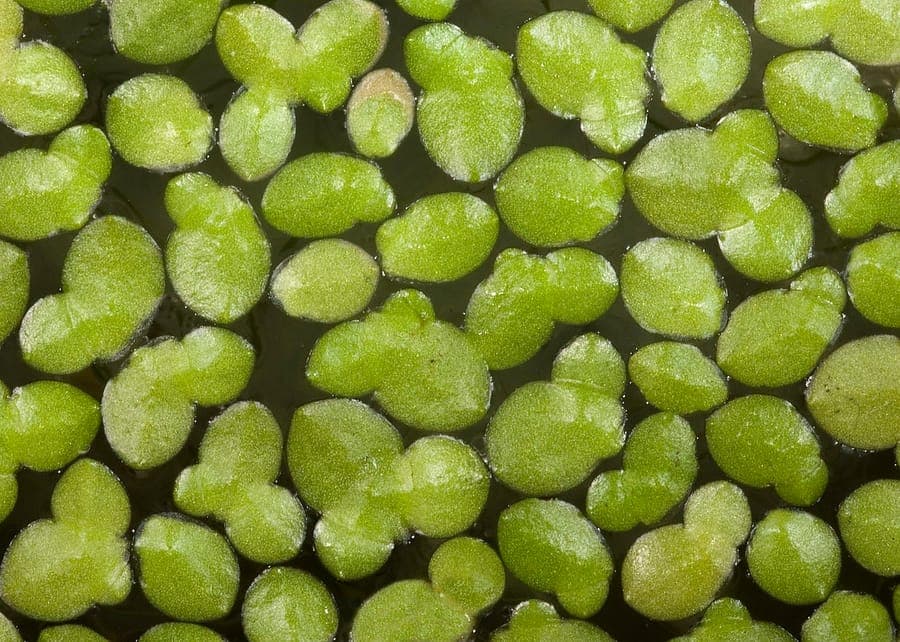
Kevin Thiele from Perth, Australia / CC BY 2.0, via Wikimedia Commons
Duckweed (Lemna aequinoctialis): complete growing guide
Lemna aequinoctialis
Want to see Duckweed (Lemna aequinoctialis): complete growing guide in your garden?
1 minute, no credit card
Overview
Duckweed (Lemna aequinoctialis) are tiny floating plants from the arum family (Araceae), distributed across tropical and subtropical waters worldwide. These fascinating miniature plants have no true roots - only thin rootlets hanging down into the water.
Duckweed is increasingly popular in three communities: (1) aquarium enthusiasts seeking natural aquatic plants; (2) aquaculture operators for fish feed; (3) water purification specialists investigating bio-remediation.
The scientific interest is enormous: duckweed grows faster than most plants and can uptake nutrients from polluted water - a natural purification system.
Appearance and Bloom
Duckweed are extremely small: round fronds only 3-8 mm diameter. Each "plant" consists of a single leaf rosette with 1-3 leaves, plus thin rootlets. Color is bright green to yellowish-green.
In aquarium conditions, they quickly form dense mats as hundreds of individuals cluster together. The plant grows right at the water surface.
Bloom: Duckweed can produce flowers, but this is rare in culture. In nature, they produce tiny flowers and seed capsules.
Ideal Location
Duckweed requires full to part-shade sunlight: 4-8 hours daily is ideal. They can grow under artificial light (important advantage for aquariums).
The plant suits:
- Aquariums (widely used as natural filtration plant)
- Water features and decorative ponds (natural beauty, water purification)
- Hydroponic systems for experimentation
- Growth chambers/laboratory conditions
They grow rapidly and can multiply explosively - regular harvesting is necessary.
Water Conditions
Duckweed are highly adaptable and grow in diverse water types, but preferences exist:
Key water requirements:
- pH: 6.0-8.0 is ideal (highly tolerant).
- Water temperature: 15-30°C ideal. Above 35°C growth slows; below 10°C plants die.
- Nutrients: Thrive in moderately nutrient-rich water. Aquarium water is often sufficient. In pure water, growth is slower.
- Light: 4-8 hours daily minimum; more light = faster growth.
- Water movement: Still to gently moving water. Strong currents damage plants.
Tip: Duckweed purifies water by uptaking nutrients; algae growth is suppressed by shading.
Free design
Want to see Duckweed (Lemna aequinoctialis): complete growing guide in your garden? Make a free design now.
Care and Maintenance
Duckweed require minimal maintenance:
- Feeding: No fertilizer needed if aquarium water contains nutrients. In pure water: use liquid plant fertilizer.
- Harvesting: Regular removal (1-2x weekly) to prevent overgrowth. Plants grow quickly.
- Cleaning: Remove dead plants. Gently scrape algae growth from fronds.
- Pests: Very rare. Occasionally snails or water fleas, but harmless.
Growth Calendar
Year-round: Duckweed grows continuously in warm conditions. Decline in winter in temperate climates.
Peak growth periods: Spring (April-May) with more light and warmer water.
Decline periods: October-March in temperate climates under artificial light.
"Winter Hardiness" & Seasonal Considerations
Duckweed die in frost. In temperate climates, maintain indoors (in aquarium or container in warm room).
Overwintering:
- In aquarium: Simple; just continue growing at aquarium temperature (18-24°C).
- In outdoor pond: Bring indoors in buckets of water for winter.
- Diapause: With deprivation (cold, low light), duckweed can enter dormancy.
Ecological Benefits & Applications
Duckweed offer multiple advantages:
Water purification: Remove nitrogen and phosphorus - reduces algal blooms.
Animal feed: Fish, shrimp, chickens readily eat duckweed. High protein content.
Ecosystem services: Create habitat for microscopic animals, water purification.
Research potential: Test for pollutants, nutrient uptake capacity.
Integration in Garden Ecosystem
In decorative ponds:
- Natural beauty (bright green mat)
- Water purification (fewer algae)
- Fish habitat (shelter for young fish)
In hydroponic systems:
- Experimentation opportunities
- Food production (fish farms)
Closing Remarks
Duckweed offer gardeners a scientifically interesting and practically beneficial plant. For aquarium enthusiasts, hydroponic experimenters, or water purification interested parties, duckweed is a natural choice.
Their rapid growth, minimal requirements, and multiple applications make it a unique addition to your water gardening setup. Regular harvesting prevents overgrowth; harvested material can be used as animal feed or composted.
Plan your water feature via gardenworld.app with duckweed as a natural filter. With minimal care, duckweed brings nature and purity together. Happy growing!
For more tips on aquatic plants and aquatic ecosystems: visit gardenworld.app and explore your growing potential.
Want to see Duckweed (Lemna aequinoctialis): complete growing guide in your garden? Make a free design now.
Upload a photo, pick a style, and get a photorealistic design with plant list in under a minute.
No credit card required


Similar plants
Greater duckweed: complete guide
Spirodela polyrhiza
Discover Greater duckweed (Spirodela polyrhiza), an aquatic plant for ponds and aquariums. Learn about growth, water conditions, and ecosystem benefits.
Pacific azolla: complete guide
Azolla filiculoides
Discover how to grow and care for Azolla filiculoides, a floating fern that thrives in sunny garden ponds and improves water quality naturally.