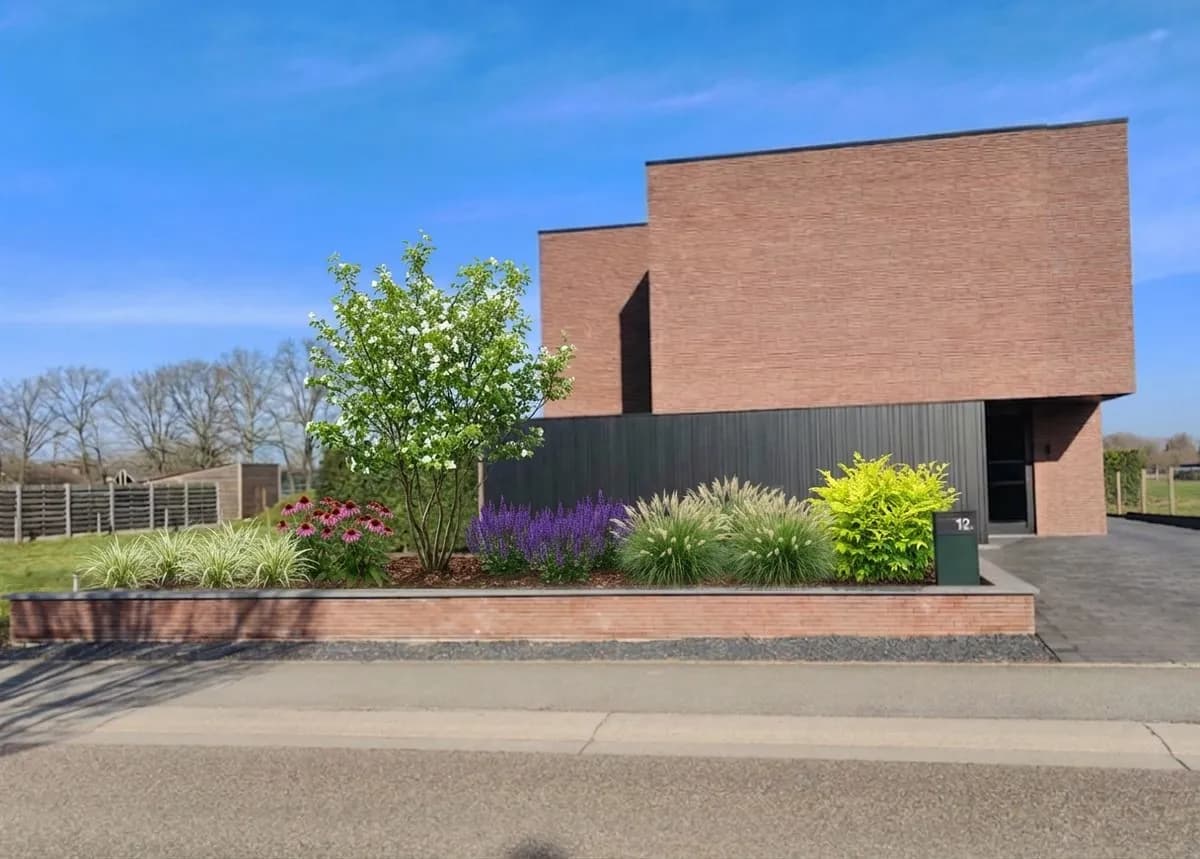
Eragrostis barrelieri: complete guide
Eragrostis barrelieri Daveau
Want to see Eragrostis barrelieri: complete guide in your garden?
Full design in HD: €7.99
Look after your Eragrostis barrelieri with the GardenWorld app
Identify plants with your camera and get a care calendar with reminders for this plant.


Overview
Eragrostis barrelieri, the Pitted Love Grass or Mediterranean Love Grass, is an elegantly-growing, low-to-medium grass from Mediterranean and semi-arid regions around the Mediterranean. This drought-tolerant grass grows to approximately 20 to 40 cm high and forms non-invasive, compact tufts. Fine, ethereal flower plumes appear in summer and fall. This is an ideal grass for contemporary, low-maintenance gardens.
Appearance and Bloom
The plant forms compact tufts of very fine, linear leaves with a slightly grayish color. The stems are extremely elegant and fine. The flowers appear as very delicate, open-spread, light-silver plumes from June to October. This grass is a master at creating light and movement in the garden.
Ideal Location
Full sun is essential - at least 6 to 8 hours of uninterrupted direct sunlight daily. This grass is ideal for south and west-facing garden positions. Avoid shaded spots. In Mediterranean and steppe-like environments it is optimal.
Soil Quality
Well-draining soils are essential. This grass accepts poor soils and can even grow on sand and gravel. A very acidic to very alkaline pH is acceptable. Add some gravel for excellent drainage. Heavy, water-retaining soils are unacceptable.
Watering
Once established, this grass is very drought-tolerant. In initial years, water carefully until the deep root system fully develops. Afterward, supplemental watering is rarely needed. During very dry summers, sporadic watering can be useful.
Free preview
Want to see Eragrostis barrelieri: complete guide in your garden? Make a free preview of your design.
Pruning
Remove dead, browned stems in early spring (March-April). This grass is not a strong grower and requires no form maintenance. Leave the flower plumes for winter interest.
Maintenance Calendar
Spring (March-May): Remove last year's dead material. Growth will begin. No fertilization needed.
Summer (June-August): Flower plumes appear. Minimal watering unless extreme drought. Enjoy the ethereal beauty.
Autumn (September-October): Flowers reach peak beauty. Minimal intervention.
Winter (November-February): Plant is dormant. Dead flower plumes offer interesting winter interest. Pruning may occur in early spring.
Winter Hardiness
Hardy to approximately -10 to -15 degrees Celsius, depending on drainage and preparation. In very cold climates, protection against winter rain may be beneficial. Well-draining soil is essential for winter hardiness.
Companion Plants
Grows well alongside other Mediterranean drought-garden plants such as Lavandula, Salvia, Helianthemum, and Artemisia. It forms a graceful contrast grass in drought-planting environments. Avoid moisture-loving companions.
Conclusion
Eragrostis barrelieri is an elegant, easy-to-grow ornamental grass for those with dry gardens. The delicate flower plumes and silvery glimmer give a very ornamental impression of light and movement. With minimal maintenance, this grass can provide years of visual interest. This deserves far more attention among contemporary garden designers.
Available in English garden centers: Online suppliers of drought-garden plants stock this species.
Frequently asked questions about Eragrostis barrelieri
Is Eragrostis barrelieri winter hardy?
Hardy to approximately -10 to -15 degrees Celsius, depending on drainage and preparation. In very cold climates, protection against winter rain may be beneficial.
When and how do you prune Eragrostis barrelieri?
Remove dead, browned stems in early spring (March-April). This grass is not a strong grower and requires no form maintenance.
How much water does Eragrostis barrelieri need?
Once established, this grass is very drought-tolerant. In initial years, water carefully until the deep root system fully develops.
Where does Eragrostis barrelieri grow best?
Full sun is essential - at least 6 to 8 hours of uninterrupted direct sunlight daily. This grass is ideal for south and west-facing garden positions.
What soil does Eragrostis barrelieri need?
Well-draining soils are essential. This grass accepts poor soils and can even grow on sand and gravel.
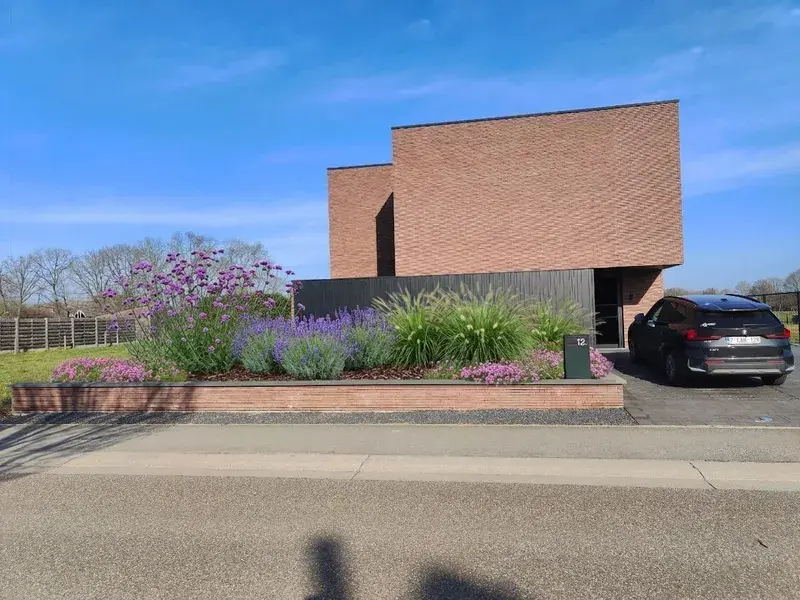
See it in your garden
See Eragrostis barrelieri in your garden
One photo of your garden and a few questions. You see the result in about a minute.
Try it with a photoIdentify this plant in your own garden. Identify a plant
Similar plants
Feather reed grass: complete guide
Calamagrostis × acutiflora
Feather reed grass (Calamagrostis × acutiflora 'Karl Foerster'): a bolt-upright, sterile ornamental grass. Position, planting, cutting back in late February and partners.
Sporobolus pungens: complete guide
Sporobolus pungens
Sporobolus pungens is a stoloniferous Mediterranean coastal grass with outstanding salt and drought tolerance, perfect for seaside and dry gardens.
Mediterranean aegilops: complete guide
Aegilops biuncialis
Everything about Aegilops biuncialis, a Mediterranean annual grass with ornamental spikes and outstanding drought tolerance for dry gardens.