Spiny oleaster
Elaeagnus pungens Thunb.
Buy Spiny oleaster
Spiny oleasterElaeagnus pungens Thunb.
Also useful: Spiny oleaster plant food, Pruning shears
As an Amazon Associate we earn from qualifying purchases. It costs you nothing extra.
Care
All about Spiny oleaster
Look after your Spiny oleaster with the GardenWorld app
Identify plants with your camera and get a care calendar with reminders for this plant.


Overview
Elaeagnus pungens, known as spiny oleaster or thorny oleaster, is a robust evergreen shrub originating from China, Japan, and Korea. This plant is renowned for its silvery, variegated foliage and low-maintenance character. It is a versatile ornamental plant that grows well in almost any garden, even under difficult conditions. The plant adds color throughout the year and provides small, red berries in winter.
Appearance and Bloom
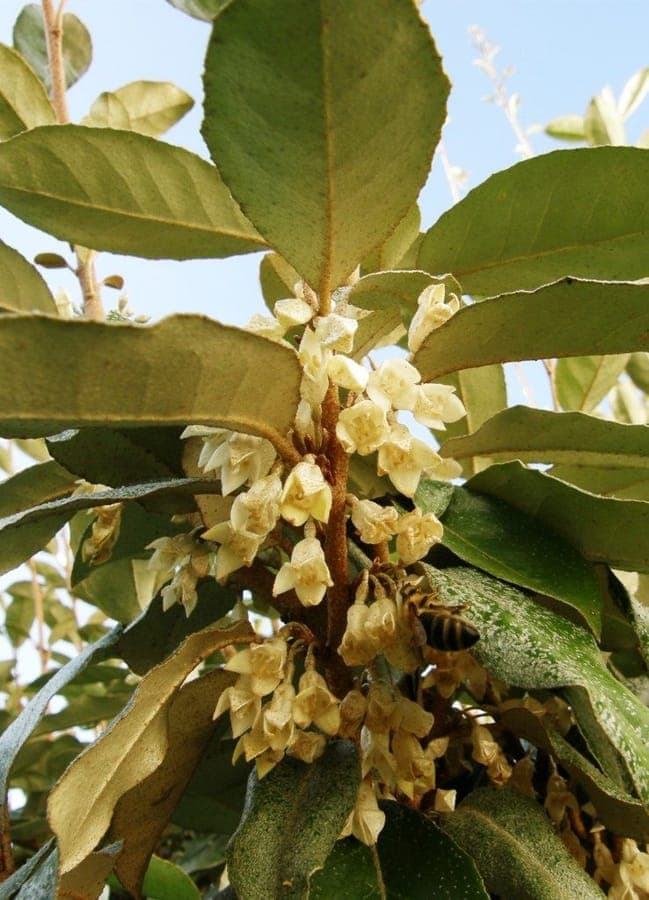
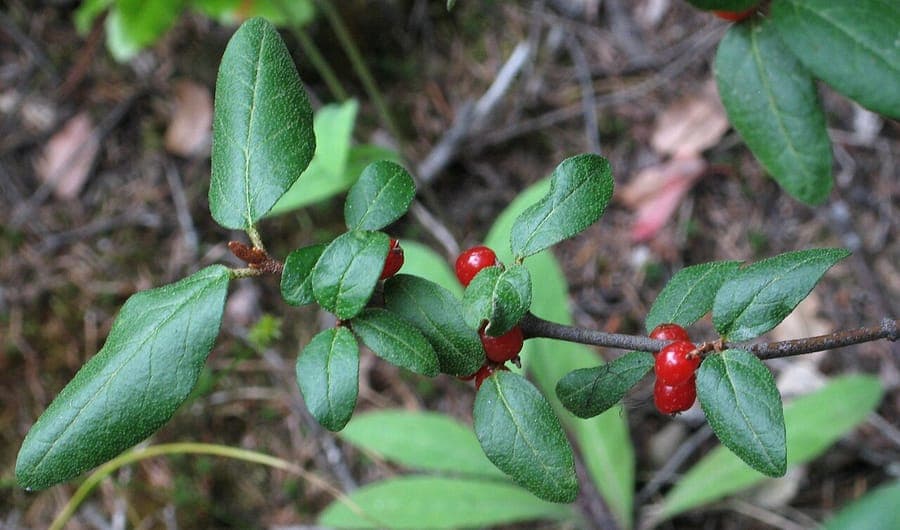
Elaeagnus pungens is a compact to large evergreen shrub, usually 2-4 meters tall, with spines along the branches. The leaves are oblong, dark green with silver-gray spots and a distinct silver sheen on the underside. The flowers are small, creamy-white, and highly fragrant, especially in autumn. The flowering period runs from October to December, making it a valuable element for winter bloomers. The small fruits are red with silvery spots and appear in spring.
Ideal Location
Elaeagnus pungens thrives well in full sun to partial shade. In warm regions, some afternoon shade can be useful. Do not plant it in dense shade, as this can limit flower and fruit production. A sheltered, dry location is preferred. The plant is highly wind-tolerant thanks to its sturdy leaves.
Soil
This plant is highly adaptable to soil types. It grows well in dry, well-draining soil, but can also tolerate moderately wet conditions. The ideal pH is between 5.5 and 7.5. The plant accepts poor soils and needs minimal nutrition. Only avoid waterlogging.
Watering
Once established, Elaeagnus pungens is extremely drought-tolerant. Water regularly in the first year after planting. After root establishment, minimal water is needed, except in extreme drought. In normal conditions, rainwater is sufficient. Avoid continuously wet soil, as this can promote fungal growth.
Pruning
Elaeagnus pungens responds well to pruning and can be cut back heavily if needed. Pruning can be done in spring to maintain shape. Remove spines that are in the way. The plant regenerates new foliage quickly after pruning. Light annual pruning helps maintain a full form.
Maintenance Calendar
Spring: Prune to shape, check for pests. Summer: Minimal maintenance, water in drought. Autumn: Enjoy fragrant flowers, no active maintenance. Winter: Plant is evergreen, observe berries.
Winter Hardiness
Elaeagnus pungens is winter-hardy in zones 7-11, can tolerate temperatures down to approximately -12 degrees Celsius. In colder areas, it may need protection. The plant is highly resistant to wind, salt, and pollution.
Companion Plants
Combine with other evergreens such as holly, privet, or boxwood. The variegated forms look stunning against dark background plantings. Underplanting with winter-blooming heather or snowdrops increases visual importance.
Closing Text
Elaeagnus pungens is a versatile, low-maintenance ornament for any garden. The combination of evergreen foliage, fragrant flowers, and attractive berry tone makes it a smart choice for sustainable landscape architecture.
Pruning
Frequently asked questions about Spiny oleaster
Is Spiny oleaster winter hardy?
Elaeagnus pungens is winter-hardy in zones 7-11, can tolerate temperatures down to approximately -12 degrees Celsius. In colder areas, it may need protection.
When and how do you prune Spiny oleaster?
Elaeagnus pungens responds well to pruning and can be cut back heavily if needed. Pruning can be done in spring to maintain shape.
How much water does Spiny oleaster need?
Once established, Elaeagnus pungens is extremely drought-tolerant. Water regularly in the first year after planting.
Where does Spiny oleaster grow best?
Elaeagnus pungens thrives well in full sun to partial shade. In warm regions, some afternoon shade can be useful.
What soil does Spiny oleaster need?
This plant is highly adaptable to soil types. It grows well in dry, well-draining soil, but can also tolerate moderately wet conditions.

See it in your garden
See Spiny oleaster in your garden
One photo of your garden and a few questions. You see the result in about a minute.
Try it with a photoIdentify this plant in your own garden. Identify a plant
Similar plants
Sources: own text.
As an Amazon Associate we earn from qualifying purchases. It costs you nothing extra.