
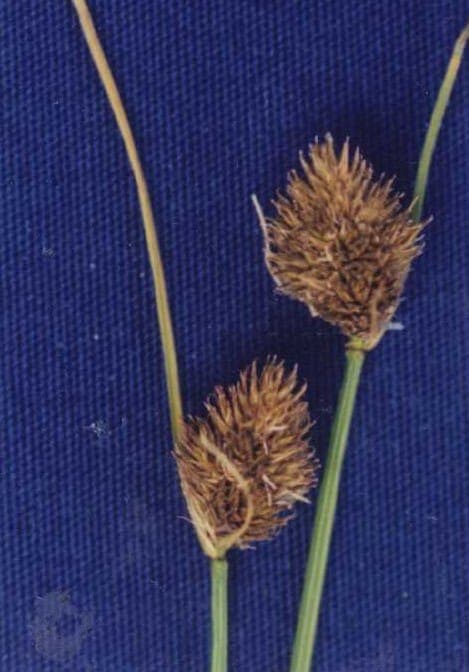
Hurd, E.G., N.L. Shaw, J. Mastrogiuseppe, L.C. Smithman, and S. Goodrich. / Public domain, via Wikimedia Commons
Slenderbeak sedge: complete guide
Carex athrostachya
Want to see Slenderbeak sedge: complete guide in your garden?
1 minute, no credit card
Overview
Carex athrostachya, commonly called the slenderbeak sedge, jointed-spike sedge or long-bracted sedge, is a fine-leaved member of the family Cyperaceae. Described by the botanist Olney in 1872, this species is native across a wide corridor from Alaska south through British Columbia, Washington, Oregon, Idaho, Montana, Wyoming, Colorado, Nevada, Utah, California and further into Baja California, Mexico. It is also found in the Great Plains states of North and South Dakota and portions of Alberta, Saskatchewan and Manitoba in Canada.
The botanical epithet 'athrostachya' is derived from Greek, where athros means crowded or clustered and stachya refers to a spike or ear of grain. This is a direct reference to the plant's compact, tightly clustered spikelets that sit close together on the stem. For gardeners who want texture and movement in shadier corners without committing to large, aggressive plants, this sedge delivers an understated but genuine charm.
If you are planning a shade border or a planting near a pond or stream, gardenworld.app can help you visualise how Carex athrostachya fits within your garden layout.
The plant grows in clumping bunches and does not spread aggressively by runners, making it a well-mannered addition to mixed borders and naturalistic plantings alike.
Appearance and bloom cycle
Carex athrostachya forms dense clumps of narrow, medium-textured leaves that typically reach 20 to 40 cm in height, occasionally taller in particularly moist and sheltered conditions. The leaves are bright green, arching gently outward, and remain attractive for most of the growing season. The foliage texture is medium, sitting between the very fine wiry sedges and the broader-bladed types.
Flowering occurs in spring and early summer, generally from April through June. The flower stems rise above the foliage and carry the characteristic tightly packed spikelets that give the plant its common name. The flowers are green and inconspicuous in the traditional sense, but they add a delicate, architectural quality to the overall plant form. After pollination, small brown seeds develop and persist into summer, providing food for small seed-eating birds.
As a clump-forming graminoid, the plant is tidy and non-invasive. Growth rate is slow, so patience is needed after planting, but once established the clumps grow steadily and can be divided every few years to produce more plants.
Ideal location
In nature, Carex athrostachya grows alongside stream banks, in moist meadows, on sheltered slopes and in the understorey of riparian woodland. These conditions point clearly to the kind of garden placement that suits it best: partial to full shade, with consistent moisture.
A north- or east-facing border, sheltered by a fence, hedge or wall, is ideal. The plant also performs well under the dappled canopy of deciduous trees, where it receives filtered light and benefits from the slightly humus-rich soil that builds up under leaf fall. Avoid fully exposed south- and west-facing positions that dry out in summer: the foliage will scorch and the plant may not survive a dry spell.
Pond margins, rain garden edges and boggy corners of the garden are also well suited to this sedge. Just ensure the roots are not sitting in permanently stagnant, waterlogged soil, which can lead to root rot.
For design ideas and to see how this sedge can complement your overall garden scheme, visit gardenworld.app.
Soil
This sedge thrives in humus-rich, moisture-retentive but well-drained soil. The pH tolerance range runs from 5.8 to 7.2, covering lightly acid through neutral conditions. Heavy clay soils work well if amended with organic matter; sandy soils need generous quantities of compost worked in to improve their water-holding capacity.
When planting, dig the hole generously and incorporate a layer of well-rotted garden compost or leaf mould. This improves both drainage (preventing waterlogging) and moisture retention (preventing drought stress). A mulch of wood chips or shredded leaves applied after planting conserves moisture and suppresses competing weeds.
Avoid thin, chalk-based or extremely alkaline soils, as these fall outside the plant's preferred pH range. Fertiliser needs are modest: a balanced slow-release granular feed in early spring is sufficient for the season.
Free design
Want to see Slenderbeak sedge: complete guide in your garden? Make a free design now.
Watering
Water is the most critical factor in establishing Carex athrostachya. In the first growing season after planting, water regularly and deeply to encourage the root system to spread into the surrounding soil. Check the top 5 cm of soil and water whenever it feels dry to the touch, typically once or twice a week during dry spells.
Once well established - after one to two full seasons - the plant becomes considerably more drought tolerant, but it still performs best when the soil does not dry out completely. In hot, dry summers, a weekly deep watering session will keep the foliage green and healthy. Plants placed at the edge of a pond or in naturally moist areas generally need no supplemental irrigation.
During winter, avoid situations where water pools around the crown of the plant, as prolonged saturation combined with cold can cause root and crown rot. Good soil structure and the use of organic mulch help regulate winter moisture levels.
Pruning
Carex athrostachya requires minimal pruning. The main task is the annual late-winter cut-back, which removes the previous year's faded and browning foliage to make way for the fresh spring growth. In February or March, cut the entire clump back to approximately 5 to 10 cm above ground level using sharp secateurs or shears.
Avoid cutting back too early in autumn or early winter: the old foliage provides valuable insulation for the crown and root zone during cold weather. In mild winters, you may find the leaves remain largely green all season, in which case only the tips need tidying rather than a full cut-back.
Every three to five years, consider dividing overgrown clumps. Do this in early spring just as new growth begins, or in early autumn while the soil is still warm. Dig out the whole clump, split it into sections of a reasonable size, and replant immediately at the same depth.
Maintenance calendar
- January - February: Leave undisturbed; add a frost-protective mulch only in severe cold spells.
- March: Cut old foliage back to 5-10 cm. Loosen the soil surface and apply compost.
- April: New growth begins. Apply a balanced fertiliser. Lay or refresh mulch.
- April - June: Flowering period. Leave flower stems standing for visual interest and seed set.
- June - August: Water regularly in dry weather. Keep area around clumps weeded.
- September: Divide and transplant if needed. Apply compost around the base.
- October - November: Plant enters dormancy. Stop feeding; do not cut back yet.
- December: Full dormancy. No action required unless extreme frost is forecast.
Winter hardiness
Carex athrostachya is hardy in USDA zones 5 through 9, tolerating minimum temperatures of approximately -20 degrees Celsius when the root zone is protected from wind-driven freeze. In most temperate European climates, including the Netherlands and Belgium, no winter protection is needed for established plants.
In exceptionally cold winters, or for plants in exposed, wind-swept positions, a loose layer of straw or bark mulch around the base of the clumps offers helpful insulation. Remove this cover in March once night temperatures consistently remain above zero. The leaf tips may brown slightly in hard winters, but the plant recovers quickly with the return of warmth.
Young, newly planted specimens in their first winter benefit from a little extra protection, especially if planted late in the season. A layer of leaf compost or straw around the base is sufficient.
Companion plants
Carex athrostachya combines naturally with other moisture-tolerant, shade-adapted plants. Consider the following partners:
- Astilbe: The feathery plumes of astilbe contrast beautifully with the fine, arching sedge leaves.
- Hosta: Broad, sculptural hosta leaves provide a strong visual counterpoint to the narrow sedge foliage.
- Filipendula (meadowsweet): Shares the preference for moist soil and adds tall, frothy flowers in summer.
- Lysimachia nummularia (creeping jenny): A low-growing cover plant that fills gaps between sedge clumps.
- Ferns such as Dryopteris or Athyrium: Add structural depth and complement the sedge beautifully in shade borders.
- Iris sibirica: Thrives in similar conditions and offers a bold, colourful contrast during its flowering period.
Avoid pairing this sedge with drought-loving Mediterranean plants such as lavender, rosemary or sedum, as their water needs are incompatible.
Closing
Carex athrostachya is a rewarding plant for gardeners who embrace naturalistic, low-intervention planting. Its fine texture, tidy clumping habit and tolerance of shade and moisture make it a versatile building block for borders, pond edges and woodland-style plantings. Though not a bold statement plant on its own, it works beautifully as a foil for larger perennials and as a unifying thread through a mixed planting scheme.
With the right soil preparation, a suitable location and minimal care, this sedge will reward you with years of reliable, attractive growth. Visit gardenworld.app for more planting inspiration and to explore how native and near-native sedge species can contribute to a beautiful, ecologically thoughtful garden.
Want to see Slenderbeak sedge: complete guide in your garden? Make a free design now.
Upload a photo, pick a style, and get a photorealistic design with plant list in under a minute.
10,000+ gardens designed already
No credit card required


Similar plants
Douglas' sedge: complete guide
Carex douglasii
Full guide to Carex douglasii: drought tolerance, ideal location, soil, pruning and companion plants for naturalistic gardens.
Henderson's sedge: complete guide
Carex hendersonii
Full guide to Carex hendersonii: shade tolerance, moisture needs, soil, pruning and companion plants for woodland gardens.