
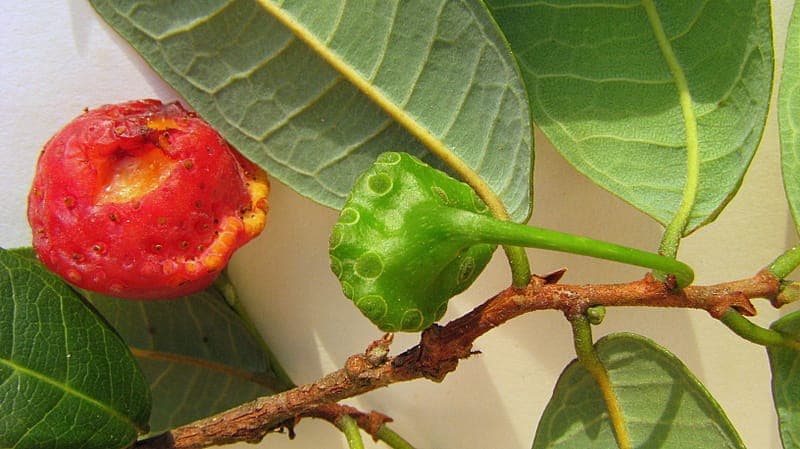
Alex Popovkin, Bahia, Brazil from Brazil / CC BY 2.0, via Wikimedia Commons
Brosimum guianense: complete guide
Brosimum guianense
Want to see Brosimum guianense: complete guide in your garden?
1 minute, no credit card
Overview
Brosimum guianense, commonly called Guiana snakewood or amourette, is a fascinating tree from the Moraceae family. This tree originates from Central and South America, with distribution ranging from Mexico through Peru and Brazil. Its timber is renowned for durability and unique structure, making it valuable for fine woodworking.
This is not merely a tree of practical significance but also an exceptional plant for warm-climate gardens with interesting botanical features.
Appearance and bloom
Brosimum guianense develops into a large tree with a dense, spreading crown. Leaves are firm, evergreen, simple and elongated-ovate with glossy surface. Leaf veins are clearly visible and foliage can reach 15 cm length.
Flowers are small and inconspicuous, but resulting fruits prove interesting. They range from yellow-orange to red, approximately bean-sized, and contain a single seed. These fruits are edible and attract birds.
The wood displays distinctive reddish-brown coloring with dark stripe patterns, making it highly attractive.
Ideal location
Select a fully sunny location, though young trees appreciate some shelter. The tree grows very rapidly in warm, airy conditions. Ensure ample space as this tree becomes substantial.
In temperate climates, cultivation in heated greenhouses with good light access works well.
Soil
The tree thrives best in nutrient-rich, well-draining soils. Add mature compost, peat and sand to heavy clay soils. A pH of 5.5 to 7.5 proves optimal.
Regular feeding during the growing season promotes healthy growth and attractive foliage.
Free design
Want to see Brosimum guianense: complete guide in your garden? Make a free design now.
Watering
Water regularly during the growing season. Soil should be moist but not waterlogged. During warm periods, daily watering may be needed.
Adjust moisture management in winter to lower temperatures. Prevent water pooling around roots.
Pruning
Minimal pruning is required. Remove damaged branches and thin where needed for shape. Young plants can be lightly shaped for vigor.
Maintenance calendar
Spring: Light pruning for form. Regular watering.
Summer: Intense watering in warm periods. Regular feeding.
Autumn: Adjust moisture management. Prepare for dormancy.
Winter: Minimal watering. Frost protection in temperate zones.
Winter hardiness
This tree lacks hardiness for temperate climates. Temperatures below 10 degrees Celsius prove harmful. In cold regions, container cultivation is necessary.
Overwinter in a warm greenhouse environment maintaining minimum 15 degrees Celsius.
Companion plants
Excellent plant partners include other tropical species. Begonias, ficus and other warm-climate plants harmonize well. Grass-like groundcovers can grow beneath.
Closing thoughts
Brosimum guianense represents an excellent choice for enthusiastic plant gardeners in warm climates. The combination of hardiness, interesting foliage and fruit production makes it a valuable addition.
Design your tropical garden on gardenworld.app and discover how this tree fits into your landscape. Consult specialized tree nurseries for plant material.
Want to see Brosimum guianense: complete guide in your garden? Make a free design now.
Upload a photo, pick a style, and get a photorealistic design with plant list in under a minute.
No credit card required


Similar plants
Morus macroura: complete guide
Morus macroura
Himalayan mulberry with long fruits. Fast-growing, edible berries, winter hardy. Suitable for large gardens and landscapes.
Maclura tinctoria: complete guide
Maclura tinctoria
Learn how to grow Maclura tinctoria or Cubanwood. This beautiful tree offers shade, food and dye possibilities in your garden.
Morus celtidifolia: complete guide
Morus celtidifolia
Discover Texas mulberry, a fruit-bearing tree from Central America with distinctive foliage and sweet berries. Learn care requirements, growing tips, and ideal conditions for this warm-climate species.