
Wikimedia Commons / CC BY-SA 3.0, via Wikimedia Commons
Asphodeline lutea: complete guide
Asphodeline lutea
Want to see Asphodeline lutea: complete guide in your garden?
1 minute, no credit card
Overview
Asphodeline lutea, commonly known as yellow asphodel or King's-spear, is a magnificent perennial from the Mediterranean region and the Caucasus. This stunning plant is prized for its bright yellow flowers arranged in dense, architectural spikes along tall stems. Growing to approximately 60-90 cm in height, it creates an elegant focal point in both traditional and contemporary gardens. This is a highly valuable plant for gardeners seeking low maintenance requirements and extended flowering periods.
Yellow asphodel is invaluable for gardeners seeking to establish a Mediterranean aesthetic. The plant thrives in warm, dry conditions, making it an excellent choice for gardens throughout southern Europe and warmer regions of the north. The plant is also highly suitable for dry borders, rock gardens, and xeriscaping projects. With its robust nature and minimal care requirements, this is an ideal plant for beginning gardeners.
Appearance and Bloom
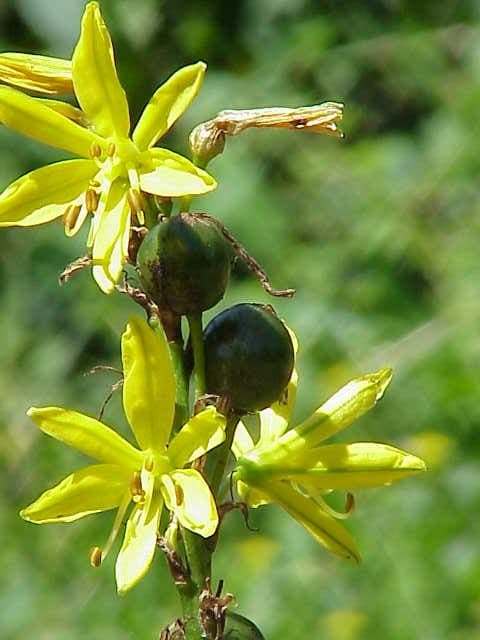
Asphodeline lutea develops as a slender perennial with fine, grass-like foliage clustered at the base in a compact rosette. The foliage is pale green and has a grass-like character that adds interesting texture. However, it's the flowers that truly captivate: bright yellow blooms are densely packed in a long, spike-like raceme that rises dramatically above the leafy base. Each flower measures approximately 1-1.5 cm in diameter and features six petals.
The main flowering period spans April to May in Mediterranean climates, though in northern regions flowering occurs slightly later in the season. Individual flowers are short-lived, yet their simultaneous opening ensures an extended, visually striking display of at least two to three weeks. Following the flowers, decorative seed capsules provide additional interest throughout the season and can be used for natural seed dispersal or collected for propagation purposes.
Ideal Location
Yellow asphodel demands a sunny position. Ensure at least 6 hours of direct sunlight daily, ideally throughout the entire day. This plant shows little tolerance for shade and performs poorly in darker locations, producing few to no flowers. Moreover, in excessive shade the plant will quickly become leggy and lose its elegant appearance.
Select a site with some wind protection, as tall flowering stems may bend in strong gusts. A position against a warm wall or near heat-radiating stones is perfect. The plant excels in Mediterranean gardens, rock gardens, and dry borders. Plant this flower in locations where you are certain it can breathe well and won't be shaded by larger trees or shrubs.
Soil
Asphodeline lutea is remarkably undemanding regarding soil. The plant tolerates poor, dry soils and thrives on loamy or sandy substrates. What it absolutely cannot endure is waterlogged soil and prolonged moisture retention in winter, which can lead to root rot. Excellent drainage is non-negotiable for the success of this plant.
Amend heavy clay soils with coarse sand or gravel to improve drainage significantly. The plant tolerates mild salt conditions, making it suitable for coastal gardens. For very poor soils, you may incorporate some compost, though this is not strictly necessary. Ensure the drainage remains excellent above all else.
Free design
Want to see Asphodeline lutea: complete guide in your garden? Make a free design now.
Watering
Once established, this plant is extremely drought-resistant and requires minimal attention. During its first growing season, water regularly until thoroughly settled, approximately six to eight weeks after planting. Thereafter, rainfall usually suffices and supplemental watering is rarely necessary.
During dry summers, you may provide occasional water, but erring on the dry side is preferable. Avoid watering the foliage in the evening, as this can encourage disease. Winter watering is rarely necessary and can even be harmful. Ensure the plant dries well between rainfall during the growing season.
Pruning
Cleanliness promotes vigor. Remove spent flowers and aging stems as they fade. This maintains plant appearance and eliminates seed production that otherwise depletes energy reserves. Delay final cutting until late season, September or October, to enjoy the decorative seed capsules and avoid prematurely exhausting the plant.
Maintenance Calendar
Spring: Inspect for winter damage. Apply slow-release fertilizer in May as growth begins. Remove dead foliage at the base. Summer: Deadhead spent flowers regularly. Water only in very dry conditions. Monitor for pest pressure. Autumn: Prepare the plant for dormancy. Cease feeding after August. Begin removing dead material. Winter: Protect against excessive moisture in freezing conditions. Avoid watering in wet winters.
Winter Hardiness
Asphodeline lutea is winter hardy to approximately -15 to -10 degrees Celsius. In warmer European regions, the plant survives unprotected. In colder areas, some winter protection is advisable, particularly against wet conditions. Apply a protective layer of fallen leaves or straw around plants in November to minimize frost damage.
Companion Plants
Yellow asphodel combines beautifully with other drought-resistant plants such as lavender, sage, and sedum. Purple or silver-foliaged companions create striking contrasts with the golden flowers. Complementary yellow combinations also work well if creating completely yellow borders appeals to you.
Closing Thoughts
Asphodeline lutea brings a slice of the Mediterranean into your garden. With minimal maintenance demands and maximum visual impact, this plant is a valuable asset. Find it at local garden centers where specialists can offer further guidance on placement and care requirements.
On gardenworld.app you'll discover more inspiration for Mediterranean gardens. Explore how to utilize this beautiful plant optimally in your landscape design, paired with other Mediterranean-climate lovers and drought-resistant species.
On gardenworld.app you can also generate your own garden proposal featuring this plant and visualize how it performs best in your specific setting. Generate different variants to see which combinations work best with your garden aesthetic.
Want to see Asphodeline lutea: complete guide in your garden? Make a free design now.
Upload a photo, pick a style, and get a photorealistic design with plant list in under a minute.
No credit card required


Similar plants
Aloe castanea: complete guide
Aloe castanea
Discover Chestnut aloe, a South African succulent. Growth, nutrition, and garden integration for warm climates and container culture.
Aloe pratensis: complete guide
Aloe pratensis
Learn how to grow Meadow aloe, a South African succulent. Nutrition, propagation, and front yard integration for warm climates or containers.
Pretoria aloe: complete guide
Aloe pretoriensis
Discover Aloe pretoriensis, an elegant South African succulent with striking red blooms. Learn care tips, ideal conditions, and companion planting for this hardy, drought-tolerant plant.