
H. Zell / CC BY-SA 3.0, via Wikimedia Commons
Aloe castanea: complete guide
Aloe castanea
Want to see Aloe castanea: complete guide in your garden?
1 minute, no credit card
Overview
Aloe castanea, known as Chestnut Aloe, Cat's-tail Aloe, or Chestnut Brown Aloe, is an attractive succulent native to Gauteng and Eswatini in South Africa. This compact aloe is characterized by its distinctly dark, chestnut-brown tints in the leaves, especially under stressful growing conditions. It is an excellent plant for dry, warm front yards or for container culture in cooler climates where managed growing conditions can be maintained.
Aloe castanea belongs to the Asphodelaceae family and shares the typical drought tolerance of aloes. This plant naturally grows in mountain areas of southeastern Africa where water is limited. For front yard designers in warm regions, or for container gardeners wanting exotic succulents, this aloe offers robust beauty with minimal care.
Appearance & Bloom
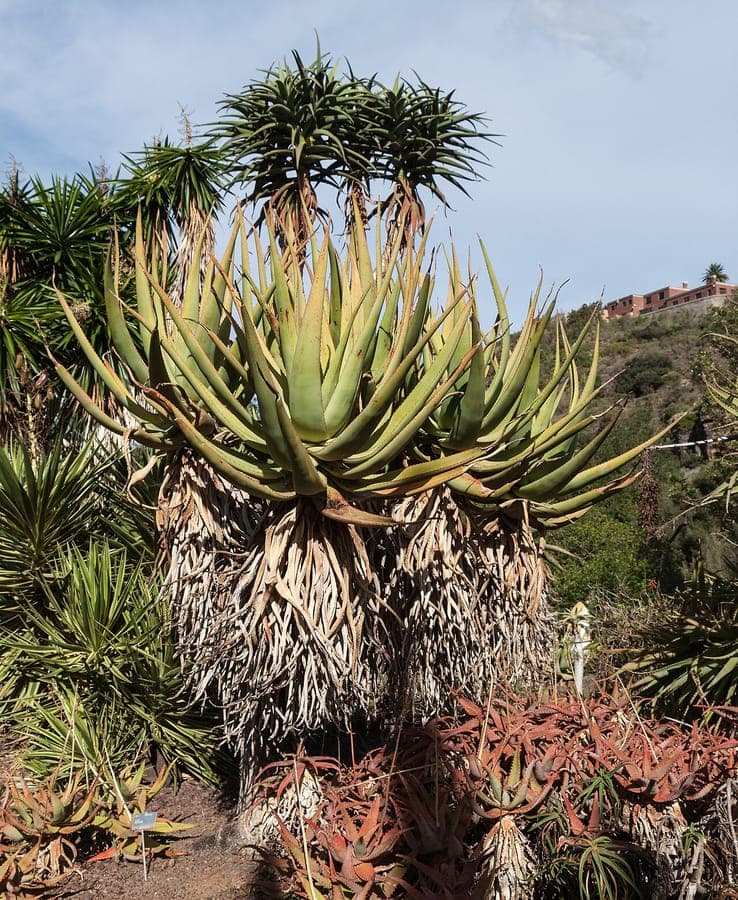
Aloe castanea forms compact rosette clusters of fleshy leaves. The leaves are green to blue-green in color, but display strong reddish-brown to chestnut-brown tinting under drought or cold conditions, especially at leaf tips and edges. This color transformation gives the plant special aesthetic appeal, particularly in winter months or under dry growing conditions.
The plant grows to approximately 30-40 centimeters in height with equal spread. The leaves are thick, spathulate, and densely stacked. This thick tissue structure allows the plant to store water for dry periods.
Blooming occurs in spring, usually March through May. The flowers are yellow to orange and grow on slender rising flower spikes. These flowers are tubular and attractive to seed-dispersers. After blooming, seed capsules form containing seed for propagation.
Ideal Location
Aloe castanea demands full sun. Ensure the plant receives at least 8-10 hours of direct sunlight daily. This will promote the best colored leaf development and most robust growth.
The plant tolerates warm conditions well and grows best in open, well-ventilated locations. This helps prevent fungi and rotting.
In warm climates (USDA zone 10-11) it can grow outdoors. In colder regions it grows well in containers that can be moved to sunny windows or greenhouse conditions in winter.
Soil
Extreme drainage is absolutely essential. This cannot be over-emphasized. Aloe castanea grows in very gritty, sandy, pumice-rich soils in its natural range. Standard potting soil is far too moisture-retentive.
Use specialized succulent or cactus soil, or make your own by mixing 60 percent standard potting soil with 40 percent coarse sand, perlite, or pumice fragments. The pH can be neutral to slightly alkaline.
In garden beds add strong drainage - at least 50 percent of the soil mix should be sand or gravel. Raised beds are ideal in moist climates.
Free design
Want to see Aloe castanea: complete guide in your garden? Make a free design now.
Watering
Once established, this plant needs very little water. During the growing season (spring through fall), water sparingly. Let the soil dry completely between waterings - wait at least 2-3 weeks.
In winter, when the plant slows growth, stop watering almost entirely. Only water in extremely dry conditions.
Overwatering is the most common cause of death in aloes. It is better to under-water than over-water. When in doubt, do not water.
Pruning
Minimal pruning is needed. Remove dead, damaged, or diseased leaves as needed. Once flower spikes fade, they can remain on the plant or be carefully removed.
The plant may develop dead leaves from the base that rot off, and these can be carefully removed for clean appearance.
Maintenance Calendar
Spring: Begin watering carefully as growth restarts. Monitor new leaf development.
Summer: Water very sparingly. Ensure full sun.
Fall: Gradually reduce watering as temperatures cool.
Winter: Minimal water. Provide shelter in very cold regions.
Frost Hardiness
Aloe castanea is frost hardy to around USDA zone 9b-10a (-3 to 0 degrees Celsius). In areas where frost occurs, the plant must be moved to greenhouse protection in winter or dug up and kept indoors.
In warm regions (zone 10-11) it can overwinter outdoors. In borderline areas, protection from hard frost and night frost provides benefits.
Companion Plants
Aloe castanea combines elegantly with other South African succulents. Echeveria, Sempervivum, Sedum and other succulents form beautiful combinations in rock gardens or container arrangements.
In warm climates, other aloes, Agave, and desert flowers work well. In containers, fine-leaved grasses or other low-texture plants can provide contrast.
Closing
Aloe castanea is a front yard jewel for those in warm climates or for container gardeners everywhere. With its characteristic chestnut-brown leaf tinting and minimal water needs, it offers appeal with far less workload. Once established, it requires only occasional water and full sun.
Plant it in extremely well-draining soils in warm regions, or grow it in containers in colder climates. This South African beauty will provide years of low-maintenance enjoyment and make a clear statement about succulent elegance in any front yard.
Want to see Aloe castanea: complete guide in your garden? Make a free design now.
Upload a photo, pick a style, and get a photorealistic design with plant list in under a minute.
10,000+ gardens designed already
No credit card required


Similar plants
Aloe pratensis: complete guide
Aloe pratensis
Learn how to grow Meadow aloe, a South African succulent. Nutrition, propagation, and front yard integration for warm climates or containers.
Pretoria aloe: complete guide
Aloe pretoriensis
Discover Aloe pretoriensis, an elegant South African succulent with striking red blooms. Learn care tips, ideal conditions, and companion planting for this hardy, drought-tolerant plant.
Purple aloe: complete guide
Aloe purpurea
Discover Purple aloe. Learn how to care for this plant in your garden.