
Morrana / CC BY-SA 4.0, via Wikimedia Commons
Maqui berry: complete guide to Aristotelia chilensis
Aristotelia chilensis
Want to see Maqui berry: complete guide to Aristotelia chilensis in your garden?
1 minute, no credit card
Overview
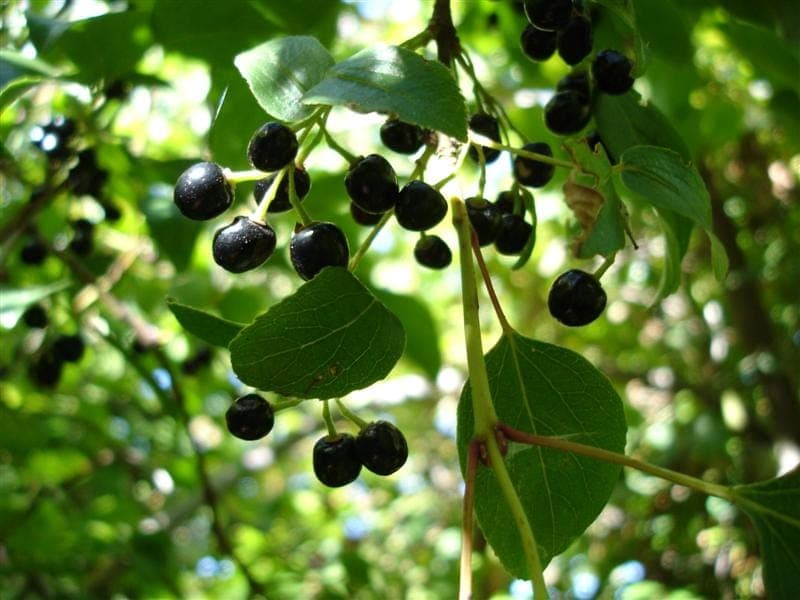
Aristotelia chilensis, commonly known as maqui berry or wineberry, is an evergreen shrub in the family Elaeocarpaceae. Native to the temperate rainforests and forest edges of central and southern Chile, and extending into adjacent parts of Argentina, this plant has been harvested and used by the indigenous Mapuche people for centuries. The small dark purple berries are eaten fresh, fermented into chicha (a traditional beverage), and increasingly valued for their exceptionally high antioxidant content - maqui has been marketed internationally as a superfruit. As a garden plant in Europe, Aristotelia chilensis remains relatively rare but is gaining popularity thanks to its handsome appearance and dual ornamental and productive qualities. On gardenworld.app, gardeners designing productive yet beautiful planting schemes will find inspiration for incorporating fruiting shrubs like maqui berry into cohesive garden designs.
Appearance and bloom cycle
Aristotelia chilensis is a vigorous, upright to broadly spreading shrub, typically reaching 2 to 4 metres in cultivation, though capable of growing to 6 to 8 metres as a small tree in its native habitat. The leaves are oval to broadly lance-shaped, 4 to 10 cm long, and notably glossy on the upper surface - an attractive feature that provides year-round ornamental value even when the plant is not in fruit. Flowering occurs in spring, generally from April to June in the northern hemisphere. The small cream-white to pale pink flowers are arranged in axillary clusters and, while individually modest, are produced in good numbers and attract pollinating insects. After pollination, round berries develop, ripening from red to deep purple-black by late summer and autumn. Fully ripe berries are approximately 4 to 6 mm in diameter and borne in generous clusters that contrast beautifully with the glossy foliage. For reliable fruit production, both male and female plants are generally needed, though some cultivars show partial self-fertility.
Ideal location
In its native range, maqui berry grows in the understory and at the margins of cool, moist temperate rainforest - a habitat that gives clear guidance on its garden preferences. The plant thrives in a position receiving sun to partial shade; full sun is acceptable provided the soil remains adequately moist, while a west- or east-facing aspect suits it well in warmer summer climates. Shelter from cold, drying easterly winds is beneficial, especially in the early years after planting. Aristotelia chilensis copes well with maritime conditions and is a good choice for coastal gardens. It works well as a specimen shrub, as informal hedging, or as background planting in a mixed productive border.
Soil
A fertile, humus-rich, moisture-retentive but well-drained soil gives the best results. Maqui berry prefers a slightly acidic to neutral pH of around 5.5 to 7.0. Heavy clay soils can be made suitable by working in generous quantities of well-rotted compost before planting. Very dry, sandy soils produce poorer growth and reduced crops. Enrich the planting site with compost before planting and apply a generous mulch layer around the base of the plant to retain moisture and insulate the root zone. In containers, use a rich potting compost blended with a small proportion of perlite to prevent waterlogging while retaining moisture.
Watering
Regular watering is important, particularly during dry periods in summer. Maqui berry is not particularly drought-tolerant: prolonged moisture stress causes leaf wilt and reduces fruit development. Young plants in their first two growing seasons should be watered weekly during dry spells. Established plants are more resilient but still benefit from thorough watering during extended dry periods. Avoid waterlogging, which can damage the roots. A mulch layer of 5 to 8 cm around the base of the plant helps maintain soil moisture and keeps the root zone cool during summer heat. Collected rainwater is preferable to hard tap water for containerised specimens over the long term.
Free design
Want to see Maqui berry: complete guide to Aristotelia chilensis in your garden? Make a free design now.
Pruning
Aristotelia chilensis needs no intensive pruning but benefits from a light annual tidy. Immediately after harvest or in early spring, remove all dead, damaged, or crossing branches. Lightly shortening over-extended shoots encourages a compact, well-branched habit and stimulates the formation of flower buds for the following season. If growing as a hedge, prune in June after flowering. Avoid heavy autumn pruning, which increases susceptibility to frost damage. Older specimens that have become overgrown can be gradually rejuvenated over two to three years by removing one third of the oldest wood each year.
Maintenance calendar
January-February: inspect for frost damage; remove any damaged wood promptly. March: apply a layer of compost around the plant; prune out any winter-damaged shoots if not done earlier. April-May: flowering begins; ensure adequate watering to support good pollination and fruit set. June: light pruning if desired after flowering; refresh the mulch layer. July-August: fruit ripening; water regularly during dry spells; harvest berries when fully deep purple. September: end of harvest; apply compost dressing. October-November: protect young plants from frost; ensure the mulch layer is in place. December: dormant inspection; check for pests or disease.
Winter hardiness
Aristotelia chilensis is moderately cold-tolerant and withstands light frost periods. It is generally considered hardy in USDA zones 8 to 10, corresponding to the milder maritime regions of western Europe. In the UK, it survives reliably in sheltered urban gardens and coastal areas in the south and west. In continental climates with hard frosts below -8 degrees Celsius, the plant may suffer significant foliage and stem damage. Young plants in particular benefit from fleece protection or a straw mulch over the root zone in winter. In areas with reliably cold winters, growing in a large container and overwintering in a frost-free greenhouse or cool conservatory is the safest approach. Established plants in mild coastal gardens are generally fully hardy without any additional protection.
Companion plants
Maqui berry combines well with other fruiting and ornamental shrubs in a productive garden setting. Other berry-bearing shrubs such as red currant (Ribes rubrum), serviceberry (Amelanchier), aronia (Aronia melanocarpa), and blueberry (Vaccinium corymbosum) make natural partners, sharing similar cultural requirements and creating a productive, visually harmonious planting. For purely decorative combinations, silver-grey foliage plants such as Artemisia contrast beautifully with the glossy dark green leaves of Aristotelia. For personalised design ideas that integrate productive and ornamental plants, gardenworld.app offers design tools that let you visualise your ideal edible garden before purchasing any plants. Local garden centres stock young plants seasonally.
Closing thoughts
Aristotelia chilensis is a genuinely rewarding garden shrub that delivers ornamental appeal throughout the year alongside a generous crop of nutritious dark purple berries in summer and autumn. It is not demanding in terms of soil or position, but needs adequate moisture and some frost protection in colder climates. In mild maritime zones and sheltered gardens it is a durable, long-lived investment for anyone seeking an unusual fruiting plant with strong aesthetic credentials. The combination of glossy evergreen foliage, delicate spring blossom, and abundant deep-coloured fruit makes this Chilean native one of the most complete garden shrubs available for temperate gardens.
Want to see Maqui berry: complete guide to Aristotelia chilensis in your garden? Make a free design now.
Upload a photo, pick a style, and get a photorealistic design with plant list in under a minute.
10,000+ gardens designed already
No credit card required


Similar plants
Camomile-leaved wormwood: complete guide
Artemisia chamaemelifolia
Everything about Artemisia chamaemelifolia, an aromatic perennial with silver finely cut foliage, ideal for dry Mediterranean-style borders.
Mediterranean aegilops: complete guide
Aegilops biuncialis
Everything about Aegilops biuncialis, a Mediterranean annual grass with ornamental spikes and outstanding drought tolerance for dry gardens.