Stan Shebs / CC BY-SA 3.0, via Wikimedia Commons
Apocynum androsaemifolium: complete guide
Apocynum androsaemifolium
Want to see Apocynum androsaemifolium: complete guide in your garden?
Full design in HD: €7.99
Look after your Apocynum androsaemifolium with the GardenWorld app
Identify plants with your camera and get a care calendar with reminders for this plant.


Overview
Apocynum androsaemifolium, commonly known as spreading dogbane or bitter-root, is a native North American perennial shrub from the Apocynaceae family. This fascinating toxic plant is recognized for its subtle pink flowers and its remarkable ability to spread via underground rhizomes. Despite its toxicity, the species has been used in traditional medicine, though modern applications remain limited due to its potency.
Appearance & Bloom
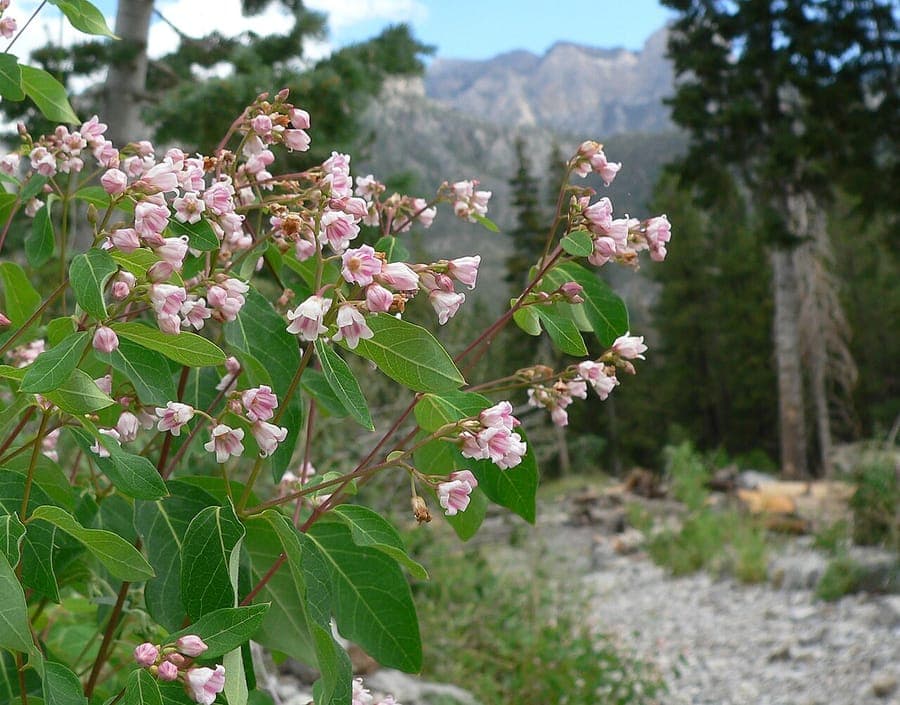
This low-growing shrub typically reaches 30 to 60 centimeters in height and spreads via underground rhizomes. The leaves are opposite and arranged, oval in shape, and approximately 5 to 8 centimeters long. During summer, from June through August, small pink to red flowers appear in loose clusters. Each flower measures roughly 6 millimeters across and possesses an elegant, delicate appearance. The fruits develop as long, thin seed pods that can reach 12 centimeters in length.
Ideal Location
Apocynum androsaemifolium thrives in full sun to partial shade conditions. In Southern Europe and warmer climates, partial shade is preferred to shield the plant from intense heat. The plant is robust and adaptable to various habitats, from dry mountain slopes to moist woodland edges. Ensure adequate air circulation to prevent fungal diseases.
Soil
This plant is not particularly demanding regarding soil composition. It grows well in well-draining soils, whether acidic or neutral in pH. The species tolerates poor soils reasonably well, making it ideal for wild gardens and disturbed areas. Ensure good drainage, as waterlogging can lead to root rot.
Watering
After establishment, Apocynum androsaemifolium is fairly drought-tolerant. Water regularly during the first growing season to develop strong roots. Once established, the plant requires minimal water, though consistent moisture promotes blooming. During extreme drought, additional water may be needed, but generally this species thrives in natural rainfall zones.
Free preview
Want to see Apocynum androsaemifolium: complete guide in your garden? Make a free preview of your design.
Pruning
Pruning is not essential for this plant, but can be useful for controlling shape or removing dead material. Best prune in spring before new growth begins. Wear gloves as the plant is toxic and can cause skin irritation.
Maintenance Calendar
Spring: Remove dead wood and cut back to desired shape. Begin feeding as soil warms. Summer: Enjoy flowering and provide adequate watering during dry periods. Fall: Collect seeds if reproduction is desired, though self-seeding already occurs. Winter: Minimal maintenance needed; the plant withdraws.
Winter Hardiness
Apocynum androsaemifolium is highly winter-hardy and suitable for USDA zones 3-9. The plant dies back to ground level in cold winters but recovers each spring. In very cold climates, mulching around the base is beneficial. The plant can withstand temperatures down to -30 degrees Celsius.
Companion Plants
This plant combines well with other northern native species such as:
- Echinacea (coneflower)
- Rudbeckia (black-eyed Susan)
- Aster species
- Liatris (blazing star)
- Achillea (yarrow)
Closing
Apocynum androsaemifolium is a strong, robust plant that is valuable for wildflower gardens and ecologically responsible landscape designs. Despite its toxicity (which actually strengthens bird seed content), it deserves recognition for its adaptability and minimal care requirements. Whether you are an experienced gardener or just beginning, this North American plant can be an interesting addition to your garden palette, provided you use it safely and carefully handle its toxic parts.
For purchase options in English-speaking regions:
- Local native plant nurseries
- Regional wildflower seed suppliers
- Specialty online plant retailers
The success of garden design with gardenworld.app begins with understanding each plant's individuality. Explore the complete guide of gardenworld.app for personalized recommendations for your garden.
Frequently asked questions about Apocynum androsaemifolium
Is Apocynum androsaemifolium winter hardy?
Apocynum androsaemifolium is highly winter-hardy and suitable for USDA zones 3-9. The plant dies back to ground level in cold winters but recovers each spring.
When and how do you prune Apocynum androsaemifolium?
Pruning is not essential for this plant, but can be useful for controlling shape or removing dead material. Best prune in spring before new growth begins.
How much water does Apocynum androsaemifolium need?
After establishment, Apocynum androsaemifolium is fairly drought-tolerant. Water regularly during the first growing season to develop strong roots.
Where does Apocynum androsaemifolium grow best?
Apocynum androsaemifolium thrives in full sun to partial shade conditions. In Southern Europe and warmer climates, partial shade is preferred to shield the plant from intense heat.
What soil does Apocynum androsaemifolium need?
This plant is not particularly demanding regarding soil composition. It grows well in well-draining soils, whether acidic or neutral in pH.

See it in your garden
See Apocynum androsaemifolium in your garden
One photo of your garden and a few questions. You see the result in about a minute.
Try it with a photoIdentify this plant in your own garden. Identify a plant
Similar plants
Arkansas bluestar: complete guide
Amsonia hubrichtii
Everything about Arkansas bluestar (Amsonia hubrichtii): position, soil, watering, cutting back and hardiness. A prairie perennial with pale blue stars and golden autumn colour.
String of hearts (Ceropegia woodii): care guide
Ceropegia woodii
How to grow string of hearts (Ceropegia woodii): light, watering, potting mix, propagating from tubers, winter care and whether it is safe for cats and dogs.
Wax plant (Hoya carnosa): complete guide
Hoya carnosa
Everything about the wax plant (Hoya carnosa): light, watering, flowering spurs, a cool winter rest, cuttings and toxicity. Not toxic to cats and dogs.
