
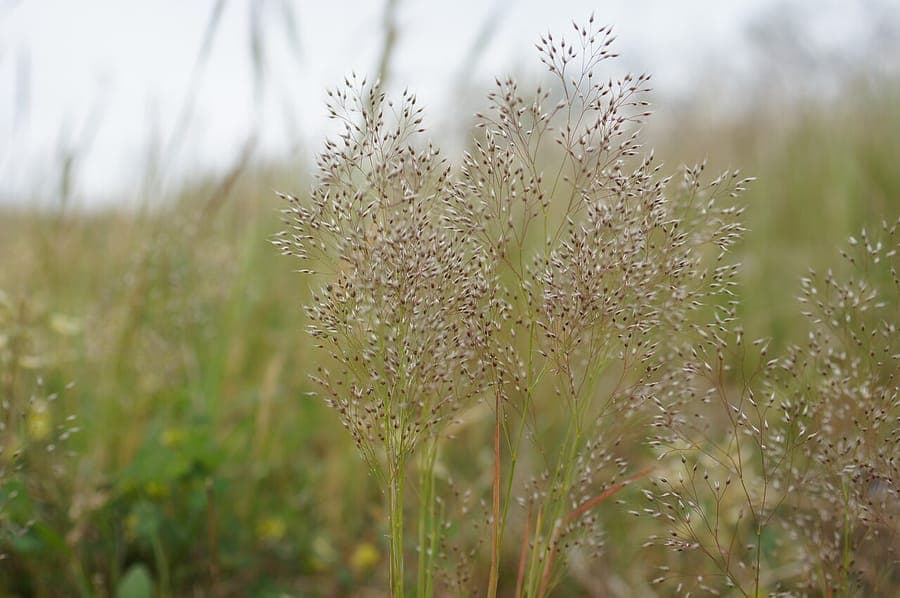
Macleay Grass Man / CC BY 2.0, via Wikimedia Commons
Silvery Hair Grass: complete guide
Aira cupaniana
Want to see Silvery Hair Grass: complete guide in your garden?
1 minute, no credit card
Overview
Aira cupaniana, commonly known as silvery hair grass or silver hairgrass, is a fine, annual member of the grass family Poaceae. It was named in honour of the Italian botanist Francesco Cupani (1657-1710), who documented the flora of Sicily in remarkable detail. The species is native to the Mediterranean basin: Spain, France, Italy, Greece, Sicily, Sardinia, the Canary Islands, and much of North Africa.
The plant has also been introduced to Australia, South Africa, and Uruguay, where it has adapted readily to dry, warm conditions. In European gardens silvery hair grass is still relatively uncommon, yet it deserves a place as an ornamental feature in rock gardens, Mediterranean plantings, and gravel surfaces. If you are looking for garden design inspiration featuring fine, airy decorative grasses, gardenworld.app offers personalised layout suggestions based on your own garden photos.
The flowering period falls in April and May - a pleasingly early season that pairs well with spring bulbs and early-flowering perennials. The small, silvery-white flower plumes give the plant a translucent, almost ethereal appearance that glows beautifully in low morning or evening sunlight. For gardeners seeking a compact, early-blooming annual grass with minimal maintenance needs, silvery hair grass is a rewarding discovery.
Appearance and bloom cycle
Silvery hair grass is a small to medium annual that typically reaches 10 to 30 cm in height, depending on growing conditions. The leaves are extremely narrow, almost thread-like, and bright green. The plant is most distinctive for the open, intricately branched flower panicles it produces in April and May.
The flower plumes are exceptionally fine and airy. The branched stems hold the tiny spikelets in an open, spreading arrangement that gives the whole plant a misty, silver-white effect. This quality is especially striking when backlit by morning sun, lending the garden a magical, cloud-like quality.
After flowering the plants set seed and die - being annual they complete their entire life cycle in one growing season. Seeds fall to the ground and germinate the following autumn or early spring, allowing the plant to renew itself year after year in suitable conditions without any intervention. This natural self-seeding makes silvery hair grass a low-effort addition to the garden once established.
The individual green flowers are small and not showy in isolation, but combined with the delicately branched stems they form a decorative whole that blends seamlessly with other fine-textured Mediterranean plants. Designers particularly value silvery hair grass for the naturalistic, weightless quality it brings to dry, warm planting schemes.
Ideal location
Aira cupaniana is naturally a plant of dry, open habitats: rocky slopes, dry grasslands, dune margins, and bare coastal ground. In the garden it needs as much sun as possible. A fully sunny position is ideal; some afternoon shade is tolerable but reduces flowering and the quality of the plumes.
The plant is well suited to heat and drought but does not tolerate prolonged wet conditions. An open, airy position also promotes air circulation and helps prevent fungal issues. In regions with cool, wet summers the plant may struggle compared to drier climates.
In a rock garden, a Mediterranean planting scheme, or a gravel garden, silvery hair grass is a perfect fit. It combines well with other low-growing Mediterranean plants such as Cistus, Lavandula, Stipa, and Thymus. Specialist grass nurseries and well-stocked garden centres carry Aira species - look for it in the spring ornamental annual grass range.
Soil
Silvery hair grass makes few demands on soil quality. It is characteristically a plant of lean, free-draining ground: sand, grit, stony rubble, or poor loam. Overly rich, humus-heavy soil produces lush but floppy growth that detracts from the ornamental effect and can compromise the fine structure of the plumes.
The plant tolerates a wide pH range, as is typical for Mediterranean grasses. Good drainage is, however, essential: Aira cupaniana does not tolerate standing water, particularly in cold months. On heavy ground, plant on a raised bank or in raised planters with free drainage. Work coarse sand or grit into heavy clay before planting.
No special soil preparation is needed: clear weeds, loosen the surface lightly, and consider adding a layer of horticultural grit or fine gravel as a surface mulch. This improves drainage and reduces weed germination. A lean, poor soil produces more compact, ornamental plants than a rich garden bed.
Free design
Want to see Silvery Hair Grass: complete guide in your garden? Make a free design now.
Watering
Once germinated and established, silvery hair grass is highly drought tolerant. In its Mediterranean homeland it survives dry summers from April to October without supplementary water. In the wetter climates of northern Europe, additional watering is usually unnecessary.
During dry spells in early spring, around the time of flowering, a modest watering can improve plant development. However, never overwater: the roots are sensitive to prolonged wet conditions and waterlogging. Always allow the soil to dry out fully between waterings.
In autumn and winter - when most plants have already died and the new generation is germinating as seedlings - rainfall is generally more than sufficient. Extra watering in winter is almost never needed and increases the risk of rotting the young seedlings.
Pruning
Because Aira cupaniana is an annual, conventional pruning does not apply. Plants flower in April and May, set seed in June, and then die. Maintenance here consists mainly of deciding whether to leave the dead plants in place or remove them.
Leave them standing until the seed is fully ripe - the plumes turn golden-brown and dry. This promotes natural self-seeding, so the species maintains itself without the need to purchase or sow fresh seed each year.
If you wish to limit where the plant self-seeds, remove the dead plants as soon as the plumes begin to dry. Compost them or dry them for use in dried arrangements - the fine plumes remain decorative long after drying and can be used in flower compositions for months.
Maintenance calendar
January - February: seedlings from the previous generation begin to grow in mild temperatures. No active maintenance required.
March: growth accelerates, small rosettes develop. Thin out if clusters are too dense to give plants room.
April - May: full bloom. Enjoy the silver-white plumes, minimal maintenance required.
June: seed ripens. Decide whether to allow self-seeding or remove plants for another use.
July - September: plants have died. Clear if desired; summer-flowering plants can fill the same spot.
October - December: new-generation seedlings germinate. Leave completely undisturbed.
Winter hardiness
Aira cupaniana is a plant of the Mediterranean and only moderately frost hardy in its vegetative form. As an annual, the plant overwinters as seed in the ground: the parent plant dies after setting seed in summer. Seeds germinate in autumn or early spring.
Young seedlings tolerate light frost but can be damaged by prolonged hard freezes. In USDA zone 8 and above (much of western Europe including the UK and Ireland), the species overwinters as seedlings without difficulty. In colder areas (USDA zone 6-7), a light mulch of pine needles or grit can help protect seedlings.
In most temperate gardens this protection is unnecessary: mild winters are the norm and the seed bank in the ground ensures sufficient renewal. After severe winters with extended frosts some thinning of the population may occur, but the plant typically returns once conditions improve and temperatures rise.
Companion plants
Silvery hair grass pairs beautifully with other Mediterranean and drought-tolerant plants:
- Stipa tenuissima (feather grass): similar fine texture, taller stems
- Lavandula angustifolia (lavender): grey-green leaves and blue flowers as contrast
- Cistus x purpureus: pink flowers, silvery foliage, same site requirements
- Thymus vulgaris (common thyme): low ground cover, same drought tolerance
- Allium sphaerocephalon (round-headed leek): wine-red flower heads rising above the plumes
On gardenworld.app you can generate a complete planting design based on your own garden photos, combining unusual Mediterranean grasses with the right companion plants for a coherent, climate-appropriate result.
In the border, silvery hair grass looks best planted in small groups of five to ten plants so that the airy plumes create a collective cloud effect. Avoid isolated single specimens - they rarely make an impact on their own and fail to show the plant at its best.
Closing
Aira cupaniana is a truly delightful fine-textured annual. The silver-white plumes in April and May are unique among decorative grasses available to European gardeners, and the minimal maintenance requirements make it an ideal choice for rock gardens, gravel plantings, and Mediterranean-style borders. Look for it at specialist nurseries or in the spring annual grass section at well-stocked garden centres. Once established in the right conditions, it sustains itself through natural self-seeding and delivers year after year of pleasure for very little effort.
Want to see Silvery Hair Grass: complete guide in your garden? Make a free design now.
Upload a photo, pick a style, and get a photorealistic design with plant list in under a minute.
10,000+ gardens designed already
No credit card required


Similar plants
Sporobolus pungens: complete guide
Sporobolus pungens
Sporobolus pungens is a stoloniferous Mediterranean coastal grass with outstanding salt and drought tolerance, perfect for seaside and dry gardens.
Mediterranean aegilops: complete guide
Aegilops biuncialis
Everything about Aegilops biuncialis, a Mediterranean annual grass with ornamental spikes and outstanding drought tolerance for dry gardens.
Silver bluestem: complete guide
Bothriochloa saccharoides
Full guide to Bothriochloa saccharoides (silver bluestem): site, soil, watering, winter hardiness, pruning, and garden companions.