

Parsley won't germinate: how to get it growing
By the GardenWorld editorial team, updated on
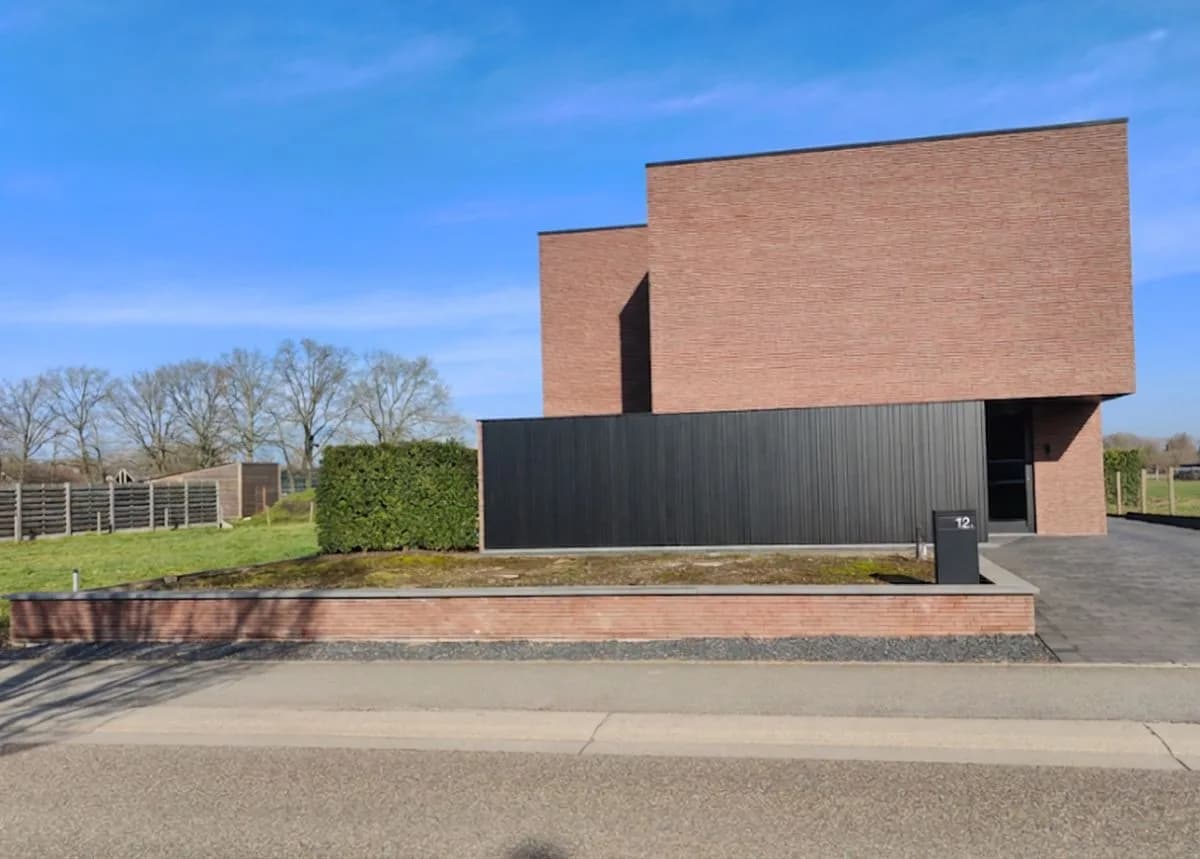
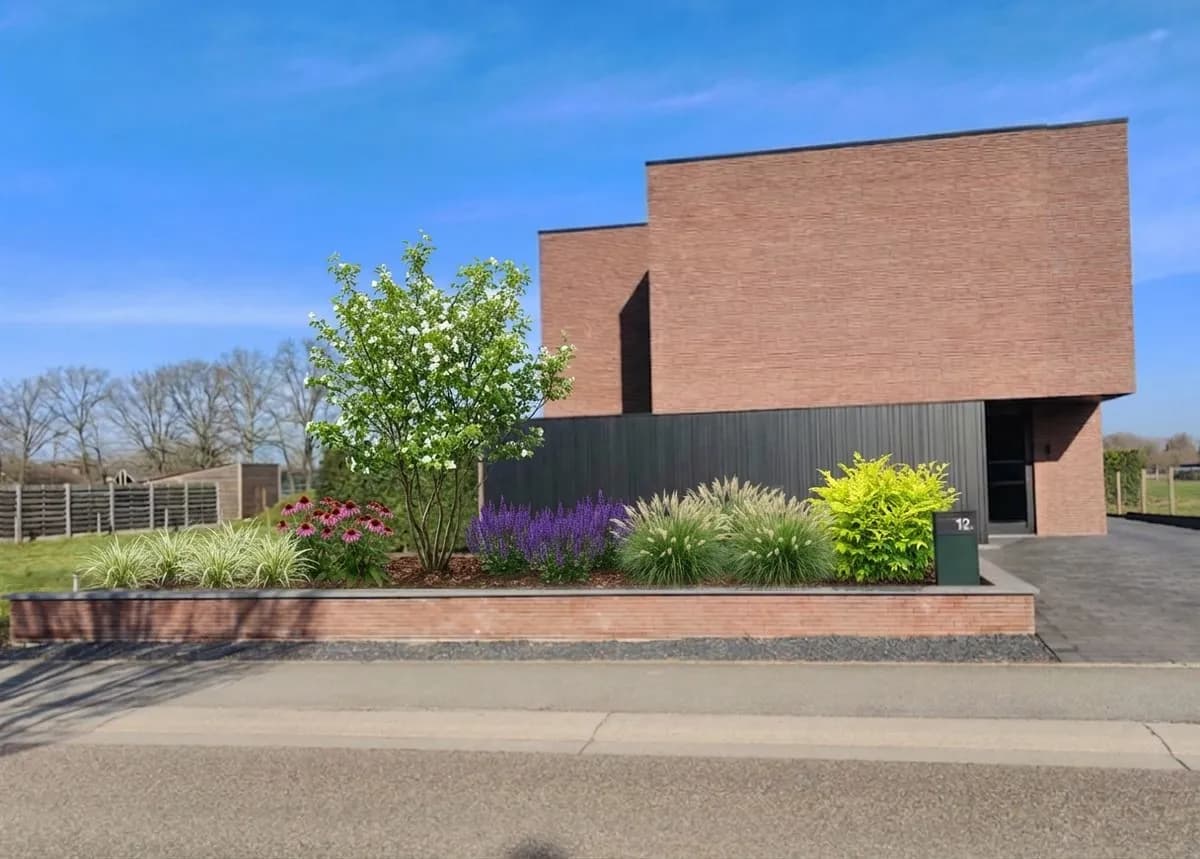
Want to see this in your garden?
Full design in HD: €7.99
Why does parsley germinate so slowly?
Parsley (Petroselinum crispum) is famous for slow germination. You sow the seed in soil, wait patiently, and nothing happens. Two weeks pass, three weeks, sometimes four or even six. Meanwhile you wonder if you forgot the seed or if it is faulty. No, this is normal. Parsley germinates inherently slowly, not because you did something wrong.
The cause is in the seed itself. Parsley seed contains natural germination inhibitors (hardness of the shell) and has a long embryo, meaning it takes significant time to get everything going. You see little movement in the first weeks. This is an evolutionary advantage: the seed waits until conditions are truly optimal.
Warmth and moisture are the secret
The two most critical factors for parsley germination are warmth and moisture. This seed rejects cold completely. A soil temperature of at least 15 degrees is the minimum, but preferably 18-20 degrees. Above 20 degrees it works better, up to about 24 degrees. Below 15 degrees the seed can take weeks or months without germinating.
Moisture is equally important. The seed wants consistently moist, but not waterlogged. A dry place means no germination; stagnant water means rot. The balance is narrow. So ensure seed compost that feels wet when you squeeze it, but does not release water. This is why seed compost (not regular garden soil) is essential. It retains moisture without becoming stiff.
Weeks: four weeks is standard
Forget the idea that parsley emerges in two weeks. Five to six weeks is completely normal. Some seed batches even take seven to eight weeks. This is not abnormal, it is parsley. Many gardeners give up after three weeks, thinking the seed is dead, while the first seedlings are just on their way.
So place your sow on a warm, moist spot and be patient. A heat mat under your seedling pots helps enormously. Set this to 18-20 degrees. A glass cover or plastic dome over your sowing keeps moisture and minimizes evaporation, meaning you need to spray less.
Pre-soaking (imbibition) speeds it up
Here is a trick few gardeners use: soak the seed in lukewarm water before you sow it. This is called pre-soaking or imbibition. Take parsley seed, place it in a bowl of warm water (about 20 degrees), and let it sit for 24 hours. This softens the shell and activates the embryo. After that you still sow it in the soil and it still takes several weeks, but you have shaved off some of that germination time.
Some gardeners do it even more drastically: they soak the seed for 48 hours or use a thermos with warm water for two hours, then drain. This also works, but 24 hours is usually sufficient and prevents damaging the seed through over-soaking.
Flat parsley versus curly parsley: germination speed differs
There are two types of parsley: flat (Petroselinum crispum var. neapolitanum) and curly (Petroselinum crispum var. crispum). Flat parsley (also called Italian parsley) usually germinates slightly faster, in 4-5 weeks. Curly parsley, with those pretty wavy leaves, can take 5-6 weeks or longer. This difference is small but noticeable.
For gardeners who are impatient: plant flat parsley. It also tastes slightly stronger and more intense. The curly type is beautiful but slower. So choose based on your patience and taste. Not sure which type suits your border? On gardenworld.app you place flat and curly parsley side by side in an example of your own garden first. Both are delicious in the kitchen.
Direct sowing outdoors: a risky option
Many gardeners sow parsley directly in the garden rather than indoors. This can work, but only under ideal conditions. You need soil temperature of at least 15 degrees (preferably 18+). Sowing in April or May (mid or later) gives the best results. Sowing in March risks cold nights weakening the sowing and causing rot.
If you sow directly: ensure your seedbed is moist (no standing water), not compacted. Make the bed moist before sowing. Sow thinly. Do not place a cover on it, but be careful not to dry it out. Regular misting is needed until seedlings appear.
Free preview
Create your own garden design
Patience: the greatest investment
This is why many gardeners buy parsley rather than grow it from seed. It takes patience, above all patience. Four to six weeks waiting while you see other seeds already sprouting green shoots tests you. But it is worth it. Self-grown parsley seed is cheap (5-10 cents per plant versus 2-3 euros per pot in the shop), and you have complete control over the harvest.
Step by step
Step 1: Prepare seed compost
Fill small pots (7-8 cm) with moist seed compost. Do not compact.
Step 2: Soak seed (optional but recommended)
Place parsley seed in lukewarm water for 24 hours. Drain, then sow.
Step 3: Sow seed
Sow thinly on surface of seed compost. Do NOT cover, or only very lightly with sand. Parsley seed germinates in light.
Step 4: Keep moist
Mist to moist. Place glass sheet or plastic dome over it. Check daily for moisture.
Step 5: Provide warmth
Place on heat mat at 18-20 degrees, or on a warm, bright windowsill (not direct sunlight).
Step 6: Wait (four to six weeks)
This is not a mistake. Check weekly. The first seedlings may appear after four weeks.
Step 7: Provide light
Once green visible, remove glass cover and place under grow light or on sunny windowsill. 12-14 hours light per day.
Frequently asked questions
My seed hasn't germinated after four weeks. Is it dead?
Probably not. Wait another two weeks. Parsley can need six weeks. Do check that the sowing is still moist. If no root hairs are appearing in the pot holes, the sowing is still alive.
Can I sow parsley seed in a seed tray?
Yes, it also works there. Ensure the tray stays consistently moist, not dripping wet. Seed trays sometimes dry too quickly, which stops germination. Check more than twice a week.
Why do my parsley seedlings die as soon as they germinate?
This is called damping off. Too much moisture, no air. Remove the cover as soon as seedlings appear. Ensure air circulation (small fan on low). It should not sit in stagnant water.
Can I overwinter parsley indoors?
Yes, but difficult. Parsley wants lots of light (12-16 hours per day). Without a grow lamp it will shrivel. Better: sow in August for autumn harvest, or buy potted plant and harvest outdoors until October.
By season: what you sow when
Spring (March-May): Sow in pots indoors early March (4-6 weeks patience), plantable mid-May. Or sow directly outdoors end of April.
Summer (June-July): Sow in full sun outdoors; germination now faster from warmth (soil 20+ degrees). Sow every two weeks for continuous harvest.
Autumn (August): Sow late August for autumn harvest until October. Parsley now grows slower (day length, temperature dropping).
Winter: Indoors under grow lamp only; or leave outdoors and sow next spring.
Herb corner pre-sowing
Parsley is slow, but other herbs are not. Basil germinates in about 5-7 days (warm, 20-24 degrees). Dill is faster, 7-10 days. Coriander takes roughly 10-14 days. So sow parsley a few weeks ahead of those faster herbs, otherwise it is still in the ground while the rest is already being harvested.
Plant parsley with other slow germinators (fennel, caraway) or plant separately in its own pot so you do not accidentally neglect it while faster-growing herbs get full attention.
See it in your own garden first
Do you doubt whether parsley fits in your garden plan or how much you want? On gardenworld.app see it first in an example of your own garden. Upload a photo of your garden, and view a free preview of a new design with parsley and other herbs. The sharp image with plant list costs 7.99 euros, one time, no subscription.
Create your own garden design
Upload a photo, pick a style, and get a photorealistic design with plant list in under a minute.
Full design in HD: €7.99
Related articles
PlantingCoriander sowing without bolting: continuous harvest
Coriander bolts fast. Learn how to keep it cool and semi-shaded, sow every three weeks, and harvest its seed.
PlantingOverwintering kitchen herbs: light is the issue
Winter herbs indoors die from darkness, not cold. Learn which herbs survive winter and how a grow light and a south window help them through.
 Seasonal Tips
Seed-sowing indoors in February: starting for a full summer
February is the perfect time to start vegetables and flowers indoors. Learn which types are ready now and how to grow them properly.