

Hydrangea with yellow leaves and green veins: iron deficiency
By the GardenWorld editorial team, updated on
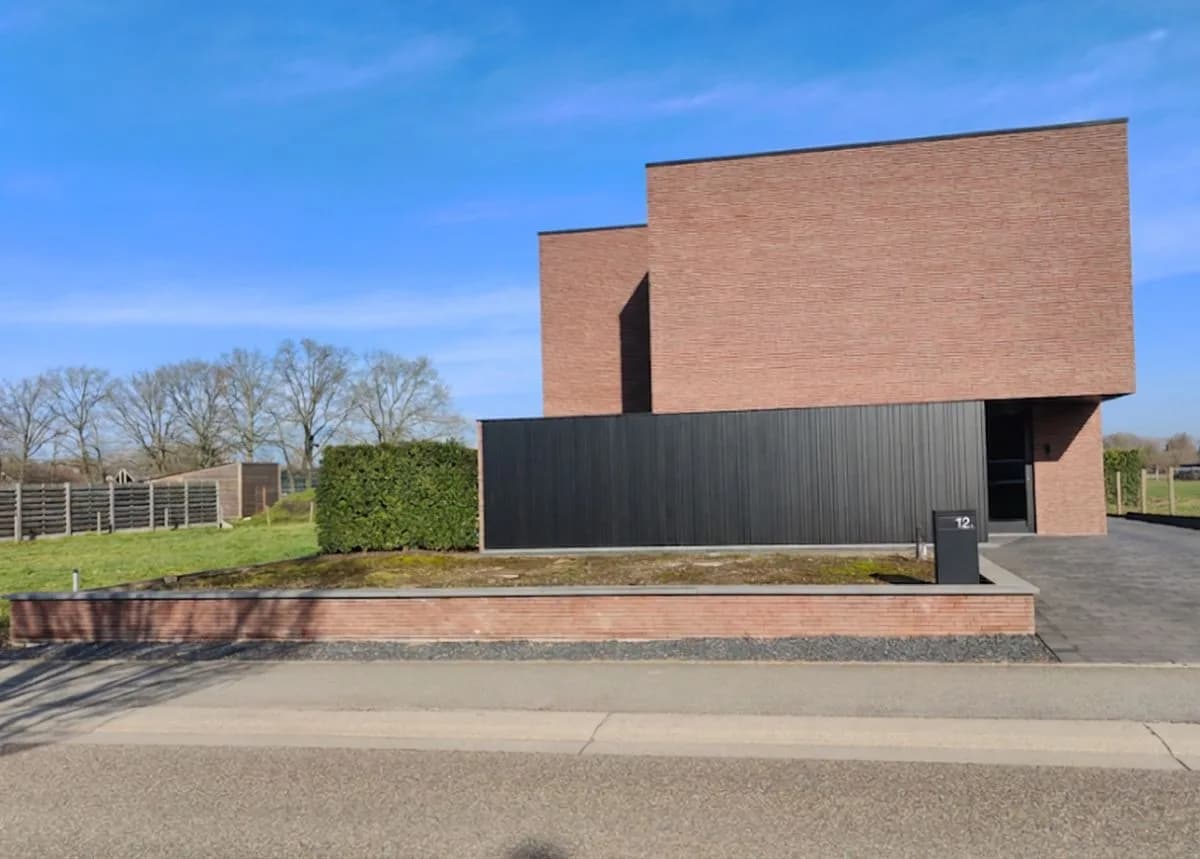
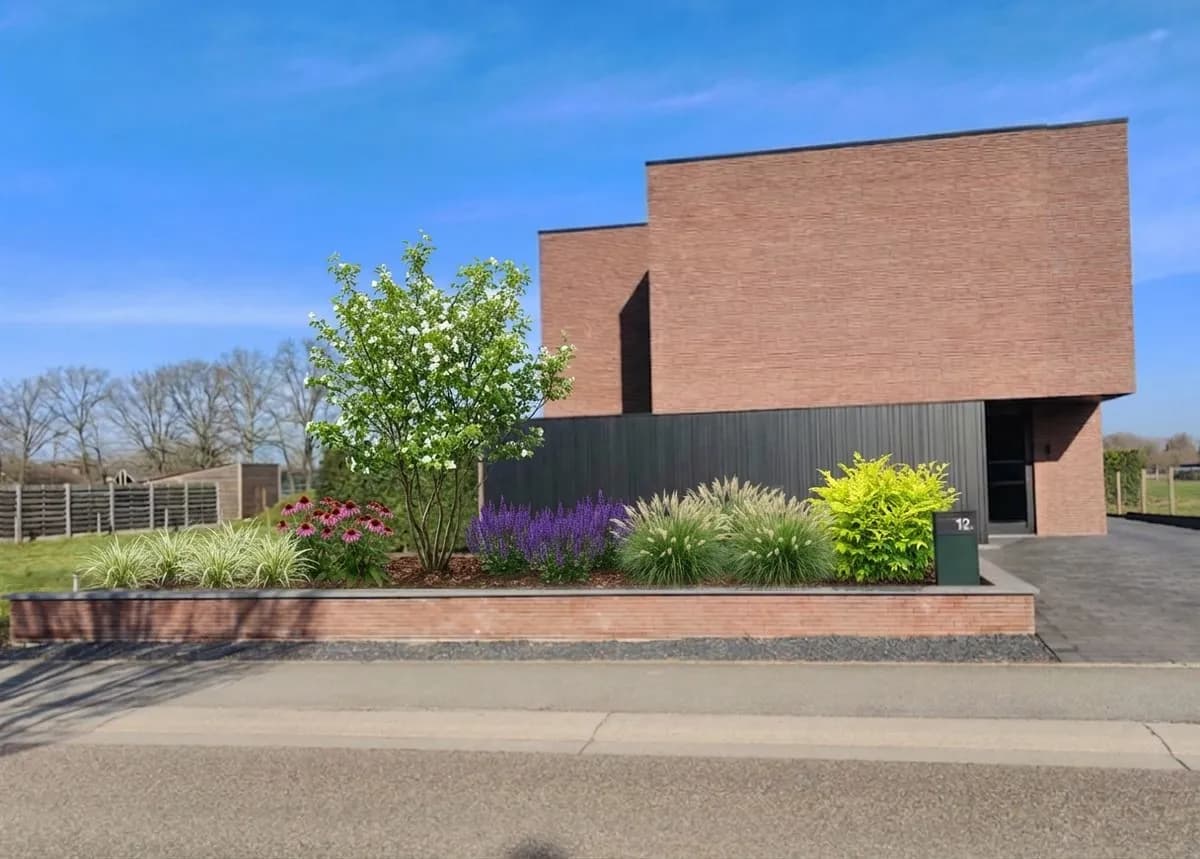
Want to see this in your garden?
Full design in HD: €7.99
Why does a hydrangea turn yellow with green veins?
Your hydrangea (Hydrangea macrophylla) looks sick: leaves turn yellow but veins stay green. This is not a disease, but iron deficiency (chlorosis). The plant cannot absorb iron from chalky soil. This is the most common nutrient problem with hydrangeas in Northern Europe, especially on clay soil and where lime-based fertiliser has been heavily applied.
The cause is not in the water or the air, but in the soil pH. Hydrangeas prefer acidic soil, with a pH between 5 and 6. Above pH 7, so neutral to alkaline soil, the roots shut off iron uptake, even though iron is present in the soil. Your plant literally starves, despite nutrient-rich soil. Good news: this is completely fixable, and next season your hydrangeas will bloom abundantly again.
Recognising chlorosis: yellow leaf, green vein
The pattern is distinctive. New leaves become yellow first while veins stay green, a pattern gardeners call interveinal chlorosis. In severe cases the entire leaf becomes almost white, with only the thickest veins remaining dark green. Leaves can also fall early.
This differs from other problems. With drought, many leaves turn yellow at once and fall. With nitrogen deficiency, the oldest leaf yellows first. With iron deficiency you see exactly which vein pattern stays green. This is iron, nothing else.
The real culprit: chalky, alkaline soil
Hydrangeas grow better on acidic soil. For hydrangeas with white or green flowers, aim for a pH between 6.0 and 6.5, so slightly acidic. For blue hydrangeas, aim for a pH between 5.0 and 5.5, even more acidic, because aluminium has to stay available. Above pH 7, chlorosis almost always occurs.
Much garden soil in the Netherlands and Belgium is naturally neutral to alkaline. Clay is often chalky. Black earth and garden compost can also contain much lime. Previous owners who gave 'flower fertiliser' or 'compost with lime' every spring have made the problem worse. Lime raises pH permanently.
Test your soil. Buy a simple pH test kit (two euros at garden centres) or send soil to a laboratory. If pH is above 6.5, iron deficiency is likely. Above pH 7, certain. Wondering whether that plant suits that exact spot? On gardenworld.app you see it first in a preview of your own garden.
Step 1: Use rainwater instead of tap water
This is free and immediate. Tap water in many areas in the Netherlands and Belgium contains lime (calcium carbonate) that raises pH. Rainwater is pH-neutral (around 6.0) and contains no lime. Hydrangeas grow much better on it.
Collect rainwater in barrels (see our article on rainwater collection). Water your hydrangea in pot or ground with rainwater only, and chlorosis disappears within weeks. This is the first thing you do.
Step 2: Give iron chelate, the fastest emergency remedy
This is the quickest emergency remedy. Iron chelate is iron in a form plants can absorb, even in alkaline soil. Garden centres sell it under the general name iron fertiliser or chelated iron, as powder or granules.
Dose per packet (usually 10 to 20 grams per 10 litres water). Water this round the plant in July, and within 3 to 4 weeks watch new leaves turn green. Repeat every four weeks until September. This saves your bloom this season.
Iron chelate does not work permanently. It helps this season, but next summer chlorosis returns if the soil does not become permanently more acidic. So it is an emergency treatment, not a lasting solution.
Step 3: Make soil more acidic with peat and leaf mould
This is the lasting solution. Acidify soil by incorporating acidic materials. Peat (not to be confused with potting soil): spread 5 to 10 centimetres peat around the hydrangea and work it into the top 15 centimetres. Peat lowers pH over months. Leaf mould (fermented leaves) does the same, slower but effective. Both organic and inexpensive from tree nurseries.
Do this in October to November (autumn) or March (spring). Repeat yearly until pH is stable at 6.0 to 6.5 (test after 1 to 2 years). This takes time, but it works.
Avoid potting soil with lime. Use acid potting soil (peat or coco-based) if your hydrangeas grow in pots.
Free preview
Create your own garden design
Step 4: Improve oxygen and drainage
Chlorosis gets worse in wet, compacted soil, because poor drainage keeps iron locked in a form roots cannot absorb. Make sure water never stands around the roots.
Improve drainage by working in sand and peat. Never plant in a hole that fills with water. Make sure rainwater drains away properly. A well-aerated soil makes iron more available to the roots.
Step 5: Blue hydrangeas and aluminium
For blue hydrangeas, aluminium is essential. Aluminium creates the blue colour and has the same requirement as iron: acidic soil (pH below 5.5). In alkaline soil, blue hydrangeas turn pink or purple.
Give blue hydrangeas aluminium sulphate (also in shops) around July. This lowers pH and supplies aluminium. Follow the label. Without this, and without acidic soil, blue hydrangeas stay pink.
Do not do this: acidify artificially with vinegar or sulphuric acid
Some gardeners want to acidify soil with household vinegar or sulphuric acid. This does not work well. Vinegar evaporates quickly. Sulphuric acid is dangerous. Peat and leaf mould are safer and more effective.
Step by step
Step 1: Diagnose the problem
Test the soil pH with a kit or a laboratory. Check whether your tap water is hard, so chalky. If the pH is above 6.5, iron deficiency is likely.
Step 2: Switch to rainwater immediately
Collect rainwater in a barrel. From now on, water only with rainwater, not tap water. This is the first, free step.
Step 3: Apply iron chelate in week 1
Buy iron chelate at a garden centre. Mix 10 to 20 grams per 10 litres of rainwater and water it around the plant in July.
Step 4: Improve the soil between October and March
Spread 5 to 10 centimetres of peat or leaf mould around the plant and work it into the top 15 centimetres. Repeat yearly until the pH is stable.
Step 5: Replace the potting soil if needed
Replace the potting soil with an acidic mix of peat or coco. Test the pH again after two months.
Step 6: Monitor and repeat if needed
Watch the new leaves. If they turn green, it is working. If they stay yellow, repeat the iron chelate in August.
Frequently asked questions
Can I give iron by spraying the leaf?
Yes, this works faster. Mix iron chelate (one gram per litre water) and spray on leaves in July. Do it in the evening, not in full sun. Repeat weekly until new green leaf appears. This supplements soil care, does not replace it.
Is chlorosis permanently damaging?
No, only this year's harvest is smaller. Next season the plant recovers if you make soil more acidic. Chlorosis itself does not kill, but leaves fall early and you have fewer flowers. See it as a warning.
My hydrangea is in a pot and turns yellow. What now?
Check the pH of the potting soil first, since heavy potting soil often contains lime. Switch it in October for acidic potting soil, peat or coco-based. Just mix in peat if you don't want to replace everything, and give rainwater instead of tap water from now on.
How long until iron chelate helps?
Three to four weeks for visible greening of new leaf. Old yellow leaves do not turn green, but fall and are replaced.
Hydrangea varieties that tolerate chalky soil better
Some hydrangea cultivars hold out longer on less acidic soil. Not immune to chlorosis, but much rarer. Strong varieties: 'Annabelle' (white, robust), 'Blushing Bride' (pink-white), 'Limelight' (cream, strong grower). Ask your tree nursery for chlorosis-tolerant varieties when buying.
Best prevention remains: acidic soil, rainwater, yearly peat or leaf mould.
See it in your own garden first
Wondering whether hydrangeas suit your soil and how they will look when in bloom? On gardenworld.app upload a photo of your garden and instantly see a free preview with hydrangeas in bloom, in your own surroundings. You discover how large they become, which colours fit, and whether your soil pH is a problem for the plant you choose. The sharp design with complete planting plan costs 7.99 euros, once, no subscription.
Create your own garden design
Upload a photo, pick a style, and get a photorealistic design with plant list in under a minute.
Full design in HD: €7.99
Related articles
 Planting
Why does my rhododendron have yellow leaves?
Your rhododendron turns yellow between veins. This is usually iron or magnesium chlorosis from too-alkaline soil. Here is how to fix it.
 Planting
Chalky soil: which plants thrive in alkaline ground?
Your soil is alkaline and chalky. Discover which plants love it and which to avoid.
 Planting
Why are my hydrangea blooms pink instead of blue?
You wanted blue hydrangeas but got pink flowers. The key lies in soil pH. Learn how to adjust this easily.