

Boxwood blight (Cylindrocladium): recognizing and controlling
By the GardenWorld editorial team, updated on
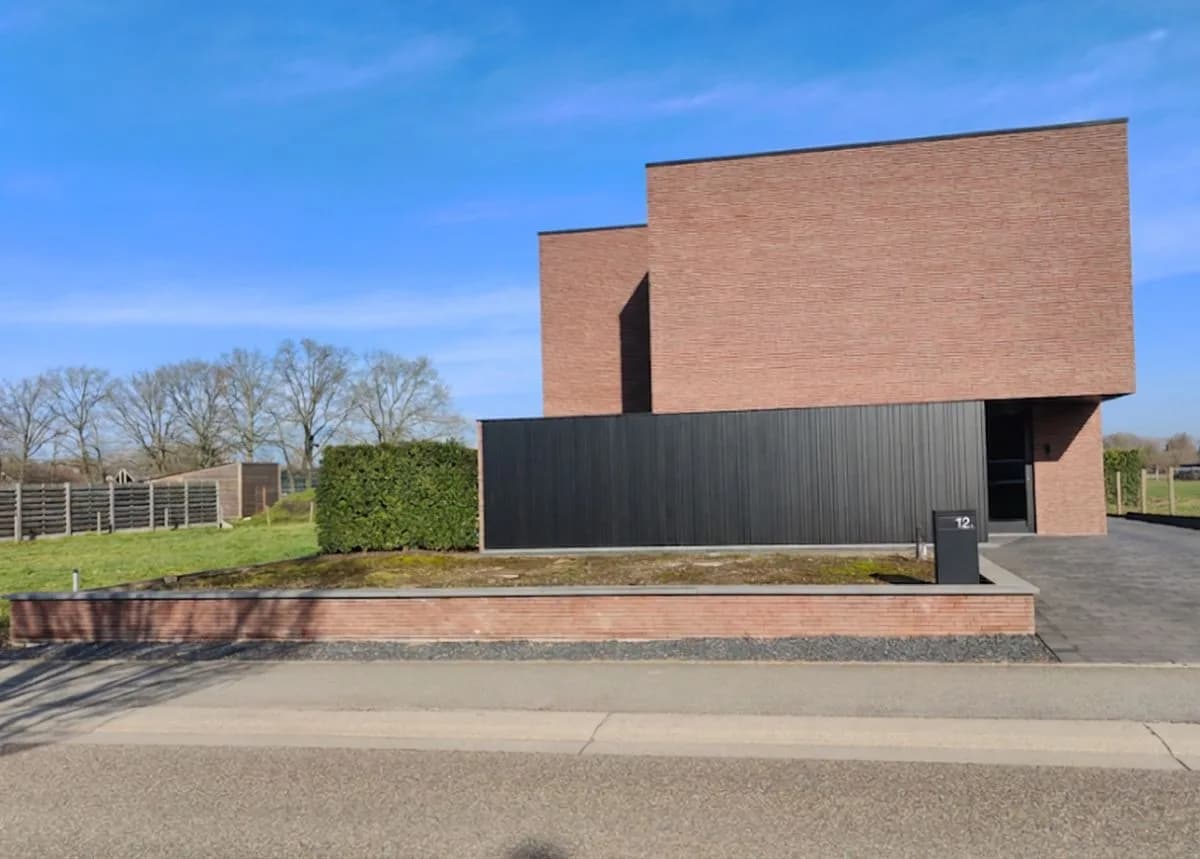
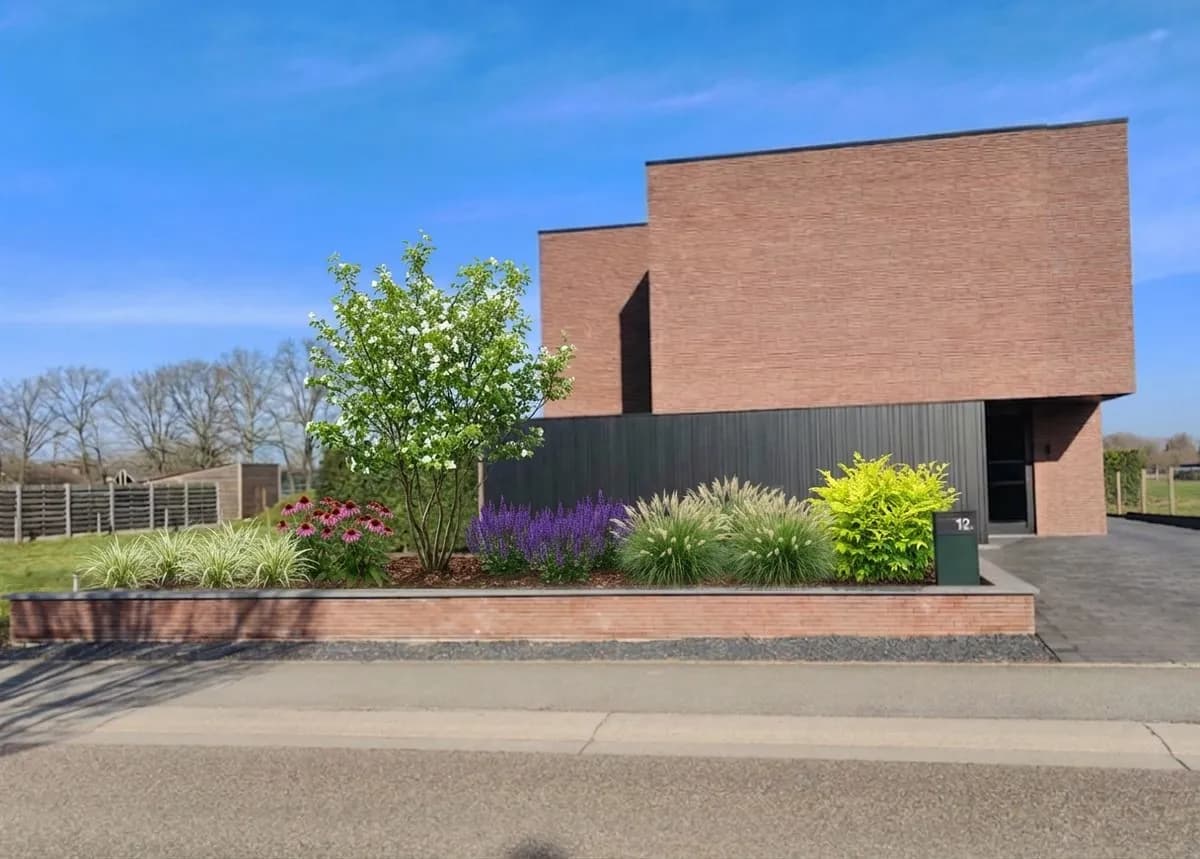
Want to see this in your garden?
Full design in HD: €7.99
What is boxwood blight and why is it serious?
Boxwood blight is caused by the fungus Cylindrocladium buxicola (and a few related species). It is an aggressive disease that can turn a green, healthy hedge into a brown, bare disaster within weeks. The fungus causes leaf spots, leaves fall off, and eventually entire branches die. In damp weather and poor air circulation it spreads rapidly.
This is not a cosmetic problem. Once infected you will need considerable effort to save your boxwood, and in many cases replacing it with another plant (such as Ilex crenata) is the only practical solution. That is why early detection and quick action are essential.
How do you recognize boxwood blight?
Early symptoms: You start with small brown or greyish-brown spots on the leaf. They usually start on the underside of the plant or inside the hedge, where it is damper. The spots often have a characteristic grey border.
Further development: In the second and third week it spreads out. You see black streaks along the stems. The leaf turns yellow, then brown, and falls off. The hedge suddenly looks as if winter has come: bare and dead.
Eventually: Branches die completely. The plant develops holes. Your hedge loses its shape and density. This all happens much faster than with other leaf diseases.
The distinction from boxwood moth (caterpillars with neat holes) is clear: fungus causes spots and whole leaf drop, while caterpillars eat small neat holes in the leaf.
When does boxwood blight occur?
The fungus loves damp conditions. May to September is the highest risk, especially:
- After wet periods (more than 48 hours of moisture on the leaf)
- At high humidity (above 85 percent)
- In shady spots where leaves stay wet longer
- In dense hedges where air does not circulate well
- During morning mist or rain showers
Dry, warm summers are less problematic. Cold winters interrupt the spread, but the fungus survives on dead leaves and infected branches.
Prevention is most important
1. Right location and spacing: Plant boxwood in a spot with good air circulation. Avoid shade against a wall or under other trees. Boxwood actually wants sunlight. Make sure there is at least 40 centimetres distance between plants.
2. Do not spray: This is crucial. Wet leaves increase the risk, so never spray boxwood. Even with fungicides. This only creates more moisture on the leaf.
3. Keep leaves dry: Make sure water from above (rainwater) drains quickly. Water at foot level is fine, but leaves must stay dry. So water carefully around the plant, never over the foliage.
4. Remove winter debris: This is essential. In autumn and winter leaves fall off. Collect these almost daily and bag them away. Remaining dead leaves contain the fungal spores that erupt next summer.
What do you do at first symptoms?
Step 1: Immediate inspection At the first sign of brown spots, stop everything. This is your warning.
Step 2: Remove affected parts Cut off all visibly infected branches and leaves. Go deep into the hedge and cut anything brown or suspicious. Bag this material immediately in plastic (not on the compost). This is essential to prevent spread.
Step 3: Disinfect tools After pruning disinfect your secateurs and all tools immediately. Dip in disinfectant spray or wipe with alcohol. The spores remain on your tools and infect healthy plants.
Step 4: Improve air circulation Prune the hedge open and thinner. Make sure air can blow through the plant. This is the best short-term remedy.
Free preview
Create your own garden design
Can you save it?
That depends on the extent:
With early detection (a few spots): With aggressive pruning and regular checks you can often contain it. Check every 3-4 days, remove anything suspicious, disinfect tools. This however requires a lot of patience and discipline.
With advanced infection (more than 30 percent of hedge infected): Unfortunately you usually have to accept the setback. Your boxwood will have much dead wood. You have two options: 1) keep checking and pruning it (hard work), or 2) replace it.
Chemical fungicides: In the Netherlands and Belgium there are hardly any fungicides approved for homeowners against this disease. Professional growers sometimes use copper-based products under licence, but these are not freely available for home use. And spraying would contradict the principle anyway: more moisture equals worse for boxwood.
Replace with Ilex crenata
Many gardeners are now switching to Ilex crenata (Japanese holly). This is an excellent alternative:
Advantages:
- The same fine texture and compact growth as boxwood
- Lasts at least as long
- Much more resistant to fungus
- Slightly faster growing
- No boxwood moth (this does not attack Ilex)
Disadvantages:
- Slightly less drought tolerant
- More expensive to buy
- Different shade of green
Cost: Ilex crenata hedge costs about 2.50 to 3.50 euros per plant, depending on size. For a metre of hedge you need about 5-8 plants. So per running metre roughly 15 to 25 euros, versus boxwood at about 8 to 15 euros per metre. The difference is manageable.
Not sure whether Ilex crenata suits your garden? On gardenworld.app you can see it first in an example of your own garden.
Step by step
Step 1: Check your boxwood hedge weekly
Walk along your hedge once a week (May to September) and especially look inside and underneath for brown spots. Early detection is everything.
Step 2: At first spots prune immediately
Cut off all visibly infected branches and leaves down to healthy wood. Go deep into the plant. Bag the waste.
Step 3: Disinfect tools
Immediately after pruning disinfect your secateurs. Spray or alcohol. No compromises.
Step 4: Improve air
Prune the hedge open so wind can blow through it. Remove dead leaves underneath.
Step 5: Remove fallen leaves in autumn
Every day in October, November and December collect fallen leaves and bag them away. This removes fungal spores from your hedge.
Step 6: Winter clean
In January, February, March: still remove dead leaves daily. The fungus waits for damp spring.
Frequently asked questions
Can I save my boxwood with a fungicide?
Unfortunately not really. Fungicides like copper work only marginally, especially because you do not want to spray (that increases moisture and thus risk). Practically speaking: if your boxwood is severely infected, you invest your energy better in replacing it.
Why did my boxwood get blight while my neighbour's did not?
Three factors: 1) Your spot was shadier or damper. 2) You left dead leaves lying. 3) Your neighbour is constantly checking and pruning (which you don't see).
Is boxwood blight really such a problem in the Netherlands and Belgium?
Yes. Since about 2010 it has spread hard in this region. In wet years the damage is severe; in dry years it is milder. But it is now found almost everywhere.
Should I remove all my boxwood?
No. If you live in a sunny, dry spot with good air movement, boxwood can grow perfectly well without problem. Just check regularly. Boxwood in problem areas (shade, damp, close together) is however a risk.
See it in your own garden first
Want to see how a healthy boxwood hedge fits your garden, or explore the alternative Ilex crenata instead? Upload a photo of your garden on gardenworld.app and view a free sample of a new design with these hedging plants. The sharp image with plant list costs 7.99 euros, one-time, no subscription.
Create your own garden design
Upload a photo, pick a style, and get a photorealistic design with plant list in under a minute.
Full design in HD: €7.99
Related articles
 Planting
Boxwood moth: identifying and controlling without poison
Boxwood moth caterpillars strip hedges bare. Identify them, use pheromone traps and Bacillus thuringiensis without poison.
 Planting
Boxwood alternatives: which hedge plant fits your location
Your boxwood hedge is diseased or gone. Which plant can you put in its place? We compare Ilex crenata, Euonymus, Lonicera and Taxus per location.
PlantingHedge planting: species and spacing guide
Which hedging plant suits your garden? Compare popular species, planting distances and maintenance tips for a thick hedge.