
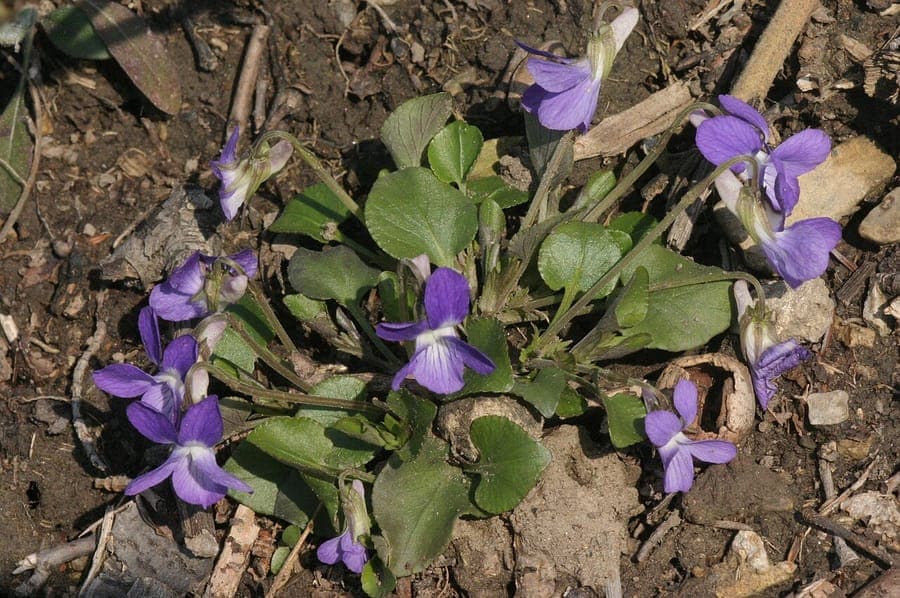
HermannSchachner / CC0, via Wikimedia Commons
Teesdale violet: complete guide
Viola rupestris
¿Quieres ver Teesdale violet: complete guide en tu jardín?
1 minuto, sin tarjeta de crédito
The Teesdale violet is the tiniest of all violet species, barely 5-10 cm tall. This exquisite little plant is found naturally on rocky alpine sites where it clings to stone faces. Its perfect miniature purple flowers make it a showstopper in rock gardens and specialist alpine collections. This guide explains how to cultivate this gemstone successfully.
Overview
Viola rupestris is a true alpine specialist found on rocky and sandy sites across temperate mountain ranges of Eurasia. The botanical name references its rocky habitat preference. This is a dedicated alpinist that thrives on stone faces and boulder screes. Due to its minimal stature it's perfect for alpine troughs and miniature rock gardens.
Appearance and Bloom Cycle
Flowers measure just 8-10 mm across in dark violet to blue-violet hues. Growth habit is completely prostrate with extremely sparse foliage. Blooms arise just above the leaf rosette creating a flat appearance. Peak bloom occurs May through July with occasional repeat flowers in September. The plant remains utterly compact and perfectly neat.
Ideal Location
Position in full sun or light shade, though sun is much preferred. This species demands excellent drainage and air circulation, so avoid enclosed situations. Planting on south-facing rock faces or in gritty raised beds works perfectly. Indoor alpine frame cultivation is ideal for wet climates.
Soil Requirements
Use gritty alpine potting compost, not regular garden soil. Mix in additional coarse sand or fine gravel for superior drainage. Poor, nutrient-depleted soil actually suits this specialist perfectly. Never use rich compost. Ensure drainage holes and protective gravel layer prevent moisture accumulation.
Diseño gratis
¿Quieres ver Teesdale violet: complete guide en tu jardín? Crea un diseño gratis ahora.
Watering
Water newly established plants carefully but regularly until growth initiates. Once established reduce watering dramatically. During active growth maintain slight moisture without wetness. In winter keep completely dry. Never wet the foliage, always water at the soil level only.
Pruning
No pruning is necessary. Remove any dead foliage carefully with tweezers if needed. The plant naturally maintains perfect compact form without intervention.
Maintenance Calendar
January-April: Growth preparation, seed sowing initiation. May-July: Peak blooming, careful modest watering. August-October: Bloom decline, significantly reduce water. November-December: Winter dormancy, virtually no water.
Winter Hardiness
Teesdale violet is hardy to minus 20 degrees Celsius. It survives northern European winters without protection. In extreme continental climates with prolonged frost, extra dryness prevents root damage. Ensure water never accumulates around roots during winter.
Companion Plants
Group with other alpine violets like Viola gracilis. Combine with extremely miniature alpines including Dianthus microlepis, Silene acaulis and Saxifraga species. In containers situate near tiny sedums and sempervivums for harmonious compositions.
Closing Thoughts
Teesdale violet is strictly for dedicated alpine enthusiasts and specialist collectors. Source plants from alpine nurseries specializing in miniature species. Plant in spring using proper alpine substrate. Perfect for creating minimalist, sophisticated alpine collections. Learn advanced alpine cultivation techniques on gardenworld.app which provides specialized guides for alpine gardening excellence. Success with this tiny treasure brings genuine accomplishment!
Explore alpine gardening mastery on gardenworld.app, your complete resource for rock garden and alpine plant cultivation success.
¿Quieres ver Teesdale violet: complete guide en tu jardín? Crea un diseño gratis ahora.
Sube una foto, elige un estilo y obtén un diseño fotorrealista con lista de plantas en menos de un minuto.
Más de 10.000 jardines diseñados
Sin tarjeta de crédito


Plantas similares
Early dog violet: complete guide
Viola reichenbachiana
Discover Viola reichenbachiana, a delicate early spring woodland wildflower with purple blooms. Growing tips, care requirements, and companion planting ideas.
Wood violet: complete guide
Viola riviniana
Master the cultivation of Viola riviniana, a vigorous woodland violet perfect for shaded borders. Growing tips, care advice, and design suggestions for natural gardens.
Viola: complete guide
Viola odorata L.
A beautiful violet species.