
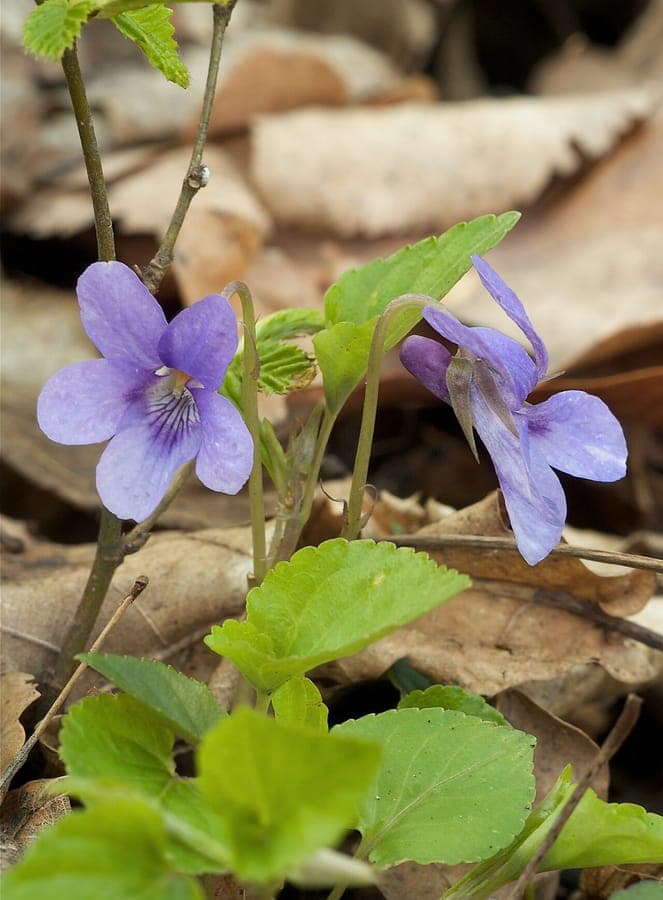
Jörg Hempel / CC BY-SA 2.0 de, via Wikimedia Commons
Early dog violet: complete guide
Viola reichenbachiana
¿Quieres ver Early dog violet: complete guide en tu jardín?
1 minuto, sin tarjeta de crédito
The early dog violet emerges from forest floors in March with tiny purple blooms that signal spring's arrival. This delicate perennial is perfect for shaded woodland gardens and creates beautiful naturalistic plantings under trees. In this guide, we explore how to cultivate this charming native wildflower and integrate it into your garden design.
Overview
Viola reichenbachiana is a diminutive perennial wildflower native to European woodlands. Growing just 10-15 cm tall, it remains neat and compact while producing hundreds of tiny purple flowers. The common name "early dog violet" refers to its dark-centered blooms and early spring flowering habit. This hardy little plant brings woodland charm to any garden setting.
Appearance and Bloom Cycle
Flowers measure approximately 1 cm across in shades of purple to violet-blue with distinctive pale yellow centers. Heart-shaped leaves arrange in tidy rosettes close to the ground. The plant remains ornamental throughout summer with its foliage, though flowering ceases after May. Peak bloom occurs March to April, making it a valuable early season color source.
Ideal Location
This wildflower thrives in dappled shade to full shade environments like beneath mature trees or on north-facing borders. It tolerates dense woodland shade better than many spring bulbs. Avoid full sun exposure which can cause premature leaf scorch. Position it where it receives morning light but afternoon protection from strong sun rays.
Soil Requirements
Provide rich, well-draining soil amended with leaf mold or garden compost. This species prefers neutral to slightly acidic soil. While it tolerates moist conditions, waterlogging causes root rot, so ensure adequate drainage. Organic matter incorporation supports establishment and long-term vigor in poor soils.
Watering
Water newly planted specimens regularly until established. During the growing season (March-May), maintain consistently moist but not soggy soil. Reduce watering significantly after flowering concludes. Mature plants require minimal supplemental water except during extended drought periods when afternoon irrigation helps.
Diseño gratis
¿Quieres ver Early dog violet: complete guide en tu jardín? Crea un diseño gratis ahora.
Pruning
No pruning is required. Remove any browning or damaged foliage in early spring before active growth. The plant naturally completes its flowering cycle without intervention. Deadheading extends bloom slightly but is entirely optional for this low-maintenance species.
Maintenance Calendar
January-February: Dormant period, minimal care needed. March: First blooms appear, initiate regular watering schedule. April-May: Peak flowering period, enjoy the display. June-September: Summer dormancy, water only during dry spells. October-November: Prepare for dormancy. December: Ensure winter protection in extreme conditions.
Winter Hardiness
This species is extremely hardy to minus 20 degrees Celsius and thrives throughout the UK and northern Europe. It requires no winter protection in temperate zones. In continental climates with extended hard freezes, a light mulch layer benefits root systems during the coldest periods.
Companion Plants
Group early dog violets with snowdrops, crocuses, and hellebores for cohesive spring displays. Pair with other woodland understory plants like pulmonaria and hellebores. The violet's small stature works well edging fern colonies and providing ground-level color beneath deciduous trees.
Closing Thoughts
Early dog violet offers gardeners authentic woodland charm in a compact, reliable package. Source plants from specialized alpine nurseries or native plant suppliers during dormancy. Plant in autumn or very early spring for best establishment. Discover more native wildflower cultivation techniques on gardenworld.app where you'll find extensive guides to creating biodiverse garden spaces. Visit your local garden centre to explore additional spring-flowering species and expand your collection. Gardenworld.app remains your comprehensive resource for native plant gardening success and ecological garden design.
¿Quieres ver Early dog violet: complete guide en tu jardín? Crea un diseño gratis ahora.
Sube una foto, elige un estilo y obtén un diseño fotorrealista con lista de plantas en menos de un minuto.
Más de 10.000 jardines diseñados
Sin tarjeta de crédito


Plantas similares
Wood violet: complete guide
Viola riviniana
Master the cultivation of Viola riviniana, a vigorous woodland violet perfect for shaded borders. Growing tips, care advice, and design suggestions for natural gardens.
Teesdale violet: complete guide
Viola rupestris
Discover Viola rupestris, a diminutive alpine violet perfect for rock gardens. Specialized care for miniature plantings and challenging sites.
Viola: complete guide
Viola odorata L.
A beautiful violet species.