
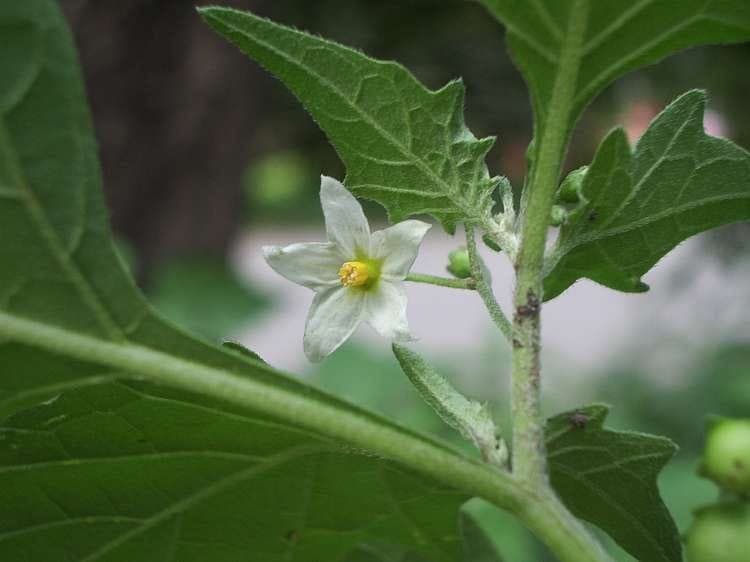
Harald Hubich / CC BY-SA 3.0, via Wikimedia Commons
Solanum nigrum: complete guide
Solanum nigrum
¿Quieres ver Solanum nigrum: complete guide en tu jardín?
1 minuto, sin tarjeta de crédito
Overview
Solanum nigrum, commonly named black nightshade, is a widespread annual to short-lived perennial plant in the Solanaceae family. Originally from temperate Eurasian regions, it now colonizes disturbed ground, gardens, and roadsides across most continents. Botanically interesting despite its weedy reputation, this humble plant deserves study for its ecology and chemical composition.
Black nightshade contains toxic alkaloids throughout all plant parts. Extreme caution is essential when handling or studying this species. While some cultures traditionally utilize the berries, such use is dangerous without specialized botanical knowledge. For most gardeners, recognition and avoidance remain prudent approaches.
Appearance and bloom cycle
Solanum nigrum grows as a sprawling, low herb reaching 30 to 100 centimeters tall, though usually more compact. The herbaceous stems are occasionally slightly hairy and can root where they contact soil in warm seasons.
Leaves are lance to egg-shaped, 4 to 8 centimeters long, with wavy margins, arranged alternately on stems. Tiny white or pale purple flowers appear in simple clusters of 3 to 8 blooms per inflorescence, each flower just a few millimeters across.
Following pollination, small spherical berries develop, starting green, then orange, finally maturing to glossy black. These characteristic black fruits give the plant its common and scientific names.
Ideal location
Black nightshade grows in diverse conditions from full sun to partial shade, thriving best in warm, sunny locations but tolerating shadier spots. This flexibility makes it successful as a weed in varied garden situations.
In gardens, the plant emerges on disturbed soils, field edges, and open areas. For research or collection purposes, cultivate specimens in pots on sunny windowsills or in greenhouses.
Soil requirements
Solanum nigrum is highly adaptive, growing in almost all soil types. It prefers moderately fertile, well-draining soils but tolerates poor, compacted earth where little else thrives. The plant even prospers in neglected corners.
For pot cultivation, use standard potting mix amended with sand or perlite for improved drainage. Organic matter enrichment promotes growth but remains unnecessary for survival.
Diseño gratis
¿Quieres ver Solanum nigrum: complete guide en tu jardín? Crea un diseño gratis ahora.
Watering
Once established, black nightshade is very drought-tolerant, requiring minimal supplemental water. In dry periods, growth slows but plants rarely perish. Regular watering promotes stronger growth and abundant flowering.
In containers, water moderately, allowing soil surface to dry slightly between waterings. Excessive moisture harms this species more than drought. The plant clearly signals water need by becoming slightly limp.
Pruning
Pruning is unnecessary for this wild plant. For container cultivation, pinching growing tips produces more compact, bushy form encouraging branching and additional flowers.
The plant readily regenerates from pruned stems. In gardens, pruning is typically unnecessary unless preventing spread.
Maintenance calendar
April-May: Seeds germinate in warming weather, young plants appear almost spontaneously.
June-July: Full growth, regular water stimulates flowering, no feeding required.
August-September: Peak blooming and fruiting, monitor for pests.
October: Fruit ripening completes, seeds reach full maturity.
November-March: Winter period, plants die down or persist as weak rosettes.
Winter hardiness
Black nightshade is not winter-hardy in temperate climates, dying at first frost. Maximum hardiness in USDA zones 6-11 depending on subspecies. In northern Europe, few outdoor plants survive winter, though seeds may overwinter in soil.
In protected greenhouses, plants grow longer and become perennial. For outdoor cultivation in temperate regions, the plant functions essentially as an annual.
Companion plants
In gardens, Solanum nigrum often grows alongside other weeds on disturbed ground. For research, cultivate potted specimens alongside other Solanum species or interesting medicinal herbs:
- Other Solanum species (comparative study)
- Hyoscyamus niger (henbane)
- Datura stramonium (thorn apple)
- Atropa belladonna (deadly nightshade)
Keep these toxic plants strictly separated from children and pets.
Closing thoughts
Solanum nigrum interests botanists and ethnobotanists but demands extreme caution due to toxicity of all plant parts. This species is unsuitable for cultivation in households with children or animals.
For plant researchers and collectors, this species offers insights into Solanum ecology and physiology. Obtain seeds from wild sources or specialized suppliers. Cultivate in contained conditions wearing protective gloves. In case of external contact or fruit ingestion, seek immediate medical attention.
¿Quieres ver Solanum nigrum: complete guide en tu jardín? Crea un diseño gratis ahora.
Sube una foto, elige un estilo y obtén un diseño fotorrealista con lista de plantas en menos de un minuto.
Más de 10.000 jardines diseñados
Sin tarjeta de crédito


Plantas similares
Solanum dolichosepalum: complete guide
Solanum dolichosepalum
Discover Solanum dolichosepalum, an Andean nightshade with striking long sepals. Growing tips, hardiness, and companion planting for your patio.
Solanum ripense: complete guide
Solanum ripense
Discover Solanum ripense, a moisture-loving Andean nightshade for pond edges and conservatories. Growing tips, hardiness, and companions.
Solanum tomentosum: complete guide
Solanum tomentosum
Discover Solanum tomentosum, a thorny South African nightshade with felted leaves. Growing tips, hardiness, and companion planting ideas.