
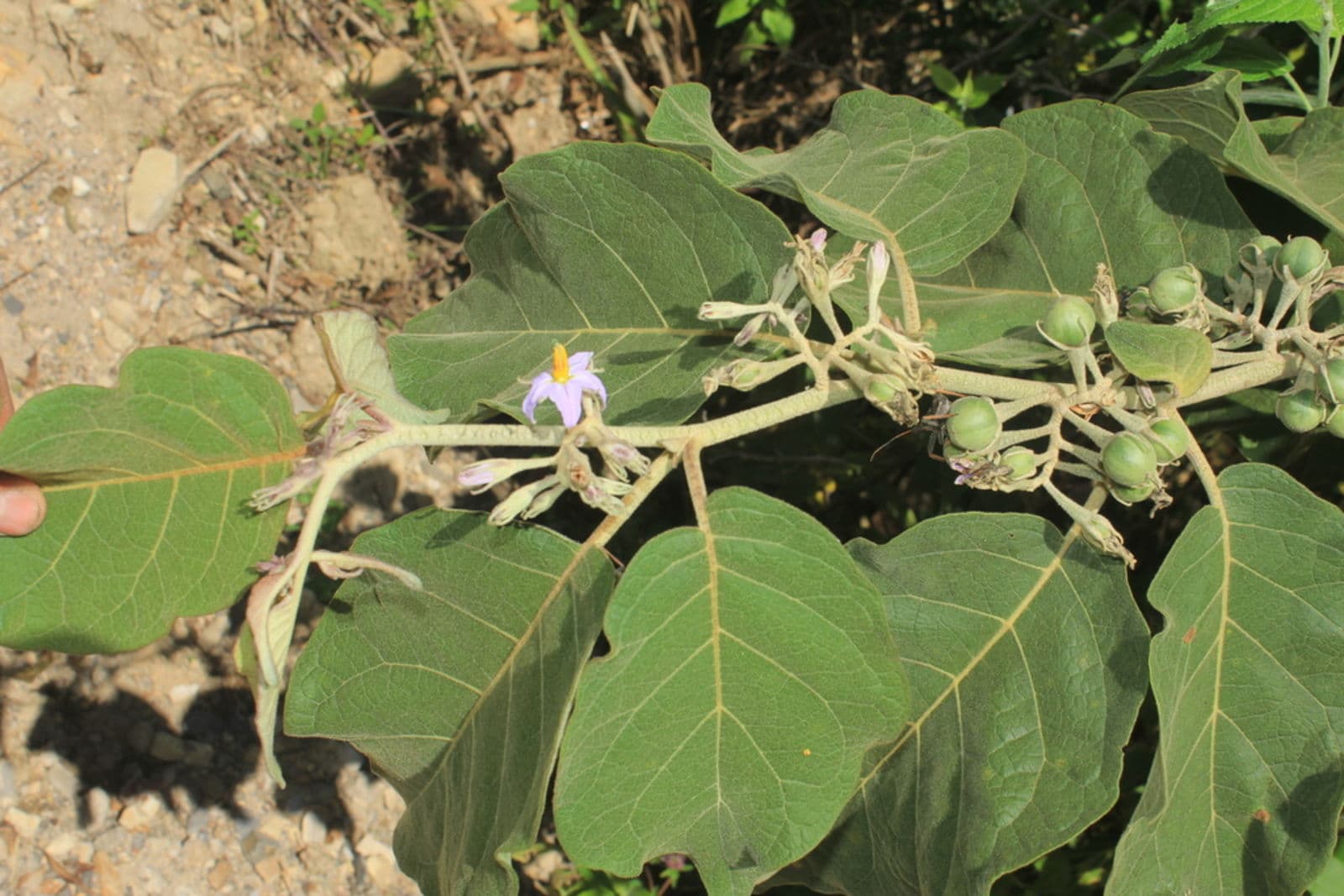
Solanum dolichosepalum: complete guide
Solanum dolichosepalum
¿Quieres ver Solanum dolichosepalum: complete guide en tu jardín?
1 minuto, sin tarjeta de crédito
Overview
Solanum dolichosepalum is a lesser-known nightshade in the family Solanaceae, native to the humid cloud forests along the border between Colombia and Venezuela, particularly in Zulia state and the Sierra de Perija range. German botanist Georg Bitter described the species in 1920. Locally in Spanish it goes by the name frutillo, a nod to its small, berry-like fruit, while the French common name references its most striking feature: unusually elongated sepals.
The species name dolichosepalum combines the Greek dolichos (long) and sepalum (sepal), describing the leafy, elongated calyx that wraps around the small orange-red berry and extends well beyond it, like a lantern husk. This trait keeps the fruit visually interesting long after flowering, making the plant appealing to collectors who enjoy unusual foliage and fruit structure. On gardenworld.app we file this Andean nightshade among our exotic container plants, alongside better-known relatives such as angel's trumpet and Iochroma.
In its native habitat, at elevations between 1,500 and 2,500 meters, the plant grows as an upright shrub reaching 1.5 to 3 meters tall in a cool-tropical climate: warm days, cool nights, and near-constant rainfall throughout the year. That origin shapes almost everything about growing it in temperate gardens.
Appearance and bloom
Solanum dolichosepalum carries large, oval leaves with a soft, slightly velvety underside, a trait shared by many Andean nightshades that helps limit moisture loss in fluctuating mountain humidity. Leaves can reach 15 to 25 centimeters long, with a dark green upper surface.
Flowers hang in drooping clusters and show the classic star shape of the nightshade family: five fused petals surrounding a central cone of yellow stamens, much like the flowers of potato and tomato. Color ranges from soft white to lilac, often flushed purple toward the edges. In a conservatory or on a sheltered patio in northern Europe, the plant blooms from June through October, given enough warmth and light.
After flowering, the plant develops its signature long sepals around the small round berry. Like nearly all ornamental nightshades, these berries are not meant for eating; as with poisonous nightshade, they contain solanine-like compounds and should be kept away from children and pets.
Ideal location
Because Solanum dolichosepalum comes from a cool-tropical cloud forest, it tolerates full, blazing midday sun in a northern European summer far less well than filtered light. A partly shaded spot, such as beneath tall trees or on the east side of a building, most closely mimics its natural conditions. If placed in full sun, adequate soil moisture is essential to prevent leaf scorch.
Outdoors in a pot on a sheltered patio, away from cold wind, gives the best results. Since the species is not frost hardy, bring the plant indoors as nighttime temperatures drop in September, ideally to a bright conservatory, winter garden, or cool room at a minimum of 10 degrees Celsius.
Soil
An airy, humus-rich potting mix with good moisture retention but also good drainage suits the plant's natural habitat in humid mountain forests best. Blend standard potting soil with perlite or coconut coir and a portion of compost to hold moisture while avoiding waterlogging. A pH between 6.0 and 6.8, mildly acidic, matches the humus-rich forest floor of its native range.
Feed during the growing season, from April through August, every three to four weeks with a liquid flowering-plant fertilizer to support bloom and fruit set.
Diseño gratis
¿Quieres ver Solanum dolichosepalum: complete guide en tu jardín? Crea un diseño gratis ahora.
Watering
Solanum dolichosepalum likes evenly moist soil, in keeping with the constant rainfall of its cloud forest habitat. Let the top centimeter of potting mix dry slightly between waterings, but never let the root ball dry out completely. Use rainwater or tap water that has come to room temperature where possible, since cold water can shock the roots.
During indoor winter dormancy, with lower temperatures and less light, the plant needs far less water; give it just a little occasionally to prevent it from drying out completely without causing root rot.
Pruning
Prune Solanum dolichosepalum in early spring, in March, cutting back by roughly a third to encourage a compact, well-branched habit. Remove any dead or overly thin wood entirely. During the growing season you can snip off spent flower clusters once berries have dropped to keep the plant tidy, unless you want to leave the ornamental sepals in place as decoration.
A light trim when bringing the plant indoors in autumn makes it more compact for overwintering and reduces the risk of fungal disease in the damper winter air.
Maintenance calendar
March: hard prune and repot into fresh potting mix. April through August: main growing season, weekly watering and feeding every three weeks. June through October: bloom and fruit set. September: prepare to move the plant indoors as nighttime temperatures drop below 12 degrees Celsius. October through February: indoor winter rest, minimal water, no feeding. February: gradually increase watering as new growth appears.
Winter hardiness
Solanum dolichosepalum is not winter hardy in the climate of the Low Countries, corresponding to USDA zone 10b to 11, similar to many other ornamental Andean nightshades such as Iochroma and some Cestrum species. Frost is lethal to the plant; even temperatures just above freezing can cause leaf damage.
Grow the plant in a pot you move seasonally: outdoors in summer, indoors at a minimum temperature of 8 to 10 degrees Celsius in winter. This seasonal rhythm loosely mimics the day-night temperature swing of its mountainous native range.
Companion plants
In an exotic-themed patio design, Solanum dolichosepalum pairs well with other tender South American species that share the same overwintering rhythm: angel's trumpet (Brugmansia), Iochroma cyaneum, and the blue-flowered Salvia guaranitica. For added foliage structure, banana plants such as Musa basjoo or Ensete ventricosum complement the combination nicely.
For sourcing: garden centers typically stock the more familiar tropical container plants such as Brugmansia; for Solanum dolichosepalum itself, your best bet is a specialist grower of rare Solanaceae or a botanical garden plant sale.
Closing
Solanum dolichosepalum is a fascinating, rarely cultivated nightshade whose strikingly long sepals and soft, velvety leaves make it a unique addition to an exotic patio or conservatory. Though not winter hardy in northern Europe, it rewards the annual rhythm of summering outdoors and overwintering indoors with a long bloom from June through October. Browse gardenworld.app for more unusual Solanaceae species to complete your exotic garden design.
¿Quieres ver Solanum dolichosepalum: complete guide en tu jardín? Crea un diseño gratis ahora.
Sube una foto, elige un estilo y obtén un diseño fotorrealista con lista de plantas en menos de un minuto.
Más de 10.000 jardines diseñados
Sin tarjeta de crédito


Plantas similares
Solanum ripense: complete guide
Solanum ripense
Discover Solanum ripense, a moisture-loving Andean nightshade for pond edges and conservatories. Growing tips, hardiness, and companions.
Solanum tomentosum: complete guide
Solanum tomentosum
Discover Solanum tomentosum, a thorny South African nightshade with felted leaves. Growing tips, hardiness, and companion planting ideas.
Solanum interius: complete guide to this plains nightshade
Solanum interius
Grow plains nightshade, a drought-tolerant North American wildflower with purple blooms and remarkable adaptability to dry prairie soils.