
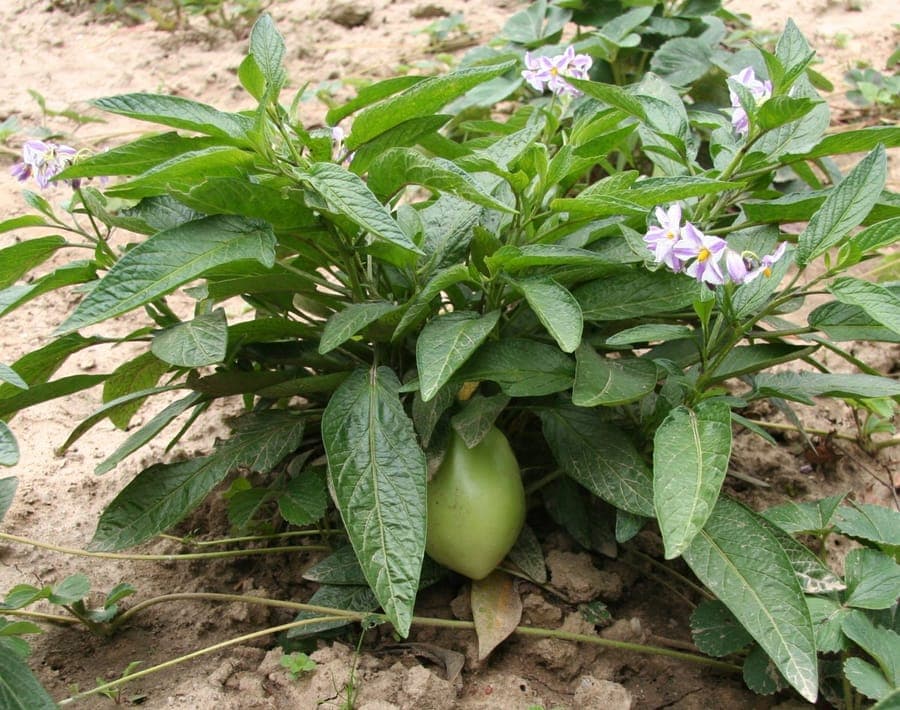
Michael Wolf / CC BY 2.5, via Wikimedia Commons
Peruvian Pepino: complete guide
Solanum muricatum
¿Quieres ver Peruvian Pepino: complete guide en tu jardín?
1 minuto, sin tarjeta de crédito
Overview
The Peruvian pepino (Solanum muricatum), originating from the Andean regions of Colombia, Ecuador and Peru, is a remarkable fruit plant gaining popularity among growers worldwide. It produces pale yellow fruits with purple striping, roughly egg-sized, offering a delicate flavour somewhere between melon and cucumber. In cooler climates, pepino grows well in greenhouses or under protective covers.
Appearance & bloom cycle
Pepino develops as a semi-woody shrub reaching 60-90 cm in height. The plant bears pale flowers (approximately 1.5 cm across) appearing mainly between May and September. Fruits mature 60-90 days after flowering and turn golden-yellow with purple streaks when ready. The leaves are elongated and finely hairy.
Ideal location
Pepino demands substantial sunlight – at least 6-8 hours of direct sun daily. In temperate regions, position against a warm wall, or better yet, grow in a greenhouse or under row covers. Container culture (40+ litre pots) works excellently. As a tropical plant, pepino cannot tolerate frost: maintain minimum 10°C, ideally 18-25°C.
Soil requirements
Use rich, free-draining potting compost with pH 6.0-7.0. Avoid waterlogged soil; add sand or perlite for better aeration. Pepino thrives in nutrient-rich conditions – incorporate compost or leaf mould at planting. Container-grown pepino needs regular feeding.
Watering
Pepino needs consistent moisture, particularly during growth and fruit-set. Keep soil consistently moist but not waterlogged. Ensure excellent drainage to prevent root rot. Water daily during dry spells; reduce frequency in autumn. Allow only the top 2 cm to dry slightly between waterings in containers.
Diseño gratis
¿Quieres ver Peruvian Pepino: complete guide en tu jardín? Crea un diseño gratis ahora.
Pruning
Pepino responds well to pruning. In the first season, pinch the main stem to encourage branching. Remove basal side-shoots below 20-30 cm height for better airflow. Regularly remove dead or damaged foliage. Pepino tends toward bushy, sprawling growth; vertical string support helps control shape.
Maintenance calendar
Spring (March-May): Sow seeds or plant transplants in prepared compost. Water cautiously as growth accelerates. Keep seedlings protected under glass until all frost danger passes.
Summer (June-September): Water regularly, especially during dry periods. Begin monthly feeding from June-July onwards. Harvest ripe fruits; first fruits typically appear July onwards.
Autumn (October-November): Harvesting peaks. Reduce watering and feeding from October. Move plants indoors for frost protection.
Winter (December-February): Pepino cannot survive outdoors. For overwintering, cut plants back to 20 cm and store in a cool (5-10°C), dry location with minimal water. Reactivate gently in March.
Winter hardiness
Pepino is not frost-hardy in temperate zones. Plants die at -2°C or lower. However, you can preserve them: cut back to 20 cm and store in cool (5-10°C) dry conditions. Water sparingly. They'll regrow vigorously in March.
Companion plants
Pepino thrives alongside other warm-season fruits in greenhouse conditions. Pair with tomatoes, aubergines and peppers in the same warm environment. In containers, pepino combines well with heat-loving herbs like oregano and rosemary, which also help prevent fungal disease through good airflow.
Closing
Growing pepino brings tropical flavour to your garden. The taste vastly exceeds shop-bought fruit, and you control harvest timing perfectly. Try this summer in your greenhouse; visit gardenworld.app for design inspiration and more growing ideas. Within 2-3 seasons you'll have established a reliable pepino harvest and neighbours will marvel at this exotic addition to your kitchen garden!
¿Quieres ver Peruvian Pepino: complete guide en tu jardín? Crea un diseño gratis ahora.
Sube una foto, elige un estilo y obtén un diseño fotorrealista con lista de plantas en menos de un minuto.
Más de 10.000 jardines diseñados
Sin tarjeta de crédito


Plantas similares
Solanum dolichosepalum: complete guide
Solanum dolichosepalum
Discover Solanum dolichosepalum, an Andean nightshade with striking long sepals. Growing tips, hardiness, and companion planting for your patio.
Solanum ripense: complete guide
Solanum ripense
Discover Solanum ripense, a moisture-loving Andean nightshade for pond edges and conservatories. Growing tips, hardiness, and companions.
Solanum tomentosum: complete guide
Solanum tomentosum
Discover Solanum tomentosum, a thorny South African nightshade with felted leaves. Growing tips, hardiness, and companion planting ideas.