
Francisco Manuel Blanco (O.S.A.) / Public domain, via Wikimedia Commons
Potato-tree: complete guide
Solanum erianthum
¿Quieres ver Potato-tree: complete guide en tu jardín?
1 minuto, sin tarjeta de crédito
Overview
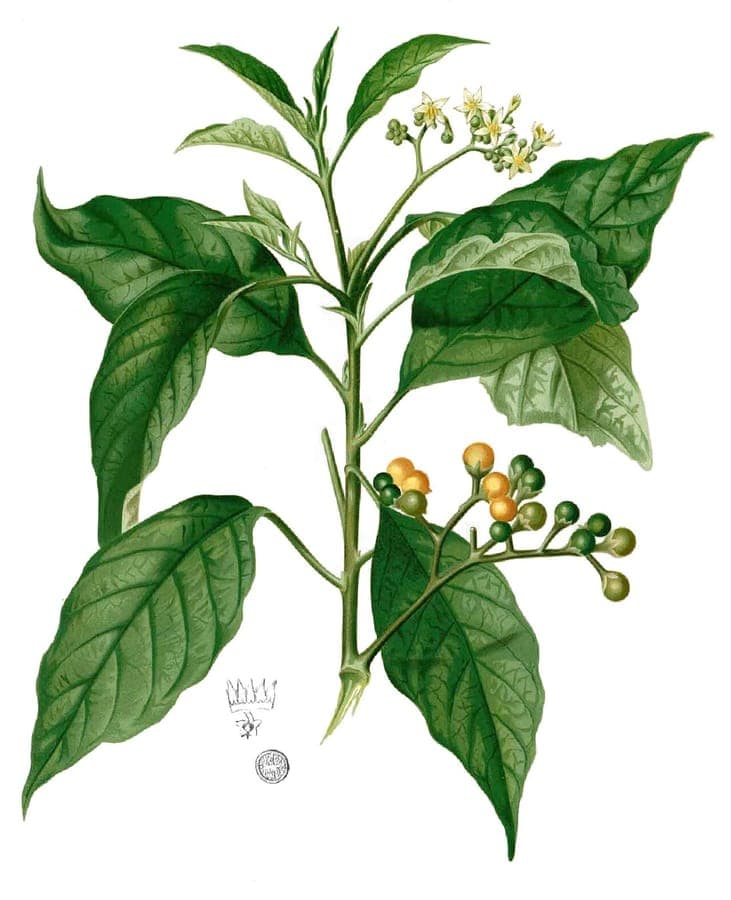
The Potato-tree (Solanum erianthum), native to Central and South America, is a fascinating subtropical tree with striking white flowers. This member of the Solanaceae family (same as tomatoes and peppers) reaches up to 3 meters height in warm climates. The tree produces yellow berries after flowering and is popular in warm, humid gardens.
Appearance and Bloom
The Potato-tree grows as an upright tree or large shrub with egg-shaped leaves up to 15 centimeters long. The leaves have a rough surface and irregular margins. The blooming is spectacular: large white star-shaped flowers in panicles, usually abundant from early in the season. Flowers appear from April through October in warm climates. Yellow, edible berries follow (though not particularly flavorful).
Ideal Location
Select a warm, sheltered location with abundant sunlight. The plant thrives best in full sun with at least six to eight hours daily. Protection from strong sea winds is recommended. In cooler climates, container cultivation indoors or in greenhouse is suitable. The plant is not winter hardy below -5 degrees Celsius.
Soil
Nutrient-rich, well-draining soil works best. A mixture of compost, garden mold, and sand delivers excellent results. pH around 6 to 7 is ideal. Regular fertilization with balanced formula (NPK 10-10-10) promotes flowering. Drainage is essential: the plant cannot tolerate waterlogging.
Watering
Regular watering is necessary, especially during the growing season. Keep the soil moist but not waterlogged. Water at least twice weekly during dry periods. In winter, reduce watering. Always ensure drainage, especially in containers.
Diseño gratis
¿Quieres ver Potato-tree: complete guide en tu jardín? Crea un diseño gratis ahora.
Pruning
Pruning helps maintain form and promotes bushy growth. Pinch the top when the plant reaches 60 centimeters. Later, remove dead wood and shape as desired. The plant tolerates aggressive pruning, which helps keep it more compact.
Maintenance Calendar
Spring (March-May): Active growth begins. Pruning can take place now. Start regular watering and fertilizing.
Summer (June-August): Peak blooming period. Moisture requirements are high. Water as needed. The plant may accelerate growth under warmth and humidity.
Autumn (September-October): Flowering slows. Gradually reduce fertilization. Winter preparation begins.
Winter (November-February): Growth slows. Reduce watering. In cold climates: move to warm shelter or greenhouse. No fertilization.
Winter Hardiness
Not winter hardy: cannot tolerate frost. Container growing outside tropical regions with indoor overwintering is recommended. In subtropical areas, protection from frost will be necessary.
Companion Plants
The tree forms attractive combinations with:
- Bougainvillea - complementary flowering and tropical look
- Spanish-flag (Ipomoea lobata) - contrasting climber
- Lantana - same warmth requirements
- Mandevilla - elegant vine for privacy
Closing
The Potato-tree offers spectacular ornamental value in warm climates with its abundant white blooming and interesting foliage. On gardenworld.app you will find examples of how this tree is used in garden designs. It is an ideal choice for those desiring tropical atmosphere in their own garden.
¿Quieres ver Potato-tree: complete guide en tu jardín? Crea un diseño gratis ahora.
Sube una foto, elige un estilo y obtén un diseño fotorrealista con lista de plantas en menos de un minuto.
Más de 10.000 jardines diseñados
Sin tarjeta de crédito


Plantas similares
Solanum dolichosepalum: complete guide
Solanum dolichosepalum
Discover Solanum dolichosepalum, an Andean nightshade with striking long sepals. Growing tips, hardiness, and companion planting for your patio.
Solanum ripense: complete guide
Solanum ripense
Discover Solanum ripense, a moisture-loving Andean nightshade for pond edges and conservatories. Growing tips, hardiness, and companions.
Solanum tomentosum: complete guide
Solanum tomentosum
Discover Solanum tomentosum, a thorny South African nightshade with felted leaves. Growing tips, hardiness, and companion planting ideas.