
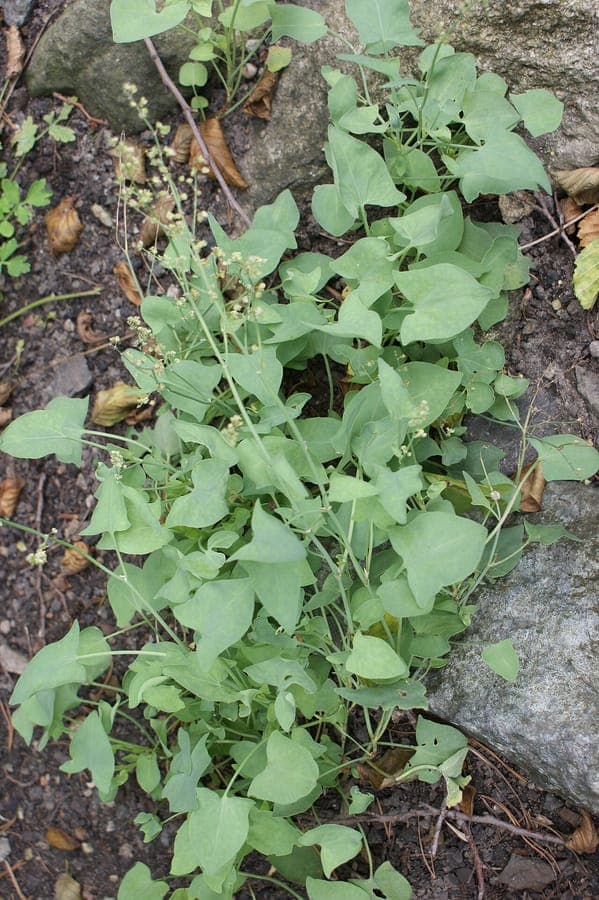
Krzysztof Ziarnek, Kenraiz / CC BY-SA 4.0, via Wikimedia Commons
French sorrel: complete guide
Rumex scutatus
¿Quieres ver French sorrel: complete guide en tu jardín?
1 minuto, sin tarjeta de crédito
Overview
French sorrel (Rumex scutatus), known in French-speaking regions as 'Oseille a feuilles en ecusson', is an elegant perennial herb prized for centuries in European kitchen gardens. Named for its distinctive shield-shaped leaves - the species name 'scutatus' means 'shield-like' - this plant stands apart from its common sorrel cousin through compact growth, milder flavour and extended harvesting seasons. With its bright, lemony-sharp taste, French sorrel brings vibrancy to fresh salads, sauces and culinary creations, while remaining remarkably easy to cultivate and exceptionally hardy.
The plant reaches optimal productivity in its second year and, with proper care, continues yielding fresh leaves for many years. French sorrel thrives both in dedicated herb gardens and as an ornamental edible in mixed borders. At gardenworld.app, you can incorporate culinary herbs like French sorrel into a professional garden design that balances beauty with productivity.
Appearance and bloom
French sorrel forms a compact, attractive mound typically 20-40 centimetres tall and equally broad. Its defining feature is the distinctive heart-shaped to spade-shaped foliage, glossy green and faintly wrinkled with wavy margins. Leaf colour ranges from fresh green to reddish-brown, particularly when plants experience stress or grow in full sun. In spring, slender inflorescences bearing tiny, inconspicuous reddish or pink flowers rise above the foliage. Small winged fruits follow, containing viable seeds.
Frost-resistant foliage persists through mild winters in temperate zones, allowing near year-round harvesting in favourable conditions. Leaves remain thin but flavourful - considerably more refined than the coarser common sorrel - and the plant rarely reaches the aggressive size of its larger relatives.
Ideal location
French sorrel performs optimally in sun-to-dappled shade positions receiving 4-6 hours of direct sunlight daily. In exceptionally hot climates, afternoon shade protects against leaf scorch and excessive drought stress. The plant withstands moderate wind but benefits from shelter against strong, drying winds that may damage tender foliage.
Position plants near kitchen doors and pathways for convenient fresh-leaf harvesting. The plant integrates beautifully into culinary gardens alongside other herb species. Container cultivation on south-facing patios or north-facing windowsill shelves allows year-round access to fresh leaves regardless of bed space.
Soil and substrate
French sorrel prefers slightly acidic to neutral, moisture-retentive yet freely-draining soil (pH 6.5-7.0). Most garden soils across temperate zones suit the plant well. The species tolerates poor, sandy or clay-dominant soils, though leaf quality suffers without adequate fertility and organic matter.
Amend planting holes with well-rotted compost or leaf mould at planting time. For containers, use standard horticultural compost amended with added perlite to improve drainage. Avoid waterlogged conditions that promote root rot. Apply a thin mulch layer of composted bark annually in spring to retain moisture and gradually improve soil fertility. At garden centres such as Intratuin (Netherlands) and Gamma (Belgium), composted bark and horticultural compost are readily available.
Diseño gratis
¿Quieres ver French sorrel: complete guide en tu jardín? Crea un diseño gratis ahora.
Watering
French sorrel prefers consistently moist but never waterlogged conditions. During the growing season (March through October), water at least twice weekly, adjusting frequency according to weather and soil type. In dry spells and hot summers, daily watering becomes necessary. Container-grown plants require daily moisture checks during the main growing season.
Applying a 3-5 centimetre mulch layer of composted bark around the plant (but not touching the crown) significantly reduces evaporation and gradually improves soil fertility. Rainwater is preferred; the plant accepts mains water but thrives best with rainwater supplementation.
Pruning and harvesting
French sorrel requires no formal pruning but benefits greatly from regular harvesting that stimulates branching and sustained leaf production. Begin harvesting once plants reach 4-6 weeks old, removing outer leaves progressively from bottom to top. This strategy encourages lateral branching and maintains compact form. Remove flowering stems promptly - this extends leaf production throughout autumn.
First-year plants warrant conservative harvesting to allow robust root development. From year two onwards, harvest generously without compromising plant vigour. Many gardeners harvest only the uppermost 10-15 centimetres, promoting bushier growth and compact architecture. Individual leaves may be picked continuously or entire shoots harvested - both approaches work effectively with this forgiving species.
Maintenance calendar
March-April: Planting season or spring recovery. Clear away winter damage and apply fresh compost. Initiate moderate watering.
May-June: Full growth phase. Ensure abundant water and begin regular harvesting. Remove flower stems.
July-August: Peak productivity months. Continue regular harvesting and adequate moisture. Monitor for occasional pest insects.
September-October: Food production continues. Gradually reduce watering as plant growth slows.
November-February: Dormancy period. Retain dead leaves for winter insulation. Minimal watering required.
Winter hardiness
French sorrel remains extremely hardy to -20°C and survives as a semi-evergreen in mild winters across much of temperate Europe, enabling near-continuous harvesting. In harsher winters, the aerial parts die back but the underground rhizome persists, regenerating fully the following spring.
Container specimens prove more frost-sensitive than garden-grown plants. Position containers against sheltered walls and wrap pots in bubble wrap or horticultural fleece during harsh winters. In extreme cold, mound composted bark over the soil surface for root protection.
Companion plants
French sorrel combines beautifully within herb collections featuring diverse culinary species - various sorrel types, mints, chives and marjoram create nutritious and visually interesting compositions. In ornamental plantings, sorrel works well alongside fine-textured companions like fennel and bronze fennel, which provide textural contrast to the shield-shaped foliage.
Inter-plant with flowering herbs such as oregano, thyme and lavender for cohesive culinary garden design. Bees and other pollinators value the small sorrel flowers, contributing to pollination services for nearby vegetable and fruit crops.
Conclusion
French sorrel rewards gardeners with year-round fresh, nutritious leaves requiring minimal input. For those valuing both flavour and health, this plant represents genuine garden excellence. With straightforward cultivation and impressive productivity, French sorrel suits beginner food gardeners and experienced vegetable growers alike. Incorporate French sorrel into your gardenworld.app design and enjoy fresh, vibrant leaves from your own sustainable food garden throughout the seasons.
¿Quieres ver French sorrel: complete guide en tu jardín? Crea un diseño gratis ahora.
Sube una foto, elige un estilo y obtén un diseño fotorrealista con lista de plantas en menos de un minuto.
Más de 10.000 jardines diseñados
Sin tarjeta de crédito


Plantas similares
Narrow-leaf sorrel: complete guide
Rumex thyrsiflorus
Everything about Narrow-leaf sorrel (Rumex thyrsiflorus): cultivation, characteristics and uses. Tips for this nutritious food plant.
Garden sorrel: complete guide
Rumex acetosa
Garden sorrel (Rumex acetosa) is a nutritious culinary herb with tangy leaves. Learn to grow, harvest and use it in cooking.
Oxalis acetosella: complete guide
Oxalis acetosella
Discover Oxalis acetosella, Irish shamrock. Guide to cultivation, care, and benefits of this shade-loving plant in woodland gardens.