
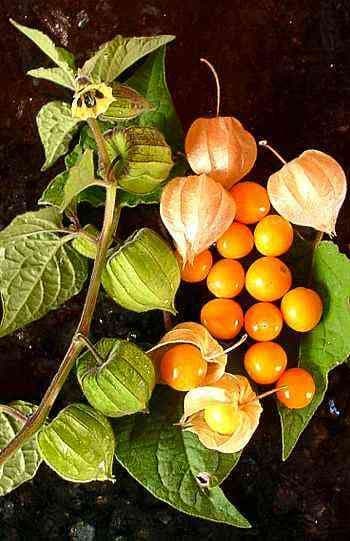
No machine-readable author provided. JuanseG~commonswiki assumed (based on copyright claims). / Public domain, via Wikimedia Commons
Physalis peruviana: complete guide
Physalis peruviana
¿Quieres ver Physalis peruviana: complete guide en tu jardín?
1 minuto, sin tarjeta de crédito
Overview
The Peruvian ground-cherry (Physalis peruviana), also known as cape gooseberry or inkaberry, is a fruit-bearing plant from the Solanaceae family native to the Andes of South America. This fascinating plant produces small, golden-yellow fruits enclosed in paper-thin leaf-like husks. The fruits have a unique sweet-tart flavor that attracts many gardeners and fruit lovers.
Although the plant originates from tropical highlands, it can be successfully grown in temperate climates as long as there is sufficient warmth and sunshine. The plant is relatively low-maintenance and produces an abundance of fruits in a single growing season. This makes it an excellent choice for gardeners who want to try something different from standard vegetables.
Appearance and bloom
Physalis peruviana grows as a herbaceous shrub, usually 60 to 90 centimeters tall, although it can grow taller under ideal conditions. The plant has hairy, somewhat sticky stems and leaves that have a characteristic aroma.
The flowers are small, yellowish-green, and grow individually along the stems. After pollination, fruits form within paper-like husks. These husks are originally green but turn golden-yellow as the fruit ripens. The fruits themselves are round, about the size of a cherry, with a golden-yellow tint.
The paper-like husk is unique because it protects the fruit from insects and bacteria. When the fruit is ripe, the husk opens and the fruit falls from the plant. This natural harvesting system makes picking easy.
Ideal location
Physalis peruviana grows optimally in very warm, sunny locations. At least 6 to 8 hours of direct sunlight per day is essential for good fruit production. In areas with insufficient sun, fewer fruits will be produced and the plant may produce less sweet fruit.
The plant thrives well in sheltered gardens or against warm walls. It is important to provide protection from strong winds, as these can damage the delicate foliage. A location where the plant receives morning sun and some afternoon protection from extreme heat is ideal.
In colder climates, this plant can be grown in pots and brought indoors in winter. This provides flexibility for gardeners in areas with short growing seasons.
Soil
The plant thrives in well-draining, fertile soil. A mixture of garden soil, sand, and organic matter (in a 2:1:1 ratio) is ideal. The soil should not be waterlogged, as this causes root problems.
The pH should be neutral to slightly acidic (pH 6.0-7.0). The plant prefers nutrient-rich soil. An annual addition of compost in spring helps replenish the nutrient supply.
Mulching around the plant helps keep the soil moist and prevents weeds. A layer of about 5 centimeters of organic material is recommended.
Diseño gratis
¿Quieres ver Physalis peruviana: complete guide en tu jardín? Crea un diseño gratis ahora.
Watering
The Peruvian ground-cherry needs regular water, especially during the growing season. The soil should remain moist but not waterlogged. Water deeply when the top layer of soil feels dry.
In hot periods, daily watering may be needed. The plant transpires a lot, especially when flowering and bearing fruit. Ensure consistent watering, as irregular watering can lead to fruit cracking.
In winter, when the plant is dormant, watering frequency can be reduced. However, ensure the soil does not completely dry out.
Pruning and maintenance
Physalis peruviana grows fairly compact naturally, so extensive pruning is not needed. However, do remove diseased or worn foliage to prevent disease.
In early spring, the plant can be gently pruned to encourage a bushier growth pattern. This helps create a fuller plant with more branches, which ultimately results in more fruit.
Regularly check for insect pests such as hairy caterpillars or spider mites. Biological control is usually effective.
Maintenance calendar
March to April: Spring: Sow seeds or plant young plants. Add fertilizer.
May to June: Growth and flowering begin. Water regularly.
July to September: Peak of fruit production. Harvest and water regularly.
October to November: Harvest the last fruits. Prepare plant for winter.
Winter hardiness
The Peruvian ground-cherry is not winter-hardy in cold climates. In areas with frost, the plant must be brought completely indoors or treated as an annual crop.
In mild Mediterranean climates, the plant can overwinter outdoors with protection against extreme frost. A thick layer of mulch around the plant helps protect the roots.
The plant can live for years if protected from frost. However, many gardeners treat it as an annual or biennial crop for simplicity.
Companion plants
The Peruvian ground-cherry combines well with other warm-loving fruit plants such as tomatoes, peppers and eggplants. These have similar watering and feeding requirements.
Herbs such as basil and oregano also grow well next to Physalis. The combination of early-ripening fruit and herbs creates a functional fruit-herb garden.
In warm gardens, other exotic fruit plants such as passion fruit can also be grown alongside Physalis.
Closing
The Peruvian ground-cherry is a delightful addition to any warm garden, with unique sweet-tart fruits that bring much pleasure. With sufficient sun, regular watering and good nutrition, this plant will provide an abundance of harvest. The fruits can be eaten fresh, used in desserts, or dried for later consumption.
Fruit lovers and adventurous gardeners will certainly appreciate this plant. For plant material, visit local garden centers. Gardenworld.app can help visualize how fruit plants fit into your garden. Enjoy the pleasure of growing your own exotic fruits.
¿Quieres ver Physalis peruviana: complete guide en tu jardín? Crea un diseño gratis ahora.
Sube una foto, elige un estilo y obtén un diseño fotorrealista con lista de plantas en menos de un minuto.
Más de 10.000 jardines diseñados
Sin tarjeta de crédito


Plantas similares
Solanum dolichosepalum: complete guide
Solanum dolichosepalum
Discover Solanum dolichosepalum, an Andean nightshade with striking long sepals. Growing tips, hardiness, and companion planting for your patio.
Solanum ripense: complete guide
Solanum ripense
Discover Solanum ripense, a moisture-loving Andean nightshade for pond edges and conservatories. Growing tips, hardiness, and companions.
Solanum tomentosum: complete guide
Solanum tomentosum
Discover Solanum tomentosum, a thorny South African nightshade with felted leaves. Growing tips, hardiness, and companion planting ideas.