
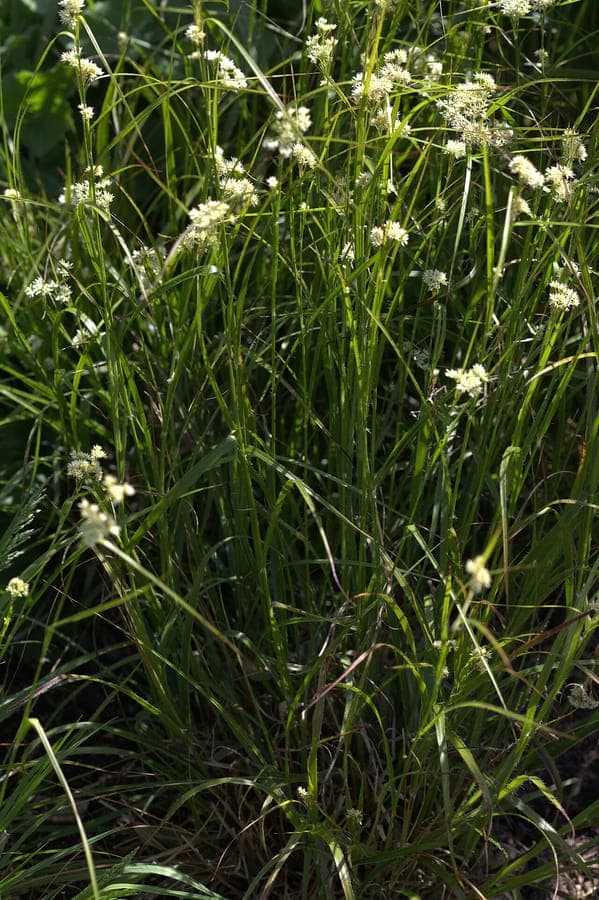
Averater / CC BY-SA 3.0, via Wikimedia Commons
Snow-White Wood-rush (Luzula nivea): complete guide
Luzula nivea
¿Quieres ver Snow-White Wood-rush (Luzula nivea): complete guide en tu jardín?
1 minuto, sin tarjeta de crédito
Overview
Snow-white wood-rush (Luzula nivea) is a delightful perennial grass from the mountains of Western Europe, particularly the Alps and Pyrenees. This is a true shade-lover distinguished by its brilliant, snow-white, glistening flowers.
This plant is ideal for those wanting to fill shade borders with something decorative and interesting. It grows gently in half-shade, where many other flowering plants struggle. The white flowers stand beautifully against dark green foliage.
Appearance and bloom
Luzula nivea grows to about 30-40 cm tall and forms neat, upright growth clusters. The foliage is dark green, narrow, and linear, giving fine grassy texture. The characteristic flowers appear June to August in dense, upright flower clusters.
The flowers are extremely white with snow-white color that literally glitters in shade. They're tiny individual flowers, tightly grouped, giving a soft, woolly appearance. The flowers have silky sheen. This is truly spectacular white flowering in what's usually dark.
Ideal location
Snow-white wood-rush grows optimally in half-shade to light shade. Plant it where it receives morning or evening sun, but no harsh midday sun. In full shade it grows but flowers less richly. In full sun foliage scorches.
This is a mountain plant, so it loves cool conditions. Plant it where it can escape daytime heat. North side of a house or under deciduous trees is ideal.
Soil
Snow-white wood-rush thrives best in moist, humus-rich soil. Heavy clay soils are actually better than light sandy ones. This plant loves when soil stays lightly moist permanently.
Drainage should occur but the plant mustn't dry out. Rich woodland soil, abundant in fallen leaves, is ideal. Acidic to neutral pH (5-6.5) is preferred.
Planting and propagation
Seeding is possible, but division is faster. Much better is dividing the plant in March or April as it awakens from winter dormancy. This gives mature plants immediately.
For seeding: sow carefully in October on seed compost indoors. Seed needs cold period (stratification). Ensure consistently moist seedbed.
Watering
After planting, regular water is essential, especially during growing season. This plant grows best when soil stays lightly moist permanently. It's not drought-tolerant.
In very dry summers extra water may be needed, especially if plant is in half-shade. Mulching with compost helps limit moisture loss.
Maintenance
Snow-white wood-rush requires minimal maintenance. The plant grows neatly and needs little pruning. Remove dead or damaged leaves in spring. After flowering, spent flowers can be removed for neatness, though unnecessary.
The plant spreads gently in groups, which is attractive. Division can occur every three to four years to keep plants fresh and vigorous.
Diseño gratis
¿Quieres ver Snow-White Wood-rush (Luzula nivea): complete guide en tu jardín? Crea un diseño gratis ahora.
Feeding
This plant makes no high nutritional demands. Light feeding once yearly in spring (e.g., compost) suffices. Too much feeding can lead to unwanted luxuriant growth.
Winter hardiness
Snow-white wood-rush is very hardy and tolerates temperatures down to -20 degrees Celsius. It suits all Northern European gardens. In winter it dormant but foliage doesn't disappear.
Ensure good winter drainage. Standing water in wet winters causes more problems than cold itself.
Maintenance calendar
March-April: Awakening and division. Regular watering. Light feeding.
May-June: Growth peak. Regular watering. Flowering preparation.
June-August: Flowering peak. Enjoy snow-white flowers. Water in dry spells.
August-October: Remove dead leaves post-flowering. Winter preparation.
October-February: Winter dormancy. Minimal maintenance. Protect against extreme wet.
Companion plants
Snow-white wood-rush looks attractive beside:
- Other mountain plants (Helleborus, Hepatica, Trillium)
- Dark foliage (Heuchera, Carex nigra)
- Ferns (Polystichum, Dryopteris)
- Shade flowers (Astilbe, Liriope)
- Hostas with colorful leaves - nice contrast
Pests and diseases
This plant is very problem-free. Possible issues:
- Fungal issues in extremely wet conditions (ensure ventilation)
- Slugs can sometimes eat foliage (biological control)
- Aphids rarely problematic
Good housekeeping and ventilation prevent most problems.
Seasonal interest
This is a plant with seasonal value:
- Spring: Fresh new growth
- Summer: Snow-white flowers, stunning in shade
- Fall: Foliage tinges light brown
- Winter: Interesting structure despite dormancy
Ecological value
Snow-white wood-rush is a native mountain plant fitting well with temperate mountain woodlands. The flowers can attract small insects, though not a primary insect magnet. It offers structure and cover for small animals.
Conclusion
Snow-white wood-rush is a valuable, attractive plant for shade borders and woodland-edge gardens. With its brilliant white flowers, low maintenance needs, and preference for cool, moist conditions, it offers many possibilities.
Plant it in half-shade on moist, humus-rich soil. Ensure regular water. This is a mountain plant bringing true charm to your garden's shade zones.
Available through plant nurseries. Explore more shade plants on gardenworld.app.
¿Quieres ver Snow-White Wood-rush (Luzula nivea): complete guide en tu jardín? Crea un diseño gratis ahora.
Sube una foto, elige un estilo y obtén un diseño fotorrealista con lista de plantas en menos de un minuto.
Más de 10.000 jardines diseñados
Sin tarjeta de crédito


Plantas similares
Great wood-rush: complete guide
Luzula sylvatica
Discover Luzula sylvatica, ideal ground cover for large shaded gardens and woodland landscapes. Learn care, growth patterns, and sourcing.
Tufted hairgrass: complete guide
Deschampsia cespitosa
Discover Deschampsia cespitosa, an elegant ornamental grass with fine plumes year-round. Thrives in moist to wet soils and adds winter structure to borders.