
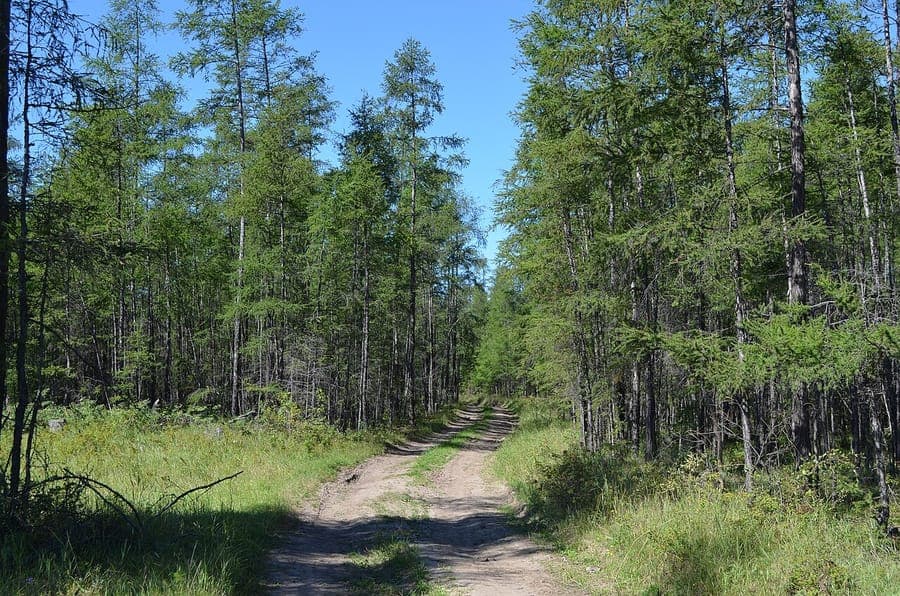
A. L. (loading) / CC BY-SA 4.0, via Wikimedia Commons
Dahurian larch: complete guide
Larix gmelinii
¿Quieres ver Dahurian larch: complete guide en tu jardín?
1 minuto, sin tarjeta de crédito
Overview
The Dahurian larch (Larix gmelinii), also known as Gmelin's larch, is a stunning deciduous conifer native to eastern Siberia. This remarkable tree displays a unique characteristic: unlike most conifers, it sheds its needles in autumn, creating a spectacular golden-orange display before they fall completely.
Appearance and bloom
The Dahurian larch grows to 25-35 meters in its natural habitat. In garden settings, it typically reaches 15-20 meters. The tree features an elegant pyramidal form with slightly drooping branches. The needles are soft and delicate, approximately 2-3 cm long, arranged in bundles. Spring brings reddish male flowers, followed by female cones that mature to a golden-brown hue.
Ideal location
This larch thrives in full sun with at least 6-8 hours of direct light daily. Choose a location with adequate space for the tree's mature spread. The Dahurian larch is extremely hardy (USDA zones 3-7) and tolerates cold winters exceptionally well. Provide shelter from strong winds, particularly when young.
Soil
The Dahurian larch is not demanding regarding soil type. It flourishes in well-draining sandy, clay, and loamy soils. The optimal pH range is 5.5-7.0. Ensure excellent drainage; waterlogged conditions are poorly tolerated. In dry periods, the tree requires more consistent moisture.
Watering
During the growing season (May-September), water regularly, particularly during dry spells. Provide approximately 2-3 liters per week for mature trees. After establishment (2+ years), supplemental watering becomes less critical. Winter precipitation usually meets the tree's moisture needs.
Diseño gratis
¿Quieres ver Dahurian larch: complete guide en tu jardín? Crea un diseño gratis ahora.
Pruning
The Dahurian larch requires minimal pruning. Remove dead, diseased, or damaged branches during late winter (February-March). Avoid forceful shaping; allow the tree to develop its natural form. Young trees benefit from light pruning to encourage balanced structure.
Maintenance calendar
- March-April: Inspect for winter damage; remove dead branches
- May-June: Begin regular watering during dry periods
- July-September: Continue watering; monitor moisture levels
- October-November: Apply liquid fertilizer; needles turn golden and drop
- December-February: Winter dormancy; no maintenance required
Winter hardiness
The Dahurian larch is extremely hardy down to -40°C (USDA zone 3). This makes it ideal for northern European gardens. Late frost damage to new growth is rare. The tree requires no winter protection.
Companion plants
The Dahurian larch pairs beautifully with other hardy conifers such as spruce (Picea) and fir (Abies). Combine with autumn-colored deciduous trees like Japanese maple or sweetgum. Use ground covers beneath, such as heather or cold-hardy ivy.
Closing
The Dahurian larch is a true showstopper in any garden, especially during autumn when the needles turn their brilliant golden color. This is a tree for patience and space, but the reward is worth the wait. Discover more about larch species and garden planning at gardenworld.app. Find personalized designs for your garden on gardenworld.app.
¿Quieres ver Dahurian larch: complete guide en tu jardín? Crea un diseño gratis ahora.
Sube una foto, elige un estilo y obtén un diseño fotorrealista con lista de plantas en menos de un minuto.
Más de 10.000 jardines diseñados
Sin tarjeta de crédito


Plantas similares
Japanese larch: complete guide
Larix kaempferi
Japanese larch (Larix kaempferi) is a refined conifer with delicate feathery needles. The tree sheds needles in autumn with stunning golden-yellow hues.
Siberian larch: complete guide
Larix sibirica
Siberian larch (Larix sibirica) is a majestic deciduous conifer with elegant branches and fine needles. This tree offers golden-yellow autumn color in large gardens.
Eastern larch (Tamarack): complete guide
Larix laricina
Eastern larch (Larix laricina), also called tamarack, is a hardy deciduous conifer that thrives in wet, boggy soils. Ideal for difficult wet locations.