
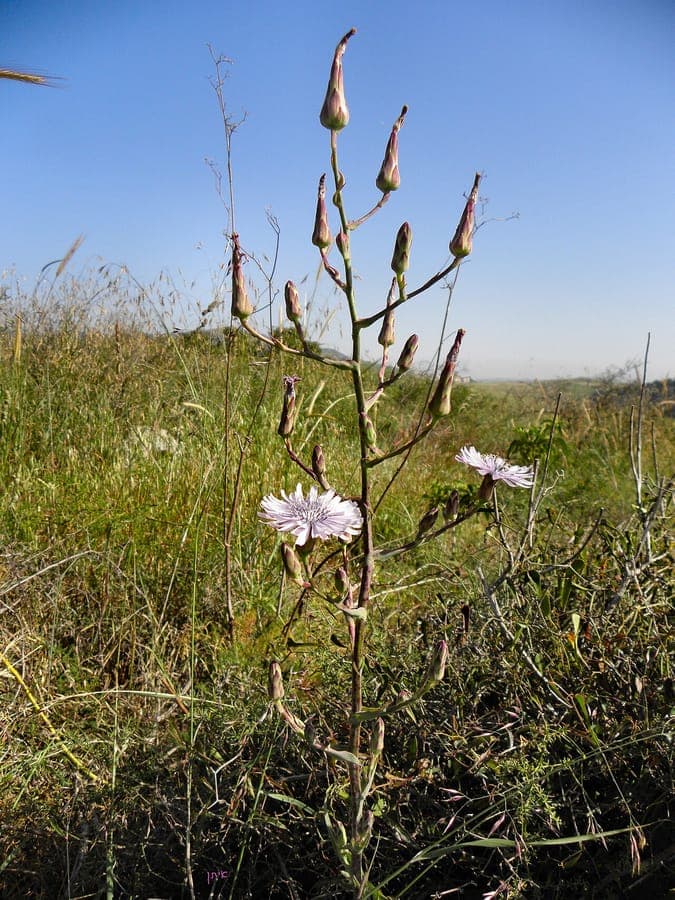
איתן פרמן / CC BY-SA 3.0, via Wikimedia Commons
Tuberlactuca (Lactuca tuberosa): complete growing guide
Lactuca tuberosa
¿Quieres ver Tuberlactuca (Lactuca tuberosa): complete growing guide en tu jardín?
1 minuto, sin tarjeta de crédito
Overview
Tuberlactuca (Lactuca tuberosa) is a fascinating wild relative in the daisy family (Asteraceae), native to Southeast Asia. Unlike common garden lettuce (Lactuca sativa), this plant produces underground tubers suitable for cultivation as food crops. In its native regions, tuberlactuca is valued as a nutritious vegetable with subtle, slightly almond-like flavor.
The plant combines benefits of both leafy greens and root crops, offering adventurous gardeners an interesting growing option. Leaves can be used like lettuce, while tubers resemble small potatoes and offer good nutrition.
Appearance and Bloom
Tuberlactuca is more compact than garden lettuce, reaching 30-50 cm in height with sturdier growth habit. Leaves are dark green, less ruffled than some lettuce varieties, with thicker texture. In optimal conditions, roundish to slightly flattened tubers develop underground, 5-10 cm in diameter.
The plant produces a flower stem with yellow flowers typical of Lactuca species after several months of growth. Bloom period falls in summer and autumn, depending on sowing date.
Superficially, tuberlactuca resembles a cross between lettuce and a root crop, giving it interesting ornamental value in mixed borders.
Ideal Location
Tuberlactuca thrives with 4-5 hours of direct sunlight daily. More sun improves tuber formation, though the plant tolerates part shade (minimum 3 hours sun required).
Grow tuberlactuca in beds, raised boxes, and containers at least 30 cm deep (for tuber formation). In warmer climates, light afternoon shade keeps foliage fresh.
Given its substantial root system, tuberlactuca suits deeper-cultivated soils; heavy clay requires more preparation than shallow lettuce.
Soil
Tuberlactuca requires fertile, well-draining soil. For optimal tuber formation, soil preparation is essential.
Key soil requirements:
- Fertility: Moderate to high (N:P:K approximately 1:1:1 for balanced growth). Incorporate 3-4 kg compost per m² before sowing.
- Structure: Loose, crumbly soil encourages tuber formation; amend heavy soils with sand or coir (40-50% by volume).
- pH: Neutral to slightly acidic (6.0-7.0) is optimal.
- Drainage: Prevent waterlogging; raised beds or channels help in wet regions.
Tip: Incorporate compost weeks before sowing so soil can stabilize.
Watering
Tuberlactuca requires consistently moist but not waterlogged soil. Regular water supply is critical for both leaf and tuber growth.
Watering schedule:
- Summer (June-August): Water daily, ideally deep watering at root zone. 30-40 mm per week is ideal.
- Spring & autumn: 3-4 times weekly suffices.
- Winter/dry season: Less frequent, but never let soil dry completely.
Method: Underground drip irrigation is ideal to keep leaves dry. Hand watering: maintain consistent soil moisture around tubers.
Container-grown: Check daily; dry substrate hinders tuber formation. Mulch (5 cm dried leaves) helps moisture retention.
Diseño gratis
¿Quieres ver Tuberlactuca (Lactuca tuberosa): complete growing guide en tu jardín? Crea un diseño gratis ahora.
Pruning and Maintenance
Tuberlactuca requires less maintenance than many vegetables:
- Weeding: First 8 weeks critical. Weed weekly in early growth phase.
- Thinning: Thin densely-seeded rows to 20-25 cm spacing for optimal tuber growth.
- Leaf harvesting: Pinch outer leaves gently during growth; never remove more than 1/3 per week.
- Pests: Generally robust, but slugs damage young foliage. Beer traps help.
- Disease: Rare, but good ventilation and dry leaves help prevent fungal issues.
Maintenance Calendar
March-April: Soil prep, sow first batch (direct seed or transplants) May-June: Thin, weed management, first leaf harvests July-August: Moisture management critical, supplementary fertilizer if needed, tuber growth intensifies September-October: Prepare tuber harvest (check tuber size), autumn sowing possible November-February: Harvest tubers before frost; store in cool place in sand
Winter Hardiness
Tuberlactuca is not winter hardy (annual). The plant dies at -2°C. In subtropical climates, some variations may be slightly hardier, but no standard winter protection works.
Growing season: April-October in temperate climates. Harvest tubers before first frost.
Storage option: Harvested tubers store in cool, dry conditions (2-5°C, 60-70% humidity) for several months in sand or peat.
Companion Planting
Tuberlactuca benefits from polyculture:
Good companions:
- Carrots: Complementary rooting depths (tuberlactuca shallow to moderate, carrots deep).
- Onion & garlic: Different nutrient spectra; onions deter some insects.
- Herbs: Parsley, chives prevent leaf pests.
- Spinach: Similar watering needs.
Poor companions:
- Cucumber, melon: Moisture competition in wet seasons.
- Brassicas (cabbage, broccoli): Can increase pest pressure.
Closing Remarks
Tuberlactuca offers temperate-zone gardeners a fascinating alternative to conventional salad and vegetable growing. The combination of leaf harvests and tuber crops makes it economically interesting, and the plant thrives in containers for balcony growers.
Once grown, many gardeners become fascinated by this unusual plant. Try tuber harvest in autumn and prepare them as you would small potatoes - they have unique flavor and nutritional value.
Plan your garden layout via gardenworld.app to optimize sun exposure and watering efficiency. With proper preparation and consistent care, tuberlactuca can be a rewarding addition to your garden. Happy growing!
For more tips on unusual vegetables and garden design: visit gardenworld.app and explore your growing potential.
¿Quieres ver Tuberlactuca (Lactuca tuberosa): complete growing guide en tu jardín? Crea un diseño gratis ahora.
Sube una foto, elige un estilo y obtén un diseño fotorrealista con lista de plantas en menos de un minuto.
Más de 10.000 jardines diseñados
Sin tarjeta de crédito


Plantas similares
Lettuce (Lactuca sativa): complete growing guide
Lactuca sativa
Learn how to grow fresh lettuce at home with this comprehensive guide. Tips for continuous harvesting, ideal growing conditions, and popular varieties for spring to fall production.
Lactuca virosa: complete guide
Lactuca virosa
Acrid lettuce grows wild across Europe and North Africa. This intriguing plant contains alkaloid compounds and deserves ecological appreciation.