
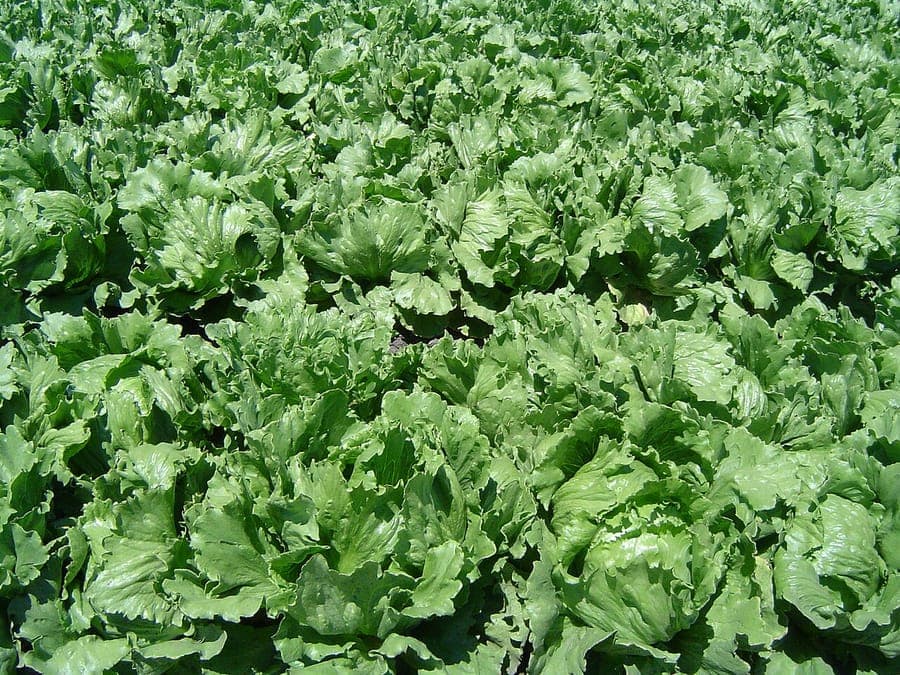
en:User:Geographer / CC BY 1.0, via Wikimedia Commons
Lettuce (Lactuca sativa): complete growing guide
Lactuca sativa
¿Quieres ver Lettuce (Lactuca sativa): complete growing guide en tu jardín?
1 minuto, sin tarjeta de crédito
Overview
Lettuce (Lactuca sativa) is one of the easiest and most rewarding vegetables to grow in temperate gardens. This annual crop from the daisy family (Asteraceae) is fast-growing, adaptable, and can be harvested continuously throughout the growing season. From spring crispheads to autumn butterhead varieties, lettuce suits gardeners of all skill levels.
The scientific name derives from the Latin 'lac' (milk), referencing the milky sap released when leaves break. Lettuce has been cultivated for over 5,000 years, with evidence of ancient Egyptian growing practices.
Appearance and Bloom
Lettuce displays remarkable diversity in form and color. Crisphead types form tight, round heads with pale green inner leaves. Loose-leaf varieties feature curled, delicate foliage in shades of green, red, or bronze. Butterhead and cos (romaine) types have soft, ruffled leaves.
Plant height ranges from 20-35 cm depending on variety. Under heat stress or long days, lettuce 'bolts' - sending up a flowering stem with small yellow flowers followed by seed production. This typically occurs May through September, particularly during hot spells exceeding 25°C.
Bloom period: May to October (varies by sowing date). Small yellow flowers attract pollinators and are edible.
Ideal Location
Lettuce thrives with 3-4 hours of direct sunlight daily, ideally with afternoon shade in summer. On hot south-facing locations, shading between 1:00-5:00 PM prevents premature bolting and improves leaf texture.
Grow lettuce in beds, borders, containers, or fabric bags. Succession planting every 2-3 weeks ensures continuous harvest. Site selection is critical: warm, windy locations stress plants; sheltered spots with filtered midday sun are optimal.
Soil
Lettuce prefers well-draining, compost-rich soil with neutral pH (6.5-7.0). Heavy clay requires amendment with aged compost or coir (30-40% by volume).
Key soil requirements:
- Fertility: Moderate (N:P:K = 1:0.5:0.5). A 2-3 cm compost layer raked in before planting suffices.
- Moisture retention: Consistent moisture produces tender, sweet leaves; allow 25-30 mm water weekly.
- Drainage: Waterlogging causes root rot and fungal disease. Raised beds improve drainage in wet climates.
Tip: Intercrop with carrots (30 cm row spacing) - carrots aerate deeper soil layers for shallow-rooted lettuce.
Watering
Consistent, even moisture produces the best lettuce. Irregular watering causes bitterness and bolting.
Watering schedule:
- Summer (June-August): Water daily, ideally morning (4:00-7:00 AM). During heat waves (>25°C), container-grown lettuce may need twice-daily watering.
- Spring & fall: 3-4 times weekly.
- Winter: 1-2 times weekly under cold frames or row covers.
Method: Drip irrigation or soaker hoses keep foliage dry (prevents mildew). Water at soil level; avoid wetting leaves. Evening watering (5:00 PM+) reduces fungal pressure.
Container lettuce: Check soil moisture daily. Dry soil triggers bitter flavors and bolting.
Diseño gratis
¿Quieres ver Lettuce (Lactuca sativa): complete growing guide en tu jardín? Crea un diseño gratis ahora.
Pruning and Maintenance
Lettuce requires minimal intervention:
- Weeding: Weekly removal in first 6 weeks (slow growth phase). Later, competition less critical.
- Thinning: Thin densely-seeded rows to 10-15 cm spacing for head varieties; 5-8 cm for loose-leaf.
- Pest management: Slugs and aphids are primary pests. Copper tape, beer traps, and row covers offer control. Encourage natural predators (ground beetles, spiders) with perennial flowers nearby.
- Disease prevention: Powdery mildew and downy mildew favor cool, damp conditions. Ensure spacing, avoid foliar watering, and improve air circulation.
Maintenance Calendar
March-April: Soil prep, first sowing (direct seed or transplants) May-June: Succession sow every 2-3 weeks, slug monitoring July-August: Provide afternoon shade in hot climates, increase watering frequency September-October: Plant cold-season varieties (Winter Marvel, Darina), begin fall harvest November-February: Winter varieties under row covers; minimal intervention
Winter Hardiness
Most lettuce is not winter hardy. Standard crisphead and butterhead varieties die at -2°C.
Hardiness by type:
- Crisphead/Iceberg: Not frost tolerant; May-September season.
- Butterhead: Slightly hardier; survives to -1°C with protection.
- Winter lettuce (Winters Marvel, Darina, Revolution): Tolerates -4°C under row covers or low tunnels. Extends season to December-January.
- Cos/Romaine: Hardy to -1°C; good for fall planting.
Protection strategies:
- Row covers (10-20 g/m²) from November onward
- Low plastic tunnels extend harvest to late January
- Variety selection is critical: plant cold-tolerant types only in winter
Companion Planting
Lettuce thrives in diverse polycultures:
Good companions:
- Carrots: Complementary rooting depths; carrots loosen soil structure
- Radishes: Fast-growing; harvestable before lettuce matures
- Brassicas: Different pest spectra; attract beneficial insects
- Parsley: Increases natural enemy populations; improves soil friability
- Chives: Attract pollinators, provide light afternoon shade
Poor companions:
- Cucumbers: Both favor moist soil; disease pressure increases in crowding
- Tomatoes: Sclerotinia (stem rot) risk escalates in dense plantings
Closing Remarks
Lettuce is the perfect entry vegetable for new gardeners and ensures year-round fresh salads with proper variety selection. Homegrown lettuce surpasses store-bought in flavor, texture, and nutrient density - harvest morning-fresh for peak crispness.
Plan your garden layout via gardenworld.app to optimize sun exposure and watering efficiency. With succession planting and variety rotation, a small bed supplies fresh lettuce May through November. Happy growing!
For more vegetable gardening tips and garden design: visit gardenworld.app and explore your growing potential.
¿Quieres ver Lettuce (Lactuca sativa): complete growing guide en tu jardín? Crea un diseño gratis ahora.
Sube una foto, elige un estilo y obtén un diseño fotorrealista con lista de plantas en menos de un minuto.
Más de 10.000 jardines diseñados
Sin tarjeta de crédito


Plantas similares
Calendula stellata: complete guide
Calendula stellata
Complete guide to Calendula stellata, the star-flowered marigold from Sicily: location, soil, watering and companion planting tips.
Korean chrysanthemum: complete guide
Chrysanthemum x rubellum
Chrysanthemum x rubellum is a hardy autumn perennial with single pink to copper flowers from August to November. Care and combinations.
Helianthus divaricatus: complete guide
Helianthus divaricatus
Helianthus divaricatus is a North American woodland sunflower with yellow summer blooms, ideal for naturalistic borders and shady edges.