
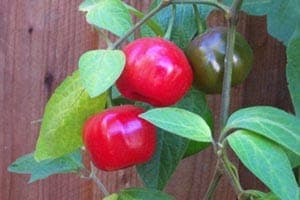
The original uploader was JoeCarrasco at English Wikipedia. / CC BY-SA 3.0, via Wikimedia Commons
Capsicum pubescens: complete guide
Capsicum pubescens
¿Quieres ver Capsicum pubescens: complete guide en tu jardín?
1 minuto, sin tarjeta de crédito
Overview
Capsicum pubescens, known as rocoto or apple pepper, is a remarkable pepper species from the mountainous terrain of South America. This plant distinguishes itself from its closer relatives through its attractive appearance, distinctive flower characteristics, and highly palatable fruits. The rocoto grows not only as a functional kitchen garden plant but also deserves a place in ornamental gardens thanks to its appealing flower display.
Appearance and Bloom
This plant typically reaches a height of 60-90 centimeters and forms a compact, bushy growth pattern. The stems are hairy, which justifies its botanical name. The dark green leaves are lanceolate and possess a characteristic structure. The flowers are striking: they appear in white or light purple tones and are larger than the flower stems of other Capsicum species. The fruits are round-apple shaped, initially green and turn orange to red when ripe. The flavor is intense, fruity, and slightly peppery.
Ideal Location
The rocoto pepper thrives best in areas with abundant sunlight, minimum 6-8 hours of direct sun daily. In Dutch climates, this plant performs best in warm, sheltered locations. A spot against a southern wall or in a greenhouse provides ideal conditions. The plant is not fully winter-hardy in the Netherlands and requires special care during colder months. In indoor gardens, one can use a warm windowsill, preferably in a greenhouse or conservatory.
Soil
Rocoto peppers flourish in nutrient-rich, well-draining soils with a pH between 6.0 and 7.0. A mixture of garden compost, perlite, and sand in a 2:1:1 ratio offers optimal conditions. Ensure well-draining pots if applying container cultivation. Adding organic material such as compost wood helps with water retention and nutrient uptake.
Diseño gratis
¿Quieres ver Capsicum pubescens: complete guide en tu jardín? Crea un diseño gratis ahora.
Watering
These peppers can tolerate drought during short periods but prefer consistently moist soils. Water regularly during the growing season, especially when temperatures are higher. Watch for waterlogging, which can cause root rot. During winter, you significantly reduce watering frequency. A drip irrigation system can be beneficial for container plants.
Pruning
Pruning is important for bushy formation and higher productivity. In spring, remove dead twigs and encourage compact growth by cutting back the main stem halfway. Regular pinching of young shoots promotes branching. Remove lower developing leaves to improve air circulation.
Maintenance Calendar
- March-April: Begin sowing in warm environment. Transplant to larger pots when 2-3 true leaves appear.
- May-June: Plant outdoors in warm, sheltered locations. Apply fertilizer during growth phase.
- July-August: Regular watering and fertilizing. Check for diseases through inspection.
- September-October: Bloom begins. Gradually reduce fertilizing.
- November-February: Winter rest. Water minimally, keep in warm space.
Winter Hardiness
Capsicum pubescens is frost-sensitive and cannot overwinter outdoors in the Netherlands. The plant tolerates temperatures no lower than 10 degrees Celsius. For winter protection, bring plants indoors or use surface protection. During cold periods, a light frame or heated greenhouse can help the plant survive.
Companion Plants
The rocoto grows well beside other heat-loving plants such as eggplants and tomatoes. In gardens, basil, oregano, and other Mediterranean herbs can be beneficial for placement. Avoid companion plants that require much nitrogen, which can stimulate excessive leaf growth at the expense of fruit production.
Closing Remarks
Capsicum pubescens offers years of satisfaction to gardeners willing to provide warm growing conditions. The unique fruit flavors and attractive appearance make rocoto a worthy addition to any food garden hobby. With proper care and attention, this South American treasure blooms in Dutch gardens.
¿Quieres ver Capsicum pubescens: complete guide en tu jardín? Crea un diseño gratis ahora.
Sube una foto, elige un estilo y obtén un diseño fotorrealista con lista de plantas en menos de un minuto.
Más de 10.000 jardines diseñados
Sin tarjeta de crédito


Plantas similares
Solanum dolichosepalum: complete guide
Solanum dolichosepalum
Discover Solanum dolichosepalum, an Andean nightshade with striking long sepals. Growing tips, hardiness, and companion planting for your patio.
Solanum ripense: complete guide
Solanum ripense
Discover Solanum ripense, a moisture-loving Andean nightshade for pond edges and conservatories. Growing tips, hardiness, and companions.
Solanum tomentosum: complete guide
Solanum tomentosum
Discover Solanum tomentosum, a thorny South African nightshade with felted leaves. Growing tips, hardiness, and companion planting ideas.