
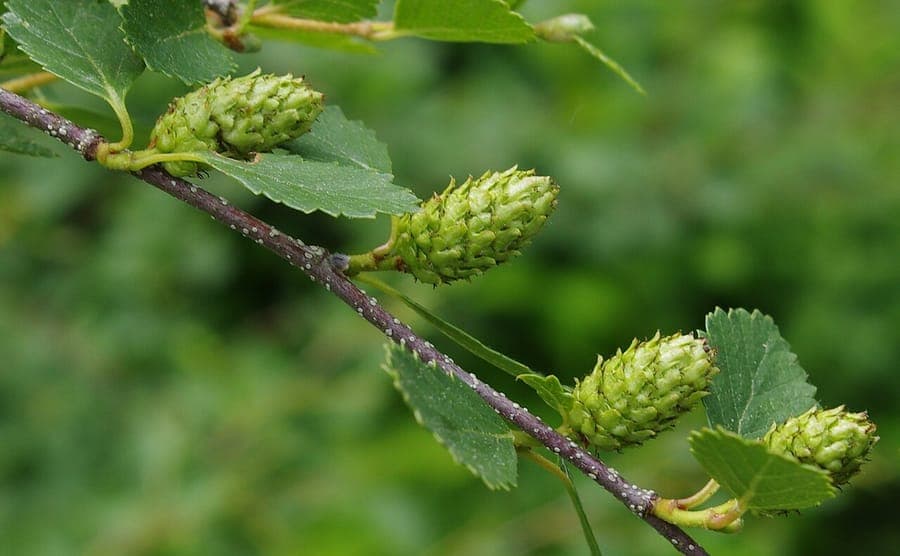
El Grafo / CC BY-SA 3.0, via Wikimedia Commons
Resin Birch: complete guide
Betula glandulosa
¿Quieres ver Resin Birch: complete guide en tu jardín?
1 minuto, sin tarjeta de crédito
Overview
Betula glandulosa, also known as resin birch or glandular birch, is a small dwarf birch that naturally occurs in the northern parts of North America and Siberia. This semi-evergreen shrub belongs to the Betulaceae family and is prized for its hardiness in extreme climates. With its fine, glandular leaves and characteristic whitish stem attitude, Betula glandulosa offers unique structure and texture to gardens in cold climates.
The plant is highly valuable for gardens in arctic and subarctic conditions, as well as for natural, ecologically responsible landscapes. Its rapid growth rate and minimal maintenance requirements make it perfect for gardeners who want a native plant that requires little attention.
Appearance and bloom
Betula glandulosa grows as a low, compact shrub usually 50 cm to 2 meters tall, depending on growing conditions and variety. The leaves are small, oval, and dark green, with a characteristic glandular (sticky) surface that gives the plant its name. In fall, the leaves turn beautiful yellow to orange tints.
In spring, catkins appear that are subtly interesting. The stem and branches have a whitish to grayish color, providing a beautiful contrast against snow and dark winters.
The plant has no spectacular bloom but offers structure through its stance and fine foliage. This makes it ideal for contemporary gardens with a focus on natural, minimalist designs.
Ideal location
Betula glandulosa thrives best in full sun to partial shade locations. The plant needs at least 4 to 6 hours of direct sunlight daily. The plant is very wind-resistant and grows well in open, exposed locations.
This is a perfect choice for mountain gardens, cold climate gardens, and wetland areas. The plant is also suitable for coastal gardens where salt wind can occur.
In areas with much warmer summers, some protection from midday sun is beneficial. The plant can grow in the ground or in large containers.
Soil
Betula glandulosa is not particular about soil type as long as it drains well. The plant prefers well-draining, sandy, or peaty soils. The plant also grows in rocky or gravelly soils.
The pH preference is around neutral to slightly acidic (pH 4.9-6.5 according to Trefle data). The plant can grow in moister soils than many other birches, making it suitable for swamps and poorly draining gardens.
The plant requires minimal nutrition. Excessive feeding can lead to thinner, paler foliage. No supplemental fertilizing is needed.
Diseño gratis
¿Quieres ver Resin Birch: complete guide en tu jardín? Crea un diseño gratis ahora.
Watering
Betula glandulosa prefers consistently moist soil. Young plants should be watered regularly until well established. Once established, the plant can tolerate both drought and excess moisture well.
The plant thrives in peaty soils that remain moister. In dry climates, supplemental water may be needed during the growing season.
In regions with regular rainfall and cold winters, supplemental water is usually not needed. Ensure drainage and prevent pooling.
Pruning
Betula glandulosa requires virtually no pruning. The plant grows naturally compact and forms an attractive shape on its own. Only damaged or dead branches can be removed in early spring.
It is better not to intervene with pruning unless absolutely necessary. The natural form is often the most beautiful.
Maintenance calendar
January-February: Rest period. Check for snow damage. March-April: Growth begins. Remove damaged branches. May-June: New foliage appears. Full growth. July-August: Peak growth period. Monitor for drought. September-October: Fall color develops. Winter preparation. November-December: Rest period. Snow covers plant.
Winter hardiness
Betula glandulosa is extremely winter-hardy and can tolerate temperatures far below -30 degrees Celsius. This is one of the hardiest shrubs for extreme northern climates.
The plant is, however, susceptible to late spring frosts that can damage new growth. In very extreme climates, mulching around the base can be beneficial.
Winter damage is rare except in exceptional circumstances. The plant is perfect for garden design in Canada, Scandinavia, and other arctic areas.
Companion plants
Betula glandulosa combines well with:
- Other dwarf birch species
- Arctic willows (Salix)
- Ericaceous plants (Erica, Calluna)
- Marsh plants
- Arctic grasses
- Mountain lavender
- Gaultheria
These combinations create arctic garden effects.
Closing thoughts
Betula glandulosa is a fascinating plant for gardeners in cold climates. With its fine texture and hardy nature, it offers a valuable addition to arctic and alpine gardens. Perfect for native plant-based, ecologically responsible projects.
For this plant, visit local garden centers for advice on cold hardy birch species. gardenworld.app offers inspiration and garden designs specifically for cold climates.
¿Quieres ver Resin Birch: complete guide en tu jardín? Crea un diseño gratis ahora.
Sube una foto, elige un estilo y obtén un diseño fotorrealista con lista de plantas en menos de un minuto.
Más de 10.000 jardines diseñados
Sin tarjeta de crédito


Plantas similares
Heart-leaf birch: complete guide
Betula cordifolia
Heart-leaf birch is an attractive North American birch tree for large gardens. Discover growth, white papery bark and winter hardiness.
Tropical hornbeam: complete guide
Carpinus tropicalis
Everything about Carpinus tropicalis, the tropical hornbeam from Central America. Growing tips, location, care, and garden use explained.
Japanese Alder (Alnus firma): complete guide
Alnus firma
Learn everything about Japanese Alder in our complete guide. Discover care, growth, and applications for larger gardens.