
Heart-leaf birch: complete guide
Betula cordifolia
¿Quieres ver Heart-leaf birch: complete guide en tu jardín?
1 minuto, sin tarjeta de crédito
Overview
The heart-leaf birch (Betula cordifolia) is an attractive deciduous tree from the Betulaceae family, native to eastern North America. This native birch naturally grows in mountain meadows, woodland edges and mountain slopes at 500-1500 meters elevation, especially in Canada and the northeastern United States. The tree is also known as mountain white birch, heart-leaved birch or mountain birch.
The tree is a mid-sized to large tree reaching up to 25 meters in height, with a naturally elegant form and very attractive white papery bark. This is one of the most beautiful birch trees, highly suitable for large gardens, parks and woodland edge plantings. The tree grows rapidly, is hardy and low-maintenance.
Appearance and bloom cycle
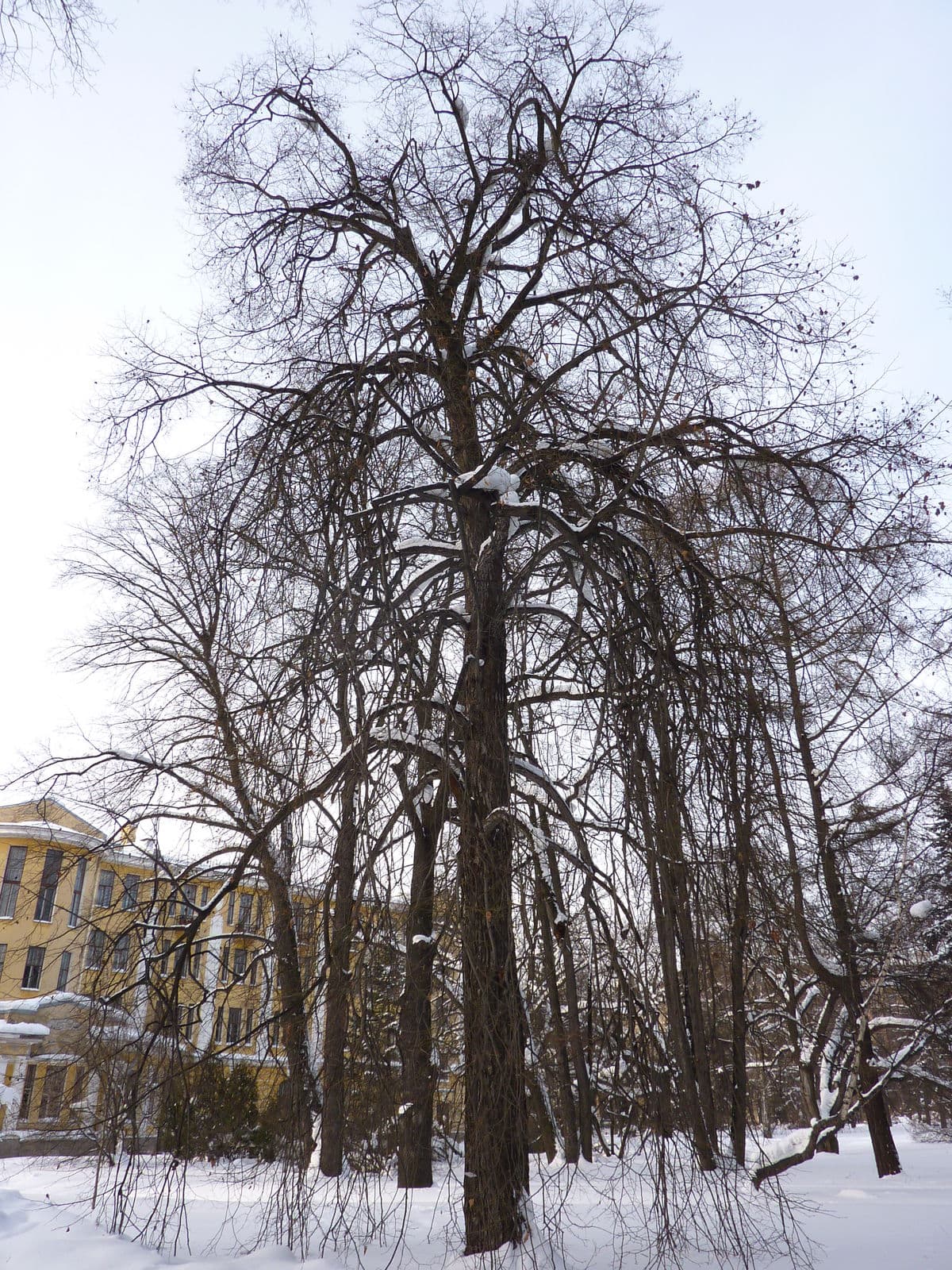
The heart-leaf birch grows into a beautifully shaped tree 15-25 meters tall with naturally upright form and densely branched crown. The trunk is white to cream-white with dark brown lenticels (pores), characteristic papery bark that peels in elegant strips on older specimens.
The leaves are heart-shaped (hence the name), approximately 5-9 cm long and 3-6 cm wide, dark green on the upper side and lighter underneath. The leaves have fine serrated edges and display golden-yellow fall color.
Flowers appear in April-May, forming hanging catkins (male catkins) approximately 6-8 cm long and smaller female catkins. After blooming, small yellow fruits (winged seeds) develop. The tree is dioecious (male and female flowers on different trees).
Ideal location
The heart-leaf birch grows best in a fully sunny location. At least 4-6 hours of direct sunlight is essential for compact growth and attractive bark color. The tree tolerates very light part shade but grows less vigorously.
This birch is highly suitable for woodland edge plantings and mountain meadow imitations. The tree can also grow in full wind exposure, although some protection is beneficial. Position the tree where its mature size (up to 25 m tall) can be accommodated.
The tree is less suitable for lowland city conditions due to its preference for mountainous conditions, but grows well in cool temperate climates.
Soil requirements
The heart-leaf birch is not picky regarding soil type but grows best in well-drained, fertile soils. The ideal pH is between 5.0 and 7.0, thus acidic to neutral. The tree tolerates acidic soils (down to pH 4.5) and can also grow in slightly alkaline soils (up to pH 7.5).
The tree tolerates compact, clayey soil better than some other Betula species, but sandy and loamy soils are considerably better. Ensure good drainage to prevent water stagnation. Despite its preference for moderately moist soil, the tree, once established, is fairly drought-tolerant.
Addition of compost or ripened organic material at planting aids root establishment. Add nutrients at planting for better initial growth.
Watering
After planting, young trees need regular watering, especially during the growing season (April through September). Ensure the soil remains moist approximately 10-15 cm deep, but not waterlogged. During periods of natural rainfall, supplemental irrigation can usually be stopped.
Older, established trees are fairly drought-tolerant and under normal conditions require no supplemental irrigation except during prolonged dry periods. In such cases, thorough soaking is beneficial.
Avoid heavy, daily watering. Place drip irrigation approximately 1-2 meters from the trunk. Mulch around the tree helps retain moisture.
Pruning
The heart-leaf birch grows in natural balance and does not require much formal pruning. In the first few years after planting, gentle formative pruning can help shape the tree structure, but this is optional.
Remove dead, damaged, or crossing branches as needed. This can best be done in late winter (February) or early spring (March) before the growing season begins. Heavy pruning can disturb form.
In woodland edge plantings, maintenance pruning at 2-3 meters height for pedestrians may be needed.
Diseño gratis
¿Quieres ver Heart-leaf birch: complete guide en tu jardín? Crea un diseño gratis ahora.
Maintenance calendar
March-April: Check for winter damage; perform gentle formative pruning if needed. Apply organic fertilizer around the tree.
May-June: The tree flowers with characteristic catkins. No further interventions needed.
July-August: Monitor for drought stress, especially young trees. Seeds ripen.
September-October: Seeds fall. Foliage turns golden-yellow. The tree prepares for dormancy.
November-January: Tree is dormant. No work needed.
Winter hardiness
The heart-leaf birch is very winter-hardy and suitable for USDA hardiness zones 3-8 (European zones 3-8). This means the tree can withstand exposure to temperatures down to -30°C without serious damage. In most of Europe, including the Netherlands, Belgium, Germany and France, this tree is completely winter-hardy.
Once established, mature specimens require no winter protection. Young trees may benefit in their first winter from mulching around the base (15-20 cm) to provide extra root protection. Remove this mulch in spring to prevent disease.
The tree tolerates wet freezes and repeated freeze-thaw cycles well.
Companion plants
The heart-leaf birch combines well with other mountain plants and woodland edge elements. Consider: other native trees such as oaks and maples, woodland edge shrubs, and underplanting with shade-tolerant plants.
At the tree edge, ornamental shrubs can thrive, such as Rhamnus frangula, Cornus alba and Viburnum species. For sunny underplanting: Rudbeckia, Achillea and Salvia nemorosa.
It forms a beautiful combination with other light birch trees and in woodland edge planting schemes.
Propagation
The heart-leaf birch is typically propagated from seed, as the tree produces abundant seed with reasonably good germination rates. Collect the winged seeds in September through October once female catkins have turned brown and dry. Sow seed preferably immediately after harvest in a well-draining seed mix of sand and compost, lightly covered with a thin layer of soil. Much seed requires a cold stratification period of 8 to 12 weeks at 1 to 4 degrees Celsius to germinate well; this can be achieved by storing seed outdoors in a cold frame or in the refrigerator in moist sand.
Grafting and cuttings are technically possible but rarely used due to low success rates in birches. Commercial nurseries often use grafted or tissue-cultured specimens for uniform growth characteristics.
Pests and Diseases
The heart-leaf birch is generally fairly resistant but can encounter several common birch pests. Bronze birch borer (Agrilus anxius) is the most concerning threat in North America, though this pest is less common in Europe. Stressed trees are more susceptible; keep the tree vigorous with adequate watering during drought.
Birch sawfly can cause leaf damage in summer, recognizable by chewed leaf margins. This is mostly cosmetic and rarely requires treatment. Rust disease can cause yellow to orange spots on foliage in humid summers; remove affected leaves in autumn to limit spore overwintering.
Aphids sometimes cluster on young shoots and produce honeydew. Natural predators such as ladybugs usually keep populations under control without intervention.
Closing
The heart-leaf birch represents a classic choice for those seeking an attractive, reliable tree with characterful white bark. With minimal maintenance requirements and excellent hardiness, it is a valuable addition to large landscapes and woodland edge plantings. GardenWorld advisors help with landscape planning. Visit GardenWorld for garden design and GardenWorld plant database for further data.
¿Quieres ver Heart-leaf birch: complete guide en tu jardín? Crea un diseño gratis ahora.
Sube una foto, elige un estilo y obtén un diseño fotorrealista con lista de plantas en menos de un minuto.
Más de 10.000 jardines diseñados
Sin tarjeta de crédito


Plantas similares
Tropical hornbeam: complete guide
Carpinus tropicalis
Everything about Carpinus tropicalis, the tropical hornbeam from Central America. Growing tips, location, care, and garden use explained.
Japanese Alder (Alnus firma): complete guide
Alnus firma
Learn everything about Japanese Alder in our complete guide. Discover care, growth, and applications for larger gardens.
Corylus heterophylla: complete guide
Corylus heterophylla
Siberian hazel offers early catkins and bird-attracting hazelnuts. Hardy, easy shrub for garden design. Discover planting and care strategies.