

Replace your fence with hedges or pleached trees
By the GardenWorld editorial team, updated on
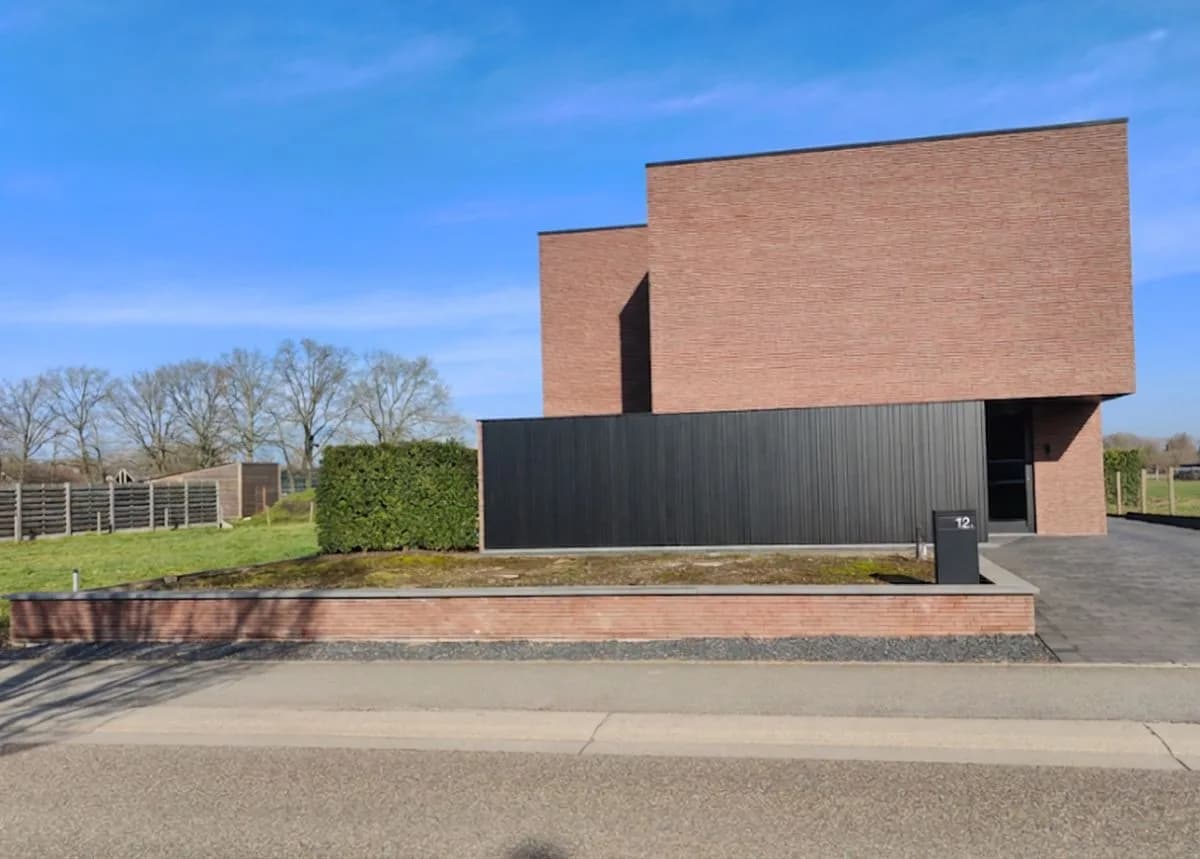
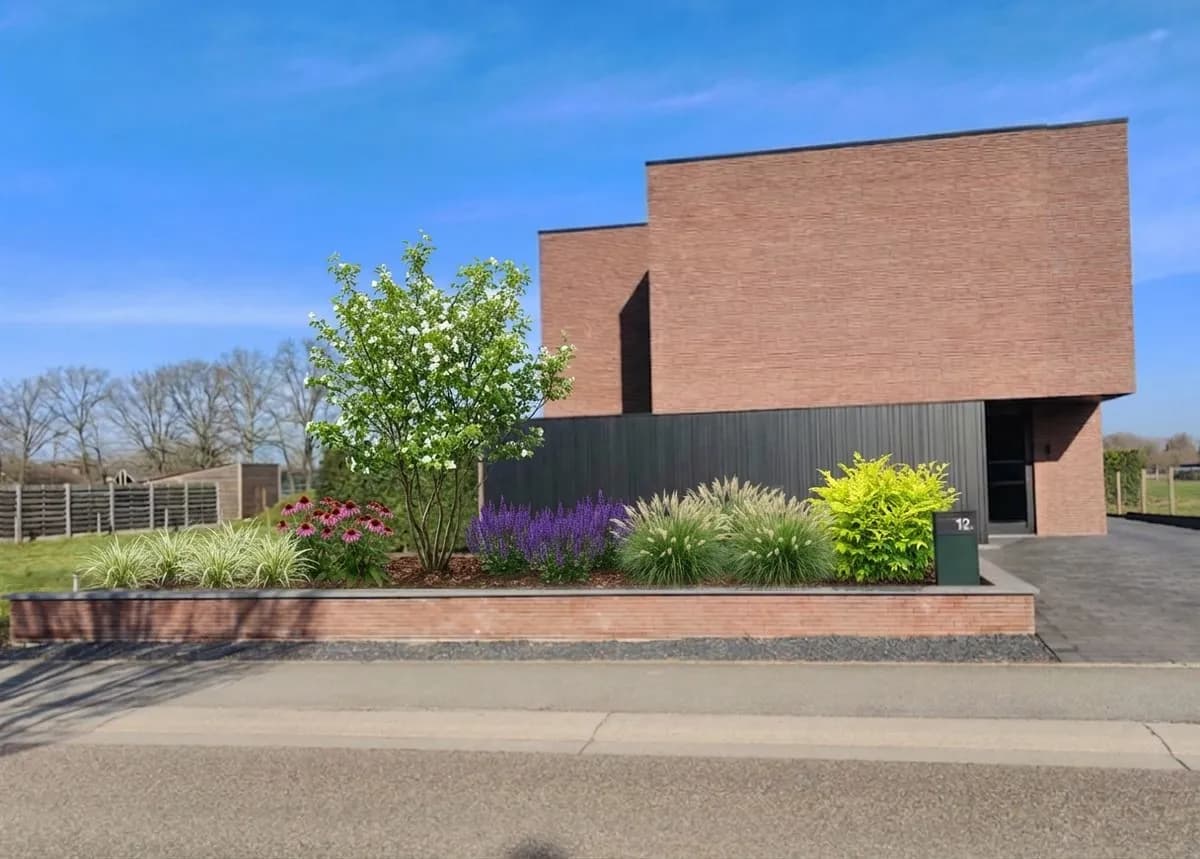
Want to see this in your garden?
Full design in HD: €7.99
Why replace your fence with green
Your wooden fence is ugly, expensive, and demands constant care: paint, repairs, rot. Weeds grow underneath. And privacy: a rigid wall makes your garden feel like a box. A hedge or row of pleached trees does the same job but offers far more: birds, bees, spring greenery, and your garden breathes. This guide helps you choose. Not every hedge suits every soil, and not every budget feels the same. We go through the options and tell you what you need.
Hedge types: width, growth speed and patience
A hedge grows from nothing to two metres tall. What you choose depends on your soil, shade, and how long you are willing to wait.
Ilex crenata (Japanese holly)
This is the hedge that replaces boxwood. Grows to 50 to 80 cm wide, evergreen. Slow growth (10 to 15 cm per year), so patience: ten years to reach two metres tall. Costs about 25 to 35 euros per running metre for young plants. Lives 40 to 60 years. Clips tight and dense. Perfect if you want a formal look. Only drawback: loves moderately moist soil, not wet, not dry. In dry, sandy soil you need watering in dry spells. This is the perfect choice if you want a Japanese garden or a super strict, formal layout. They also tolerate some shade, up to half the day in sun.
Privet (Ligustrum ovalifolium)
Fast growth (30 to 40 cm per year). In two to three years you have privacy. Much lighter than holly, glossy yellow-green foliage. Semi-evergreen: it keeps most of its leaves in a mild winter, and drops them only in hard frost, when young shoot tips can also die back. Costs less, about 12 to 18 euros per running metre. Clip twice yearly (May and August). Privet loves sun to half-shade and grows in almost any garden soil. Perfect if you want quick results without waiting years.
Taxus (Yew hedge, Taxus baccata)
The classic refined hedge. Incredibly slow growth (5 to 10 cm per year). Twenty years to reach two metres. Evergreen, dense and fine. Worth the wait: lives one hundred years. Costs about 40 to 60 euros per running metre. Yew tolerates half-shade to shade. Full sun needs extra watering. Important: yew is toxic, not just to livestock but also to people and pets. The red seed cones and the needles contain taxine. Do not plant it right next to a play area with young children, and clear away any clippings straight away, especially where dogs roam.
Cherry laurel (Prunus laurocerasus)
Strong growth (25 to 40 cm per year). Evergreen, large glossy leaves. In three to four years a beautiful hedge. Price: 20 to 35 euros per running metre. Loves moderately moist soil and half-shade. Full sun brings dullness in dry years. Prune in May and October. Susceptible to shothole disease in very wet gardens.
European beech (Fagus sylvatica)
Foliage falls in winter but stays brownish in place. Moderate growth (20 to 30 cm per year). Costs 15 to 25 euros per running metre. Perfect for period gardens. Long wait: ten to fifteen years to mature. Loves sandy soil; struggles on heavy clay.
Pleached trees: linden and sycamore
These are trees trained flat against wires. Much roomier than a hedge, more architectural. Cost more but deliver impact. They look elegant and give your garden a country estate feel. Not sure a pleached tree suits the rest of your garden? On gardenworld.app you see it first in a preview of your own garden.
Pleached linden (Tilia x europaea)
The classic choice for large gardens and country homes. Grows to 3 metres tall (if you want) and 1.5 to 2 metres wide. Beautiful fragrant flowers in June-July. Foliage falls in winter. Training: you tie branches to wires or wooden frameworks. First three to four years of work, then twice-yearly pruning (June and August). Big footprint: you need at least 3 metres height and 4 metres length. A six-year-old pleached linden (already shaped) costs 300 to 600 euros, growth and training included. A young tree to shape yourself: 30 to 50 euros but then you wait a long time.
Pleached plane (Platanus x hispanica)
Larger, more vigorous than linden. Can be trained to 4 metres tall. Foliage falls in November. Very strong growth (60 to 80 cm per year). Peeling bark, interesting in winter. Price: equally expensive or dearer: 250 to 500 euros for six-year-old trees. Need: lots of space (5 metres wide minimum). Loves deeply prepared soil.
Free preview
Create your own garden design
Full cost: what will you actually spend?
Per running metre of hedge (your fence is likely 10 to 50 metres):
- Privet, pre-grown: plants 12 to 18 euros, fast growing in two years. Ground preparation (soil prep, mulch) another 10 euros per metre. Total: 22 to 28 euros per metre. For 30 metres so about 660 to 840 euros in material.
- Ilex crenata: plants 25 to 35 euros, slow but dense. Plus ground work 10 euros. Total: 35 to 45 euros per metre. For 30 metres so 1,050 to 1,350 euros total.
- Taxus: priciest. Plants 40 to 60 euros per metre, ground work 10. Total: 50 to 70 euros per metre. For 30 metres so 1,500 to 2,100 euros.
- Pleached trees (linden): not by the metre, individually. Per tree 300 to 600 euros. For a 20-metre hedge you need 4 to 5 trees: 1,200 to 3,000 euros total.
Add extra for pruning work in the first year (100 to 200 euros) and ongoing tree care. The total investment pays for itself: removing and replacing a wooden fence (removal, new build) also costs 1,500 to 3,000 euros or more.
Ground preparation and timing
Your old fence: removing it is work. Wood needs stripping, posts dug out. DIY or hire a gardener: 50 to 100 euros per hour, one to two days for 30 metres. A professional firm does it in two days, costs about 200 to 400 euros total.
Improve the soil immediately: the soil under a fence is hard and poor. Dig it out, add mixture (compost, garden soil), work in compost. That makes the difference in hedge growth. Poorly prepared soil: the hedge grows slowly. Well-prepared soil: grows twice as fast.
Plant in October, November or March. Autumn is better: plants have months to root before spring growth. They start stronger in April. Same for pleached trees. A linden prefers October to May planting.
Water in the first year: twice weekly in dry spells (May to September). Mulch (bark, compost) holds moisture and suppresses weeds.
Height and neighbour relations
Your neighbours: generally, a hedge or pleached tree right on the boundary may grow to about 2 metres without permission. Taller only with written consent of your neighbours. Check your local council too; some municipalities have their own stricter rules.
Growing into your neighbour's space: you can grow, but branches overhanging their boundary must be trimmed. Less conflict if you position the hedge correctly from the start (at least 50 cm from the property line) and tell your neighbours beforehand. This preparation saves years of frustration.
Maintenance difference
A wooden fence needs paint and checking every year. Hedge needs pruning twice yearly (two to three hours work for 30 metres). Pleached trees need pruning twice yearly (more work, more finesse).
But: no rot, no splinters, no paintwork, no chemicals. Much less hassle. The hedge also looks better, especially in spring with green and in autumn with bird food.
Step by step
Step 1: Get three quotes
Ask a gardener or landscaper for estimates. You say: "Remove fence, prepare ground, plant hedge." Three opinions, three prices. Much depends on ground prep, not the plants.
Step 2: Test your soil
Send a soil sample to a lab (about 50 euros). Then you know if you have sand, clay or peat. Privet loves sand. Ilex likes it dry. Laurel likes moisture.
Step 3: Choose your species
Fast and young? Privet. Elegant and slow? Yew. Lots of space and budget? Pleached trees. Small and tight? Ilex.
Step 4: Order and plant
October onwards. Order two to four weeks ahead. Hedge plants are freshly dug in bulk at this time. June-July possible but less ideal (heat, drying out).
Step 5: Set up a pruning calendar
First prune: May (let frost-free growth continue). Second prune: August (stronger regrowth). After two years: more structure, finer detail.
Frequently asked questions
Can I leave my old fence standing and plant the hedge against it?
Not really. Wood rots away in ten years and does not support the hedge. Better: remove it and clear the soil.
Which hedge grows in shade?
Yew and holly (Ilex). Privet or linden only in at least four hours of sun.
How old is a mature hedge?
Privet: two to three years. Ilex: ten to twenty years. Pleached trees: five to ten years with training. Patience is the art.
Can I train pleached trees without experience?
Yes, but slowly. Buy books, watch tutorials. The first four years need attention. With patience it works.
See it in your own garden first
Unsure which hedge looks best on your site? Take a photo of your garden on gardenworld.app and see a design with these hedge alternatives at no cost. The sharp, ready-to-order version (plant list with names, sizes and suppliers) costs a one-off 7.99 euros, no subscription.
Create your own garden design
Upload a photo, pick a style, and get a photorealistic design with plant list in under a minute.
Full design in HD: €7.99
Related articles
 Garden Layout
Creating garden privacy without boxing yourself in
Want more privacy in your garden? Smart solutions with planting, screens and level changes that stay open and green.
 Garden Layout
Divide garden zones without fences: hedges, levels, and planting
Fences feel rigid and stiff. Divide your garden into zones using hedges, level changes and plantings for more space and naturalness.
 Garden Layout
Small garden design: how to make every square metre count
Smart tricks to make a small garden feel bigger. From mirrors to vertical planting, get the most from your outdoor space.