
Walter Siegmund (talk) / CC BY-SA 3.0, via Wikimedia Commons
Alaska yellow-cedar: complete guide
Xanthocyparis nootkatensis
Want to see Alaska yellow-cedar: complete guide in your garden?
1 minute, no credit card
The Alaska yellow-cedar, scientifically known as Xanthocyparis nootkatensis, is a stunning conifer native to the coastal regions from Southeast Alaska to Northwest California. This impressive tree is prized for its elegant, pendulous branches and fine, scale-like foliage that displays a characteristic golden-green sheen in sunlight. In its natural habitat, this tree reaches 40 meters in height, but in gardens it typically reaches 10 to 25 meters. The tree forms a beautiful, conical shape and is ideally suited for large gardens, parkland settings and as a striking focal point.
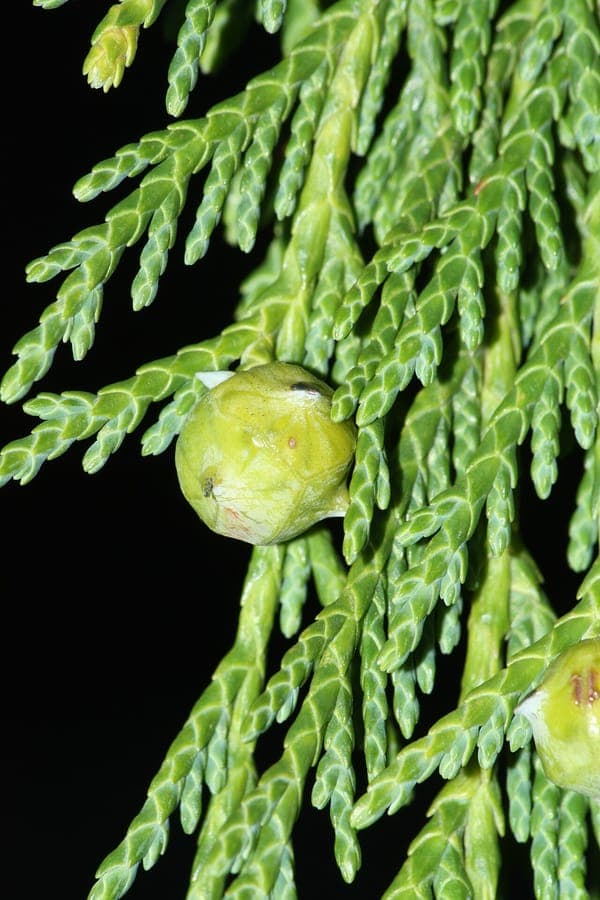
The primary feature of Alaska yellow-cedar is its fragrant wood and drooping twigs that, especially on windy days, sway gently. The bark is reddish-brown in colour and grooves slowly as the tree ages. The cones are very small, approximately 1 centimetre long, giving the tree a very fine texture. Both types of reproductive structures are present on the same tree, which means you have a complete plant without needing two trees.
In terms of growth, Alaska yellow-cedar is relatively fast-growing for a conifer, especially when young. It can easily grow 30 to 50 centimetres per year under favourable conditions. The tree prefers moist soils and performs well in clay to sandy soils with good drainage. Full sunshine is ideal, but it tolerates partial shade. The tree is very hardy to about -35 degrees Celsius (USDA zones 3 to 8) and can therefore be cultivated almost anywhere in Europe.
When planting an Alaska yellow-cedar, choose a location with some protection from strong winds, as the long branches can break. Plant it in autumn or early spring in moist, well-draining soil. Add compost or peat to the planting hole to improve drainage and retain moisture. Water regularly during the first growing season, especially during dry periods.
Maintenance is minimal. Alaska yellow-cedar normally requires no pruning, but you can remove dead branches as you notice them. If you wish to shape it, do so carefully in early spring. Fertilise annually in early spring with a balanced garden fertiliser or special conifer feed. This helps the tree maintain its glossy golden-green colour.
Diseases and pests are rare in healthy Alaska yellow-cedars. However, in very wet conditions, fungal problems can occur. Ensure good drainage and air circulation around the tree to prevent this. Spider mites can occur in dry, hot years, so watering during periods of drought helps.
Alaska yellow-cedar is available at specialised tree nurseries and larger garden centres. In England, trusted retailers such as RHS partner garden centres are good addresses. Make sure you buy a young specimen that is stably packaged, with healthy foliage and no signs of damage.
The scent of the wood is remarkably pleasant, especially when you brush through the foliage. Many people use small pieces of the tree as air freshener in wardrobes and cabins. This is also why the tree is becoming increasingly popular in modern garden design, where both elegance and fragrance are valued.
For those who wish to add a classic, graceful conifer to a larger property, the Alaska yellow-cedar is an exceptional choice. With its pendulous branches, fine texture and fragrant wood, this tree creates an unforgettable visual and aromatic effect throughout the year.
Want to see Alaska yellow-cedar: complete guide in your garden? Make a free design now.
Upload a photo, pick a style, and get a photorealistic design with plant list in under a minute.
No credit card required


Similar plants
Cupressus macnabiana: complete guide
Cupressus macnabiana
The Fragrant Cypress offers elegant growth with fine, aromatic foliage. Perfect for temperate climates and as specimen trees in contemporary gardens.
Cupressus guadalupensis: complete guide
Cupressus guadalupensis
The Guadalupe cypress: an elegant conifer for gardens. Complete cultivation guide for this Mexican cypress. Information about care, location, form and maintenance.
Austrocedrus chilensis: complete guide
Austrocedrus chilensis
Discover Austrocedrus chilensis, the Chilean Cedar ornamental conifer. Elegant specimen with fine foliage and columnar form for permanent structure.