
Wikimedia Commons / CC BY-SA 3.0, via Wikimedia Commons
European grape: complete guide
Vitis vinifera
Want to see European grape: complete guide in your garden?
1 minute, no credit card
Overview
Vitis vinifera, the European grape, is a classic vine cultivated for thousands of years for both table grapes and wine production. Native to Southern and Eastern Europe – from Greece to Hungary – it thrives in temperate climates and is increasingly popular in home gardens across the UK and North America. With its vigorous climbing habit and lush foliage, this plant adds both beauty and bounty to any outdoor space.
If you're looking to grow fruit that's both delicious and decorative, Vitis vinifera is an excellent choice. The vine can reach up to 15 meters when supported properly, making it ideal for pergolas, trellises, or sunny walls. On gardenworld.app, you can design a garden layout tailored to your grapevine's needs, including sun exposure, support structures, and spacing.
Appearance & bloom cycle
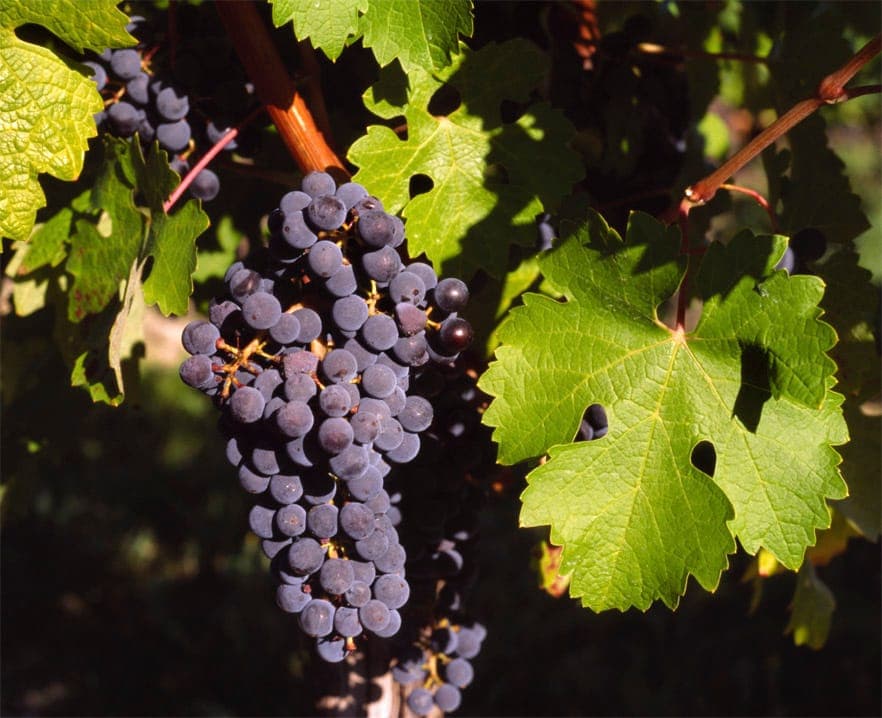
The European grape has a climbing growth habit, using tendrils to attach itself to supports. Its leaves are palmate, typically 10–20 cm wide, with five lobes and a bright green color that turns golden or bronze in autumn. From late spring to early summer, small greenish flowers appear, often going unnoticed but essential for fruit set.
Fruit clusters begin forming in early summer and ripen from late August through September, depending on the cultivar and local climate. Berries vary in size, color, and flavor – from crisp green 'Thompson Seedless' to deep purple 'Pinot Noir'. Each variety has a specific growing season, usually between 100 and 160 days from bud break to harvest.
Ideal location
This vine loves sun – aim for at least 7 out of 10 on the light scale. Plant in a south- or southwest-facing spot to maximize heat and sunlight. A wall or fence that absorbs and reflects warmth is ideal. Ensure at least 6–8 hours of direct sunlight daily for proper fruit maturation.
Good air circulation is crucial to prevent fungal diseases like powdery mildew and downy mildew. Avoid planting near dense shrubs or under tree canopies. Urban gardens benefit from thermal mass – brick or stone walls help maintain warmth. Use gardenworld.app to analyze sun patterns and microclimates in your garden before planting.
Soil requirements
Vitis vinifera prefers well-drained soil with a pH between 7.0 and 7.5. It tolerates a range of soil types, from sandy loam to clay, as long as water doesn't pool. Heavy soils should be amended with grit or compost to improve drainage.
Roots can extend 1–2 meters deep, so avoid compacted subsoil. A planting hole of at least 60x60x60 cm is recommended. Do not fertilize in the first year. In the second year, apply a light organic feed in early spring – well-rotted manure or compost works well.
Free design
Want to see European grape: complete guide in your garden? Make a free design now.
Watering
Young vines need consistent moisture during their first two growing seasons. Water deeply once or twice a week with 10–15 liters per plant, especially during dry spells. Once established, the vine becomes drought-tolerant but produces better fruit with regular, deep watering.
Always water at the base to keep foliage dry and reduce disease risk. Avoid overhead irrigation. Drip irrigation systems are highly effective. During ripening (July–August), reduce watering slightly to concentrate sugars in the grapes.
Pruning
Proper pruning is critical for fruit production. Prune in late winter (February) or early spring (March), before bud burst. Two common systems are used: Guyot (single or double) and cane pruning.
For single Guyot, leave one main cane of about 60 cm with 6–8 buds, and a short renewal spur with 2–3 buds. Remove all other canes. Cut back laterals to 2–3 buds during summer pruning to improve air flow. Never prune in autumn – this can cause excessive sap bleeding.
Maintenance calendar
- Jan: Inspect for winter damage
- Feb: Main pruning
- Mar: Light feeding, check for pests
- Apr: Train new shoots
- May: Tie in climbers, monitor growth
- Jun: Watch for mildew, ensure pollination
- Jul: Reduce watering, protect from birds
- Aug: Begin harvest (varies by cultivar)
- Sep: Final harvest, remove fallen leaves
- Oct: Clean up debris
- Nov: Check for fungal issues
- Dec: Dormant period – no action needed
Winter hardiness
Vitis vinifera is hardy in USDA zones 6–9. Young vines may need protection in harsh winters (below -15°C). Mulch the base with straw or hessian. Container-grown vines should be moved to a frost-free, shaded area. Mature plants typically survive most UK and northern US winters without damage.
Companion plants
Good companions include herbs like rosemary, thyme, and sage, which deter pests and attract beneficial insects. Garlic and chives help repel aphids. Lavender adds fragrance and improves garden aesthetics. Avoid planting near potatoes or tomatoes, which are prone to similar fungal diseases.
Closing
Growing European grapes takes patience and care, but the reward – juicy, sun-warmed fruit straight from the vine – is worth it. Buy your plant from a trusted garden centre, ensure strong support, and commit to regular pruning. With the right conditions, your Vitis vinifera will thrive for decades. For layout ideas and seasonal care reminders, visit gardenworld.app – where every vine gets the space and sunlight it deserves.
Want to see European grape: complete guide in your garden? Make a free design now.
Upload a photo, pick a style, and get a photorealistic design with plant list in under a minute.
No credit card required


Similar plants
Catbird grape: complete guide
Vitis palmata
Discover the Catbird grape (Vitis palmata), a hardy wild grapevine that draws songbirds. Learn about location, pruning, and year-round care.
Monkshoodvine: complete guide
Ampelopsis aconitifolia
Discover Monkshoodvine. Learn how to care for this plant in your garden.
Vitis girdiana: complete guide to this resilient desert wild grape
Vitis girdiana
Discover Vitis girdiana, the Desert Wild Grape: a resilient native vine from California and Mexico. Perfect for dry, warm gardens and pergola screening.