
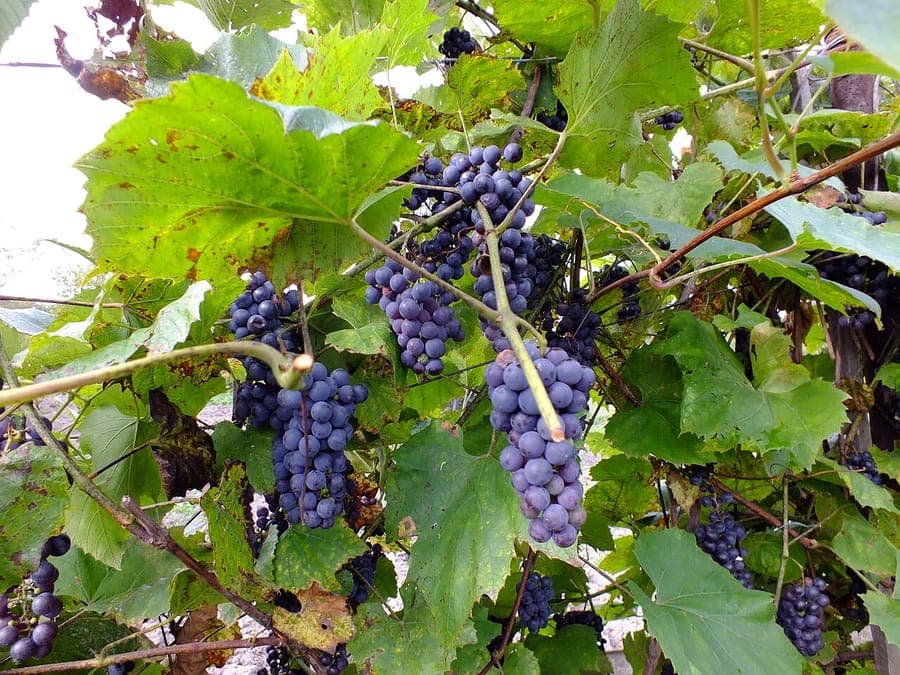
Andshel / CC BY-SA 4.0, via Wikimedia Commons
Amur grape: complete guide
Vitis amurensis
Want to see Amur grape: complete guide in your garden?
1 minute, no credit card
Overview
Vitis amurensis, commonly known as the Amur grape, is a vigorous, cold-hardy vine native to East Asia, particularly regions like the Amur River basin, Korea, Japan, and parts of northern China. Unlike Vitis vinifera, which struggles below -20°C, this species thrives in USDA zones 4 to 8, tolerating temperatures as low as -40°C. That makes it one of the hardiest grapevines available for temperate and colder gardens.
Beyond its resilience, the Amur grape brings ornamental value. The foliage turns brilliant shades of orange, crimson, and purple in autumn, rivaling maples for seasonal drama. The fruit, though small (about 8 mm in diameter), is edible-tart when raw but excellent for jellies, jams, or rustic wines when sweetened. If you're designing a fruiting climber into your space, gardenworld.app offers layout tools to visualise how this vine will fill a pergola or cover a wall over time.
Appearance & bloom cycle
The vine produces palmate, five-lobed leaves 8–15 cm wide. In early summer, around June, it bears clusters of small, greenish flowers. These aren't showy, but they're essential for fruit set. By late September to October, berries ripen into deep purple clusters of 10–20 fruits. Birds often beat you to the harvest, so netting may be necessary if you're after the crop.
Young plants grow slowly at first, but by year three, growth accelerates to 1.5–2 meters per season. The tendrils use adhesive pads to cling directly to masonry, wood, or trellises-no extra support needed. However, once attached, removal can damage surfaces, so plan placement carefully. Mature vines can reach 10–15 meters in height and spread.
Ideal location
Plant in full sun to light shade. For best fruiting, aim for at least 6 hours of direct sunlight daily. A south- or southeast-facing wall, arbour, or pergola works well. While it tolerates some shade, fruit production drops significantly in low light.
Give it room: this vine is fast-growing and expansive. Keep it at least 1.5 meters from other large plants or structures. Use a sturdy trellis or wire system if training against a wall. gardenworld.app lets you map vine coverage year by year, helping you avoid overcrowding in your garden design.
Soil requirements
Amur grape isn't fussy about soil type. It grows in sandy, loamy, or clay soils as long as drainage is good. Ideal pH ranges from 5.5 to 7.5. For heavy clay, mix in compost or coarse sand to improve structure. In sandy soils, a 5 cm mulch layer helps retain moisture and nutrients.
At planting, apply a balanced 10-10-10 fertiliser. After establishment, annual feeding is usually unnecessary unless growth stalls. Avoid high-nitrogen feeds, which promote leafy growth at the expense of fruit.
Free design
Want to see Amur grape: complete guide in your garden? Make a free design now.
Watering
Water regularly in the first year-about 10–15 litres per week during dry spells. Once established, the vine is drought-tolerant but performs better with consistent moisture in summer. Overwatering, especially in poorly drained soils, risks root rot.
Apply a 5 cm mulch of wood chips or leaf compost around the base. This suppresses weeds, conserves moisture, and slowly feeds the soil. Refresh the mulch each spring.
Pruning
Prune in late winter, between January and early March. Since it fruits on year-old wood, pruning too early removes potential flower buds. Focus on removing dead, crossing, or overcrowded shoots. Train main canes horizontally or in a fan shape to encourage fruiting spurs.
For pergolas: keep 4–6 primary arms and cut lateral shoots back to 2–3 buds. This improves air circulation and light penetration, reducing fungal issues and boosting fruit quality.
Maintenance calendar
- January–February: Prune, inspect for pests
- March: Mulch, light fertilisation if needed
- April–May: Tie in new shoots, monitor growth
- June: Flowers appear, maintain soil moisture
- July–August: Avoid fertilising; water during droughts
- September–October: Harvest grapes, enjoy autumn colour
- November–December: No action; plant dormant
Winter hardiness
This vine is exceptionally cold-tolerant, surviving USDA zone 4 (-34°C) and, in sheltered spots, even zone 3 (-40°C). No winter protection is needed for mature plants. Young vines in their first winter may benefit from wind protection using hessian or breathable fabric.
Tip dieback can occur in severe winters, but the vine reliably re-sprouts from the base or old wood. Full recovery is typical by late spring.
Companion plants
Pair with late-flowering clematis like 'Jackmanii' or ivy (Hedera helix) to extend visual interest. Underplant with shade-tolerant perennials such as Ajuga, Geranium macrorrhizum, or Bergenias. These stay low and don't compete aggressively for water.
Avoid invasive groundcovers like Vinca major or dense shrubs that block light. Also steer clear of plants with high water demands, as they may stress the young vine.
Closing
Vitis amurensis is a tough, productive, and beautiful climber that asks little and gives much. With proper support and annual pruning, it can thrive for decades. While not commonly stocked, garden centres like those in the UK occasionally carry it in spring. Check with local suppliers or order online. For a tailored planting plan, visit gardenworld.app to design a layout that fits your space and style.
Want to see Amur grape: complete guide in your garden? Make a free design now.
Upload a photo, pick a style, and get a photorealistic design with plant list in under a minute.
No credit card required


Similar plants
Catbird grape: complete guide
Vitis palmata
Discover the Catbird grape (Vitis palmata), a hardy wild grapevine that draws songbirds. Learn about location, pruning, and year-round care.
Monkshoodvine: complete guide
Ampelopsis aconitifolia
Discover Monkshoodvine. Learn how to care for this plant in your garden.
Vitis girdiana: complete guide to this resilient desert wild grape
Vitis girdiana
Discover Vitis girdiana, the Desert Wild Grape: a resilient native vine from California and Mexico. Perfect for dry, warm gardens and pergola screening.