
Ted Bodner, Southern Weed Science Society / James H. Miller, USDA Forest Service / CC BY 3.0 us, via Wikimedia Commons
Viburnum rufidulum: complete guide
Viburnum rufidulum
Want to see Viburnum rufidulum: complete guide in your garden?
1 minute, no credit card
Overview
Viburnum rufidulum, commonly called Blue Haw or Rusty Blackhaw, is a robust North American shrub found naturally in the southeastern and central United States. This plant is particularly valuable for its numerous advantages: dense white flowers, prolific berry production, and attractive autumn foliage color. With its sturdy character and excellent winter hardiness, it is a highly reliable choice for Dutch and Belgian gardens.
This native North American plant naturally grows as a shrub or small tree and introduces wildlife appeal to the garden. It can be used as a hedge, screening plant, or freely growing shrub. At GardenWorld.app, we frequently use this plant when clients desire a more natural, wildlife-friendly garden design.
Appearance and Bloom
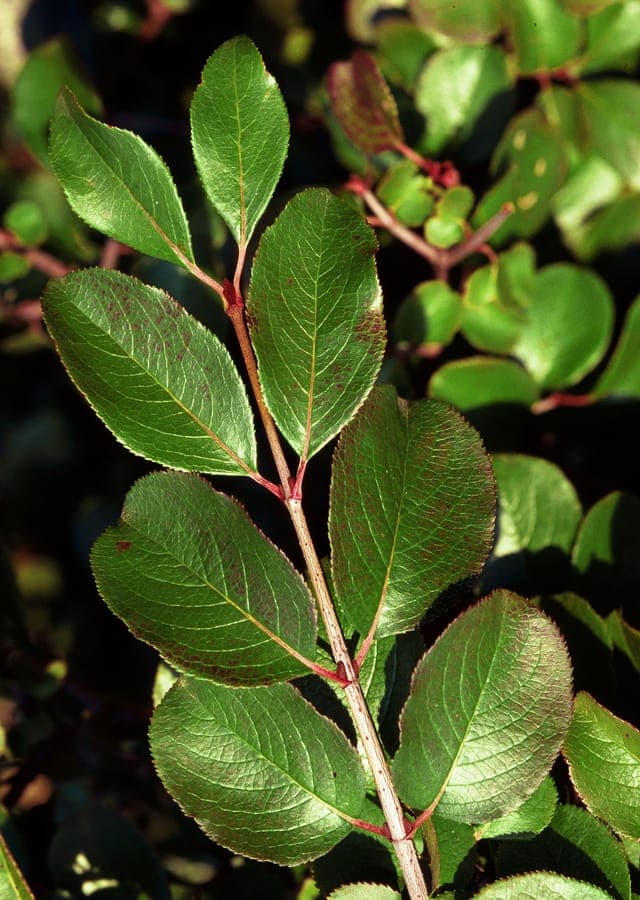
Viburnum rufidulum grows into a semi-open to dense shrub, typically 3 to 5 meters tall. The foliage is finely veined, lanceolate, and has a light reddish tint along the veins (hence the name rufidulum, meaning reddish). In autumn, leaves turn brown-red.
Flowers appear in late April through May in white, dense clusters. They possess a pleasant fragrance. After blooming, abundant blue fruits develop, turning dark blue to nearly black. These fruits remain on the plant for extended periods and attract numerous bird species.
Ideal Location
Viburnum rufidulum performs best in full sun to partial shade. The plant is highly adaptive and thrives in various environments. It tolerates both wet and dry conditions, though it performs best in well-drained, moist locations.
When positioned in windy environments, it performs well if protected from extremely harsh wind gusts.
Soil
Blue Haw makes modest soil demands. It grows in acidic to neutral to even slightly alkaline soil. The plant tolerates poor soils well, although richer soils promote better growth.
At planting time, incorporate compost to improve soil structure.
Free design
Want to see Viburnum rufidulum: complete guide in your garden? Make a free design now.
Watering
Once established, Viburnum rufidulum is moderately drought-tolerant. For optimal growth, water regularly during the first growing season. Later, watering can be reduced, although prolonged drought may hinder growth.
During periods with normal rainfall, supplementary watering is usually unnecessary.
Pruning
The plant naturally develops an attractive form. Minimal pruning is sufficient. For hedge formation, trim after flowering. Remove dead or damaged wood. The plant tolerates severe pruning well.
Maintenance Calendar
Spring (March-April): Check for winter damage. Apply fertilizer.
Summer (May-July): Limited watering during dry periods. Regular watering for young plants.
Autumn (September-October): Enjoy abundant blue fruit. Winter preparation.
Winter (November-February): Birds flock to the berries. Minimal care needed.
Winter Hardiness
Viburnum rufidulum is extremely hardy to approximately -25 degrees Celsius. This makes it one of the most reliable choices for Dutch and Belgian gardens. It withstands severe winter weather without problems.
Companion Plants
Blue Haw pairs well with other wildlife-supporting plants:
- Sambucus (Elderberry) for supplementary bird food
- Ilex (Holly) for winter evergreen contrast
- Cornus (Dogwood) for alternative fruit
- Rubus (Bramble) for native wildlife sustenance
- Taxus (Yew) for deep green contrast
In mixed borders, it combines well with ivy, Mahonia, and other native plants.
Conclusion
Viburnum rufidulum is an excellent choice for those seeking a reliable, wildlife-supporting shrub. With its vigorous growth, prolific blue fruit, and extreme winter hardiness, it is a standard choice in many Dutch and Belgian gardens.
At GardenWorld.app, we especially recommend this plant when clients desire more nature and wildlife food in their garden design.
Want to see Viburnum rufidulum: complete guide in your garden? Make a free design now.
Upload a photo, pick a style, and get a photorealistic design with plant list in under a minute.
No credit card required


Similar plants
Squashberry: complete guide
Viburnum edule
Grow mooseberry (Viburnum edule): ultra-hardy North American shrub with fragrant white flowers and red autumn berries. Perfect for boreal gardens. Zone 3.
Witherod: complete guide to this elegant North American shrub
Viburnum cassinoides
Discover Viburnum cassinoides: an elegant North American shrub with white flowers, yellow fall foliage, and blue berries. Perfect for temperate garden zones.
Buddlejaleaf viburnum: complete guide
Viburnum buddleifolium
Elegant evergreen shrub with delicate foliage and white spring flowers. Perfect for sheltered borders in temperate gardens.