
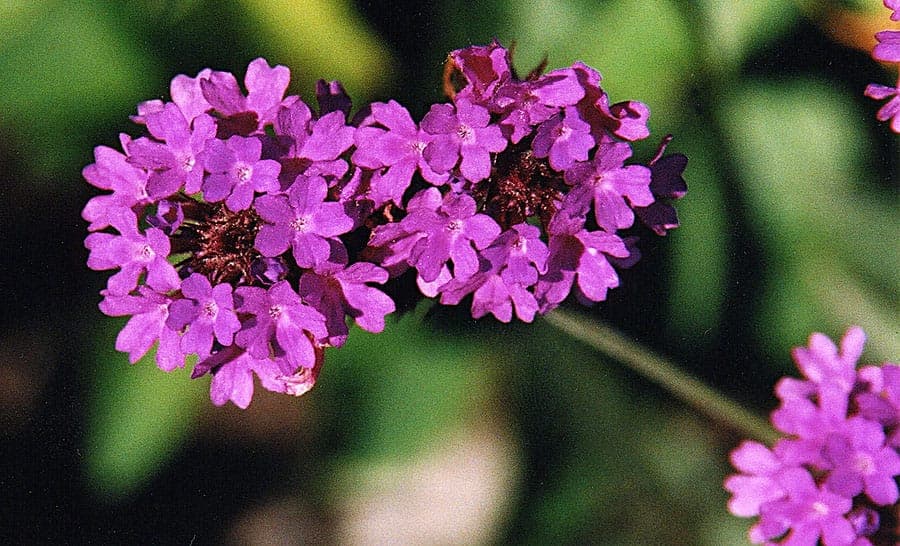
Dick Culbert from Gibsons, B.C., Canada / CC BY 2.0, via Wikimedia Commons
Slender vervain: complete guide
Verbena rigida
Want to see Slender vervain: complete guide in your garden?
1 minute, no credit card
Overview
Slender vervain (Verbena rigida) is a tough, spreading perennial that brings vibrant colour and pollinator action to gardens from midsummer into autumn. Native to grasslands and open slopes in Argentina, Brazil, Paraguay and Uruguay, it thrives in full sun and well-drained soils, making it a top pick for drought-prone areas. In the UK and northern Europe, it's reliably hardy in USDA zones 7b to 10, and with a little winter care, it performs well even in zone 7a.
This herbaceous perennial grows 40–60 cm tall and spreads 40–50 cm wide via creeping stems, forming a dense, bushy mound over time. It's not aggressive, but it will gently self-seed in ideal conditions. Once established, it demands little attention-ideal for low-maintenance and wildlife-friendly gardens.
On gardenworld.app you can design a border layout that maximises the impact of Slender vervain, pairing it with plants that complement its height and bloom time.
Appearance & bloom cycle
The plant features stiff, square stems covered in slightly rough foliage. Leaves are narrow, lance-shaped, and dark green with toothed margins. When crushed, they emit a faint lemony, herbal scent-typical of the Verbenaceae family.
From July through October, slender vervain produces dense, rounded flower heads, 2–3 cm across, in a striking magenta-purple hue. Each head contains dozens of tiny tubular florets that open gradually, prolonging the bloom season. Deadheading spent flowers encourages repeat blooming and prevents excessive self-seeding.
The flowers are a magnet for pollinators-bees, hoverflies, and butterflies, especially small species like skippers and fritillaries, visit regularly. The upright habit and long bloom period make it excellent for cutting, too.
Ideal location
Full sun is non-negotiable for best performance. Aim for at least 6–8 hours of direct sunlight daily. In partial shade, the plant becomes leggy, flops over, and produces fewer flowers. That said, in extremely hot climates (zone 9+), a little afternoon shade can help prevent scorching.
This plant shines in gravel gardens, rockeries, sunny borders, and along pathways. It also works well in large pots-just make sure drainage is excellent. Combine it with drought-tolerant companions like Echinacea, Nepeta, or ornamental grasses for a naturalistic look.
Soil requirements
Well-drained soil is crucial. Slender vervain tolerates poor, sandy, or rocky soils but will rot in heavy clay or waterlogged conditions. If your soil is compacted or clay-rich, amend it with grit, perlite, or horticultural sand (20–30%) to improve drainage.
Avoid rich soils or heavy feeding-excess nitrogen promotes leafy growth at the expense of flowers. A light top-dressing of compost in spring is sufficient. No regular fertiliser needed.
Free design
Want to see Slender vervain: complete guide in your garden? Make a free design now.
Watering
During the first growing season, water weekly during dry spells to help roots establish. Once settled (year two onwards), it's highly drought-tolerant and rarely needs supplemental watering. Overwatering is a common mistake-soggy soil leads to root rot and weak stems.
In containers, check moisture weekly in summer. Water deeply when the top 5 cm of soil feels dry. Reduce watering in autumn as growth slows.
Pruning
To encourage bushiness and more flowers, cut back stems by one-third in late spring (around May or early June). This prevents legginess and promotes branching.
Deadhead regularly throughout summer-snip off spent flower heads just above a leaf node. This keeps the plant tidy and boosts blooming. In late autumn (November), cut the entire plant back to 10–15 cm above ground. You can leave some stems standing over winter to provide shelter for beneficial insects.
Maintenance calendar
- January: Clear any winter debris; check for pests
- February: Prepare tools for spring pruning
- March: Remove old foliage; apply light compost
- April: Plant new specimens; watch for aphids
- May: Cut back by one-third to encourage bushiness
- June: Monitor for slugs; start bloom period
- July: Begin deadheading; flowers peak
- August: Continue deadheading; minimal watering
- September: Flowers continue; check for mildew in wet weather
- October: Final deadheading; prepare for winter
- November: Cut back to 10–15 cm; mulch if needed
- December: Protect container plants from frost
Winter hardiness
Hardy in USDA zones 7b–10. In zone 7a, mulch the base with dry leaves or straw to protect crowns during wet winters. Established plants usually survive with minimal care, but young plants benefit from extra protection.
Potted plants are more vulnerable-wrap containers in hessian or bubble wrap, or move them to a sheltered spot. Avoid wet, cold soils; elevate pots on feet to prevent waterlogging.
Companion plants
Slender vervain pairs beautifully with:
- Echinacea purpurea (for height contrast)
- Sedum 'Autumn Joy' (for late-season interest)
- Stipa tenuissima (for airy texture)
- Achillea filipendulina (for warm yellow blooms)
The magenta flowers contrast well with silver foliage (like Artemisia) or bright yellows. Avoid overly vigorous spreaders that might smother it.
On gardenworld.app you can visualise planting schemes and test spacing to ensure your Slender vervain has room to thrive.
Closing
Slender vervain is a no-fuss, high-reward plant that delivers months of colour and supports pollinators with minimal input. Plant it in a sunny, free-draining spot, prune it back in spring, and enjoy the show. Buy young plants in spring from garden centres or propagate from cuttings. With the right conditions, it becomes a reliable fixture in sunny borders for years.
Want to see Slender vervain: complete guide in your garden? Make a free design now.
Upload a photo, pick a style, and get a photorealistic design with plant list in under a minute.
No credit card required


Similar plants
Bigbract verbena: complete guide
Verbena bracteata
Full guide to Verbena bracteata, the creeping North American vervain. Growth habit, care, soil needs, and use as ground cover in drought-tolerant gardens.
Purpletop vervain: complete guide
Verbena incompta
Verbena incompta, a South American charmer. Discover long blooming period and care for sunny borders.
Verbena canescens: complete guide
Verbena canescens
Discover the elegant American gray vervain with purple flowers and exceptional drought tolerance. Perfect shrub for sunny, dry borders.