
Wikimedia Commons / CC BY-SA 3.0, via Wikimedia Commons
American blueberry: complete guide
Vaccinium corymbosum
Want to see American blueberry: complete guide in your garden?
1 minute, no credit card
Overview
The American blueberry (Vaccinium corymbosum), also called highbush blueberry, is a versatile fruiting shrub prized by gardeners worldwide. This North American native produces generous clusters of large, sweet dark-blue berries that ripen between July and August. Its elegant white spring flowers and brilliant reddish foliage in autumn make it an ornamental asset year-round.
American blueberries dwarf their European cousins, reaching 2 meters or more in height. The fruit is nutritionally dense, packed with antioxidants and minerals. A mature, well-tended plant yields 5-8 kg annually, with some cultivars producing over 10 kg in ideal conditions.
Appearance and bloom
The American blueberry grows as a dense, branching shrub with vigorous lateral shoots. Leaves are lance-shaped, glossy green in summer, transforming to brilliant crimson, orange, and purple tones in autumn. White to pale pink flowers appear in dense racemes during April and May, creating a delicate spring display.
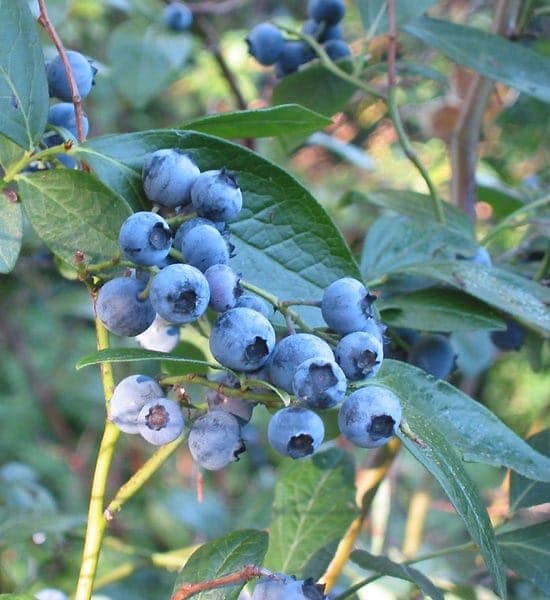
Berries are globe-shaped, 1-1.5 cm diameter, deep blue to almost black when fully ripe. The flavor profile combines sweetness with subtle tartness. Harvest extends from mid-July through August, depending on climate and sun exposure.
Ideal location
American blueberries thrive in full sun, requiring 6-8 hours daily for optimal productivity and sugar development. Choose a south- or west-facing location with good air circulation to prevent fungal issues. Partial shade is tolerated but reduces yields and berry quality significantly.
Wind protection is beneficial but not essential. Avoid frost pockets where late spring frosts might damage flowers. Open, sheltered positions in the middle of the garden often work best.
Soil
Soil chemistry is critical for American blueberries: they demand acidic conditions with pH 4.5-5.5. Standard garden soil is rarely suitable; amendment is essential. Work in peat moss or composted pine bark (50% by volume) combined with sand or coarse grit (50%) to create ideal drainage and acidity.
Organic matter is vital. Incorporate 5 cm of leaf mold or compost annually. Many gardeners successfully cultivate blueberries in raised beds or large containers filled with ericaceous compost, especially in alkaline regions.
Watering
Consistent moisture is non-negotiable. During the growing season (May-September), maintain soil moisture at 2.5 cm per week minimum (including rainfall). In hot, dry weather, daily watering may be necessary. Never allow the root zone to dry completely; conversely, avoid waterlogging.
Mulch with 5 cm of bark chips or composted sawdust to regulate moisture and temperature. Drip irrigation or soaker hoses deliver water efficiently to the root zone, reducing disease pressure from wet foliage.
Free design
Want to see American blueberry: complete guide in your garden? Make a free design now.
Pruning
Prune American blueberries in late winter (March) before growth resumes. Remove dead, diseased, and crossing wood. Thin out the oldest canes (over 6 years) to stimulate vigor and fruit quality. Modern cultivars fruit primarily on younger wood, so strategic removal of aging growth yields more berries.
Maintain a balanced, open-centered form with 5-8 main canes. Height can be managed by cutting back by 10-20 cm annually. Avoid heavy pruning, which reduces yield for the following year.
Maintenance calendar
March: Main pruning; remove old canes and deadwood. April-May: Monitor for pests; establish consistent watering. June: Fruit set occurs; continue regular moisture. July-August: Harvest ripe berries every 2-3 days. September: Reduce watering slightly; nutrient uptake declines. October-February: Dormancy; minimal intervention needed.
Winter hardiness
Most American blueberry cultivars are hardy to -20C, making them suitable for temperate North European climates. Spring frosts in April can damage flowers, potentially reducing that season's yield. Choose frost-free low-lying sites and consider late-flowering cultivars for frost-prone regions.
No winter protection is typically required in sheltered UK or German gardens. In very cold microclimates, a mulch blanket around the base helps insulate roots.
Companion plants
American blueberries integrate well with acid-loving companions: red currants, blackberries, hydrangeas, and heather varieties create an appealing mixed edible landscape. Herbaceous understory plantings like lavender, rosemary, and thyme echo the Mediterranean aesthetic while avoiding root competition.
Position companions at least 1 meter away to avoid nutrient and moisture rivalry. Group plants of similar water and soil needs for effortless management.
Closing
The American blueberry is a garden investment yielding decades of fresh, nutrient-dense fruit alongside seasonal ornamental beauty. With proper site selection, acidic soil preparation, and consistent care, you'll enjoy abundant summer harvests and an effortless, long-lived landscape feature. Premium cultivars are widely available through specialty nurseries and garden centers.
For integrated garden design including blueberry placement and companion selection, consult gardenworld.app. Visit gardenworld.app again for seasonal maintenance reminders and harvest optimization strategies.
Want to see American blueberry: complete guide in your garden? Make a free design now.
Upload a photo, pick a style, and get a photorealistic design with plant list in under a minute.
No credit card required


Similar plants
Zenobia pulverulenta: complete guide
Zenobia pulverulenta
Everything about Zenobia pulverulenta (honeycup): siting, acid soil, pruning and the fragrant white bells, in this complete care guide.
Dwarf huckleberry: complete guide
Gaylussacia dumosa
Everything about dwarf huckleberry (Gaylussacia dumosa): acidic soil, partial shade, pruning and care for this compact North American berry shrub.
Drooping leucothoe: complete guide
Leucothoe fontanesiana
Everything about drooping leucothoe (Leucothoe fontanesiana): shade tolerance, soil, watering, pruning, hardiness and companion plants.