
Dinkum / CC BY-SA 3.0, via Wikimedia Commons
Tyrimnus leucographus: complete guide
Tyrimnus leucographus
Want to see Tyrimnus leucographus: complete guide in your garden?
1 minute, no credit card
White-Spotted Thistle: A Mediterranean Marvel for Dry Gardens
Overview The White-spotted Thistle (Tyrimnus leucographus), also known as Variegated Thistle or Chardon à taches blanches, is a striking annual to biennial plant native to the Mediterranean. The botanical name references the characteristic white spots adorning the foliage. This plant is beloved by entomologists and gardeners alike for its exceptional appeal to pollinators.
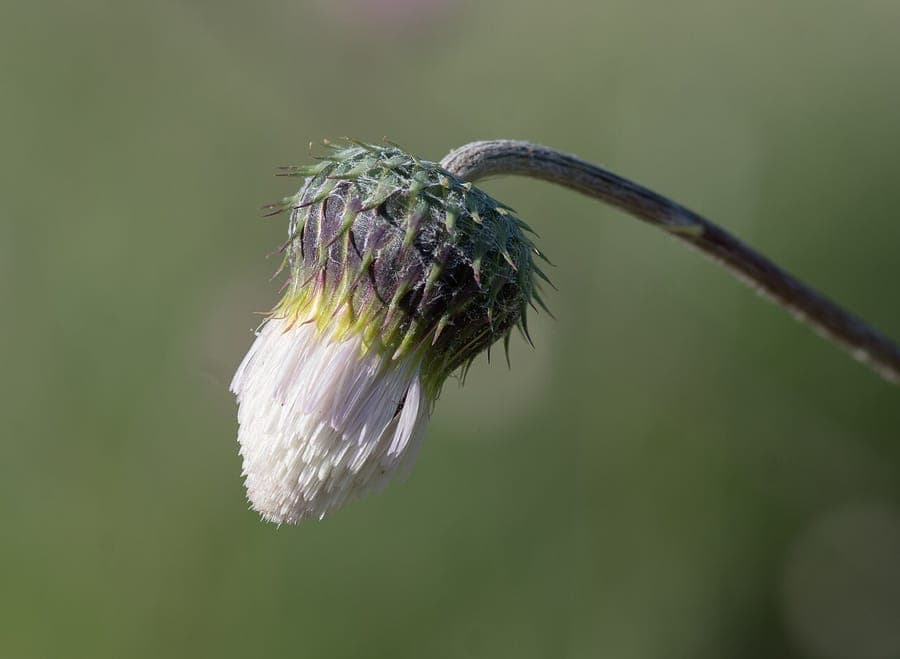
Appearance and Bloom The White-spotted Thistle is a robust, upright plant reaching approximately eighty centimeters tall. The leaves are distinctly marked with white spots or patches that give the plant its common name. Distinctive purple, spiny flowerheads emerge in summer, creating spectacular contrast against the spotted foliage. Blooming from May through July, these flowers attract countless bees and other pollinators.
Ideal Location The White-spotted Thistle thrives in sunny, warm locations receiving at least eight hours of direct sunlight daily. Extremely drought-tolerant, it feels at home in full sun. A south or southeast-facing position is perfect. Wind-resistant, this plant suits exposed garden spots beautifully.
Soil This plant is renowned for thriving on poor, lean soils. In fact, it performs better on sparse, rapidly draining soils with a pH of 7 to 7.5. Excessive nutrition promotes foliage over flowers. Calcareous soils are advantageous. Avoid heavy, water-retentive materials causing root rot.
Watering The White-spotted Thistle is extremely drought-tolerant, needing minimal water once established. Water only during very dry periods. This is a plant that suffers from overwatering. In containers, be cautious about waterlogging. Young plants need slightly more water than mature ones.
Pruning Pruning is usually unnecessary. The plant grows naturally, forming an attractive shape independently. Remove only damaged or diseased material. Spent flowerheads can be removed for tidiness, though seeds benefit birds.
Maintenance Calendar April to May: Sow or transplant, minimal watering. June to July: Regular checks, support if needed. August to September: Remove feeding, allow seeds to ripen. October: Remove plant end-of-season, collect seeds. November to March: Dormancy, clear compost.
Winter Hardiness The White-spotted Thistle is an annual to biennial not hardy in northern Europe. In Mediterranean regions, it self-seeds. Treat as annual in northern areas.
Support The plant can be supported by weak stakes in windy locations, though support is usually unnecessary. The plant is structurally sturdy and self-sufficient.
Companion Plants The purple flowers combine beautifully with silver or gray-green foliage plants. Lavender, salvias, and other Mediterranean herbs form perfect combinations. In wild gardens, it pairs well with other thistles and cornflowers.
Closing Thoughts The White-spotted Thistle is perfect for dry, warm gardens seeking durable, low-maintenance plants. It elevates biodiversity by attracting numerous pollinators. At gardenworld.app, integrate it perfectly into xeriscape designs. With minimal care and full sun, you'll enjoy this botanical treasure.
Available at garden centres. More garden design at gardenworld.app.
Want to see Tyrimnus leucographus: complete guide in your garden? Make a free design now.
Upload a photo, pick a style, and get a photorealistic design with plant list in under a minute.
No credit card required


Similar plants
Calendula stellata: complete guide
Calendula stellata
Complete guide to Calendula stellata, the star-flowered marigold from Sicily: location, soil, watering and companion planting tips.
Korean chrysanthemum: complete guide
Chrysanthemum x rubellum
Chrysanthemum x rubellum is a hardy autumn perennial with single pink to copper flowers from August to November. Care and combinations.
Helianthus divaricatus: complete guide
Helianthus divaricatus
Helianthus divaricatus is a North American woodland sunflower with yellow summer blooms, ideal for naturalistic borders and shady edges.