
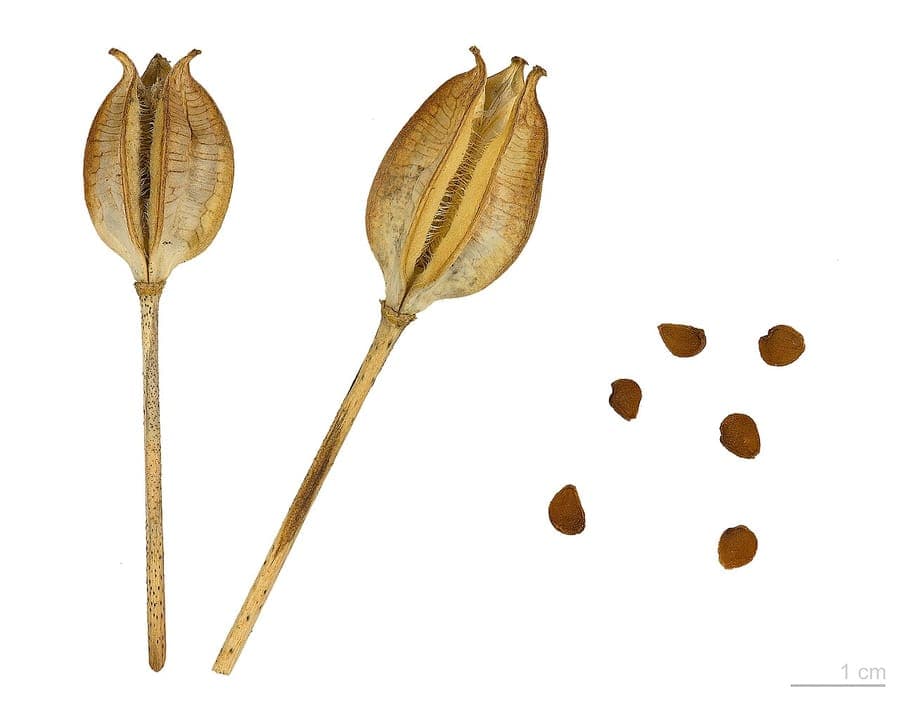
Roger Culos / CC BY-SA 3.0, via Wikimedia Commons
Wild tulip: complete guide
Tulipa sylvestris
Want to see Wild tulip: complete guide in your garden?
1 minute, no credit card
Overview
Tulipa sylvestris, commonly known as the Wild tulip, is one of the few true wild species that thrives both in nature and home gardens. Unlike hybrid tulips that often fade after one season, this hardy perennial returns reliably year after year, even self-seeding in favourable spots. Its modest height and soft-yellow blooms bring a gentle, natural charm to spring gardens. If you're aiming for a relaxed, wildlife-friendly space, the Wild tulip is a solid choice.
Native to woodlands and scrublands across southern Europe and parts of western Asia-from France to Iran-this tulip prefers well-drained soils and a mix of sun and light shade. It grows naturally in open forests and rocky slopes, which tells you a lot about its ideal garden conditions. On gardenworld.app, you can design a planting scheme that mimics these natural habitats, integrating Tulipa sylvestris into drifts beneath light-canopy trees or among native grasses.
Appearance & bloom cycle
The Wild tulip reaches a height of 25 to 35 cm, making it perfect for front borders, rock gardens, or naturalising in grass. The flowers are soft yellow, often with an orange flush inside the petals and a greenish or brownish base. They're long-cupped and open widely in sunlight, giving them an airy, dancing quality on slender stems. Each stem usually carries one main flower, occasionally with small side blooms.
Bloom time is typically from mid-April to early May, though in milder zones it may start in late March. The blossoms are lightly scented, attracting early pollinators like bees and hoverflies. After flowering, the foliage remains green for about six weeks to feed the bulb before dying back completely.
Ideal location
Plant in full sun to partial shade. The Wild tulip performs best in a sunny spot with afternoon shade in hotter climates. It thrives along woodland edges, under deciduous shrubs, or in open meadow-like areas. Avoid dark, damp corners-these increase the risk of bulb rot.
This tulip is ideal for naturalistic planting schemes, cottage gardens, or wildflower meadows. Plant in groups of 10–15 bulbs for a more natural look. For inspiration on how to layer it with other spring bloomers, check gardenworld.app, where you can visualise drifts of Tulipa sylvestris alongside Narcissus minor or Puschkinia scilloides.
Soil requirements
Well-drained soil is essential. The Wild tulip hates wet feet, especially in summer. Sandy or loamy soils work well; heavy clay should be amended with grit or compost to improve drainage. The ideal pH range is 6.0 to 7.5. If your soil holds water, consider raised beds or sloped areas for planting.
Organic matter helps retain moisture in dry periods, but the soil must dry out in summer. This mimics its natural habitat, where winter and spring bring moisture, and summer is dry.
Free design
Want to see Wild tulip: complete guide in your garden? Make a free design now.
Watering
Water bulbs after planting in autumn if conditions are dry. Once established, they rarely need supplemental watering. Spring rains are usually sufficient. Avoid watering during dormancy (June–August), as excess moisture leads to bulb rot.
In exceptionally dry springs, a light soak can help, but overwatering is a bigger risk than drought for this species.
Pruning
No pruning is needed. Let the foliage die back naturally-do not cut or tie it. The leaves must photosynthesise for at least six weeks after flowering to replenish the bulb. If the fading foliage looks untidy, plant around it with perennials like Geranium macrorrhizum or Alchemilla mollis that will cover it as they grow.
Remove only dead or diseased leaves. If you want to limit self-seeding, deadhead before seeds form.
Maintenance calendar
- September–October: Plant bulbs 10–15 cm deep, spaced 10 cm apart
- November–February: Leave undisturbed; no care needed
- March–April: Monitor growth; light potash feed may boost blooms
- May: Allow foliage to yellow; collect seeds if desired
- June–August: Keep soil dry; avoid watering
Winter hardiness
Tulipa sylvestris is hardy in USDA zones 5 to 8. It tolerates frost well and requires a cold period to bloom properly. No winter protection is needed in most areas, provided the soil drains well. In wetter climates, plant on raised ground or mix in extra grit to prevent waterlogging.
Companion plants
Pair with early spring companions like Muscari, Scilla, or Anemone blanda. It also contrasts beautifully with dark evergreen foliage or ferns. Plant under light trees like birch or hazel, or with low shrubs such as Daphne mezereum. For a meadow look, mix with grasses like Deschampsia cespitosa.
Avoid aggressive perennials that might overcrowd the tulips. Instead, use gentle spreaders that coexist peacefully, like Pulmonaria or Vinca minor.
Closing
The Wild tulip isn't flashy, but that's its strength. It's low-maintenance, long-lived, and blends effortlessly into natural gardens. With the right conditions, it'll return for years, even spreading gently on its own. Buy bulbs in autumn from garden centres or online retailers, and plant them where they can thrive without fuss. For design ideas, visit gardenworld.app to create a spring planting plan that highlights the quiet beauty of Tulipa sylvestris alongside complementary species and textures.
Want to see Wild tulip: complete guide in your garden? Make a free design now.
Upload a photo, pick a style, and get a photorealistic design with plant list in under a minute.
No credit card required


Similar plants
Reverchon's gagea: complete guide
Gagea reverchonii
Full guide to Gagea reverchonii, Reverchon's gagea: rare Pyrenean bulb with bright yellow spring flowers, soil needs and companion planting.
Leafy gagea: complete guide
Gagea foliosa
Gagea foliosa is a rare Mediterranean bulb with bright yellow star-shaped flowers blooming February to March in well-drained rocky settings.
Tubular gagea: complete guide
Gagea fragifera
Gagea fragifera is a mountain bulb with golden-yellow star flowers blooming May to July on subalpine slopes from Europe to the Himalaya.