
Wikimedia Commons / CC BY-SA 3.0, via Wikimedia Commons
Hungarian silver linden: complete guide
Tilia tomentosa
Want to see Hungarian silver linden: complete guide in your garden?
1 minute, no credit card
Overview
Tilia tomentosa, commonly known as the Hungarian silver linden, is a robust, medium to large-sized deciduous tree native to southeastern Europe and western Asia, including regions of Greece, Turkey, and Ukraine. It's an excellent choice for parks, large gardens, and urban landscapes thanks to its resilience and ornamental appeal. Mature specimens typically reach 15–20 meters in height with a spread of 8–12 meters, forming a dense, rounded crown that provides excellent shade. If you're designing a new garden, use gardenworld.app to visualise how this tree fits into your space, accounting for eventual canopy spread and seasonal shadow patterns.
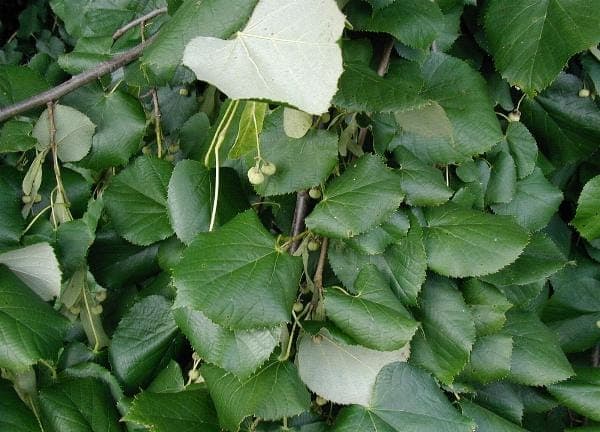
Unlike many other lindens, Tilia tomentosa stands out for its striking foliage - the leaves have a dense, silvery-white tomentum on the undersides, giving the tree a shimmering appearance when the wind blows. This feature, combined with its fragrant summer blooms, makes it a standout in any landscape.
Appearance & bloom cycle
The leaves are heart-shaped, 5–8 cm across, with a dark green, glossy upper surface and a densely hairy, silvery underside. This tomentum persists throughout the growing season and doesn't wash off with rain, making it a reliable ornamental trait. In early to mid-July, fragrant, pale yellow to creamy-white flowers appear in clusters of 3–8. Each bloom is about 1.5 cm wide and emits a sweet, honey-like scent that peaks in the evening, attracting bees, moths, and other pollinators.
After flowering, small, spherical nuts form - roughly 8 mm in diameter - and remain on the tree into winter, providing subtle visual interest and food for birds. The bark on mature trees becomes deeply fissured and grey, adding winter texture.
Ideal location
This tree thrives in full sun to light shade, scoring an 8 out of 10 for light preference. A south- or southwest-facing location is ideal, especially in cooler climates like the UK or USDA zones 5–8. Allow at least 4 meters of clearance from buildings, driveways, or underground utilities due to its extensive root system. It's particularly well-suited to city environments, tolerating air pollution, compacted soil, and summer heat.
For gardeners in suburban or rural settings, plant it as a specimen tree in a lawn or at the edge of a woodland garden. Avoid planting near vegetable beds or shallow-rooted perennials, as its root competition can be intense. Before planting, map out your space using gardenworld.app to ensure long-term compatibility with other garden elements.
Soil requirements
Tilia tomentosa is adaptable but performs best in deep, moist, well-drained loam or clay-loam soils with a pH of 5.5–6.5. It tolerates slightly acidic to mildly alkaline conditions but struggles in very sandy or waterlogged soils. Improve poor soils at planting time with generous amounts of compost or well-rotted manure to boost organic content and water retention.
While young trees benefit from rich, fertile ground, mature specimens are remarkably self-sufficient. Avoid planting in areas with poor drainage - standing water can lead to root rot, especially in clay-heavy sites.
Free design
Want to see Hungarian silver linden: complete guide in your garden? Make a free design now.
Watering
During the first two growing seasons, water deeply and regularly - about 20 liters per week per tree, applied slowly to encourage deep root development. Use a soaker hose or watering spike to deliver water directly to the root zone. After establishment, the tree is highly drought-tolerant and rarely needs supplemental watering, even during prolonged dry spells.
In extreme droughts lasting over four weeks, especially in USDA zones 7–8, give mature trees a deep soak once a month to prevent stress and leaf scorch. Always water at the base, not overhead, to reduce fungal disease risk.
Pruning
Minimal pruning is required. The natural form is upright and rounded, needing little intervention. Remove only dead, damaged, or crossing branches during late winter or early spring, before bud break. Avoid heavy pruning, as Tilia tomentosa responds slowly and may produce unsightly water sprouts.
If crown reduction is necessary, do it gradually over several years. Use clean, sharp tools and make proper cuts just outside the branch collar to promote healing. Never top the tree - this ruins its form and weakens its structure.
Maintenance calendar
- January: Inspect for pests or disease. No pruning unless essential.
- February: Light structural pruning allowed. Check for soil compaction.
- March: Apply a layer of compost around the base. No fertiliser needed.
- April: Monitor for aphids on new growth.
- May: Water young trees during dry spells.
- June: Prepare for bloom. Keep soil consistently moist.
- July: Peak bloom - enjoy the fragrance. Avoid wetting foliage.
- August: Watch for leaf scorch in heatwaves.
- September: Stop feeding. Let fallen leaves decompose as mulch.
- October: Remove dead wood. Leave leaf litter for soil health.
- November: Protect young trunks from rodents with guards.
- December: Review crown shape and overall health.
Winter hardiness
Hardy in USDA zones 5–8, Tilia tomentosa withstands winter temperatures down to -23°C. In zone 5, young trees may benefit from tree wrap to prevent sunscald. Mature trees are highly resilient and require no winter protection. The tree is fully deciduous, losing its leaves in late autumn, and remains dormant until spring.
Even without leaves, the silvery branchlets and rugged bark provide winter interest in the landscape.
Companion plants
Underplant with shade-tolerant, shallow-rooted species such as hellebores, epimediums, or dwarf ferns. Spring bulbs like daffodils and crocuses work well, blooming before the canopy fully closes. Avoid aggressive groundcovers like ivy or mint, which can compete for moisture and nutrients.
For structure, consider pairing with evergreen shrubs like boxwood or mahonia at the drip line. Keep grass mown short under the canopy to reduce competition.
Closing
The Hungarian silver linden is a low-maintenance, high-impact tree that combines beauty, resilience, and ecological value. It's ideal for gardeners seeking long-term shade and seasonal interest. While young trees need some care, established ones are virtually self-reliant. Purchase from reputable garden centres in the UK or online, including trusted suppliers like those found at garden centres nationwide. With proper placement and initial care, Tilia tomentosa becomes a centrepiece that thrives for generations.
Want to see Hungarian silver linden: complete guide in your garden? Make a free design now.
Upload a photo, pick a style, and get a photorealistic design with plant list in under a minute.
No credit card required


Similar plants
Crimean linden: complete guide
Tilia × euchlora
Crimean linden is an elegant, fast-growing shade tree ideal for large gardens. Discover cultivars, spacing, maintenance tips and winter hardiness.
California flannelbush: complete guide
Fremontodendron californicum
Everything about California flannelbush (Fremontodendron californicum): sunny placement, drainage, pruning and care for this spectacular yellow-flowering shrub.
Hairy rose mallow: complete guide
Hibiscus moscheutos subsp. lasiocarpos
Full growing guide for hairy rose mallow (Hibiscus moscheutos subsp. lasiocarpos): location, soil, watering, winter hardiness and garden design tips.