
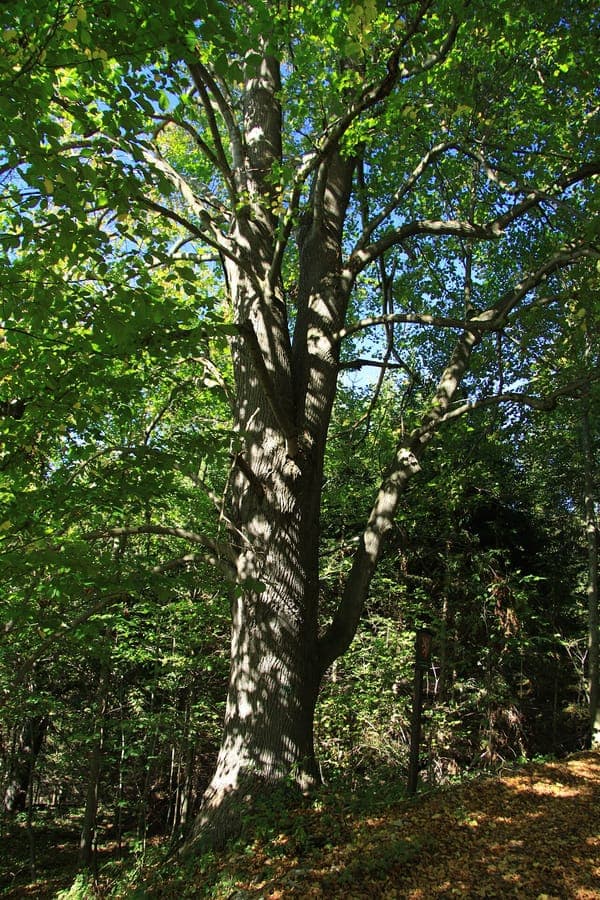
Chmee2 / CC BY-SA 3.0, via Wikimedia Commons
Linden: complete guide
Tilia platyphyllos
Want to see Linden: complete guide in your garden?
1 minute, no credit card
Overview
Tilia platyphyllos, commonly known as the Linden or Broad-leaved Lime, is a majestic deciduous tree native to central and southern Europe. It thrives in countries like Germany, France, Austria, and Bulgaria, and has long been cultivated across temperate zones for its dense shade, fragrant flowers, and architectural presence. Reaching heights of 20 to 30 meters and spreading up to 15 meters wide, this tree is not suited for small backyards but excels in parks, avenues, and spacious gardens. On gardenworld.app, you can design a landscape plan that accounts for its massive mature size, ensuring proper spacing from structures and utilities.
This species belongs to the Malvaceae family and gets its name from the broad, heart-shaped leaves-up to 10 cm across. Though slow to start, with flowering typically beginning around year 20, once established, the tree becomes a dominant and rewarding feature. Its wood is soft and workable, historically used for carving and beekeeping structures.
Appearance & bloom cycle
The leaves of Tilia platyphyllos are dark green and slightly rough on top, with a paler, downy underside. They measure 6 to 10 cm in diameter and turn a modest yellow-green in autumn before dropping in mid-October. The most striking feature, however, is the bloom period.
From mid-July to early August, the tree produces clusters of 3 to 5 small, creamy-white flowers. These hang from a distinctive green bract that aids in wind dispersal. The flowers emit a strong, sweet fragrance that attracts bees in vast numbers-so much so that hives placed nearby often produce rich, aromatic honey. After pollination, hard nutlets develop and fall in late autumn, rarely causing issues unless collected for propagation.
Ideal location
Plant your Linden with foresight. Keep it at least 8 meters from buildings, driveways, or sewer lines-its root system is vigorous and can lift paving if unchecked. Full sun is ideal, though it tolerates partial shade, especially in hotter microclimates. Due to its scale, it works best as a specimen tree in open lawns, along wide driveways, or in public green spaces.
On gardenworld.app, you can simulate how a young sapling will evolve over decades, helping you visualize canopy spread and shading patterns before planting.
Soil requirements
This lime tree is adaptable but thrives in deep, fertile, well-drained loam or clay-loam soils. It prefers a pH between 6.0 and 7.5. Avoid shallow, dry sands or waterlogged sites-both extremes hinder root development. If your soil is poor, amend it at planting time with well-rotted manure or compost (20–30 liters per tree).
A soil test isn't mandatory but can reveal nutrient deficiencies early. Lime trees sometimes show chlorosis (yellowing leaves) on highly alkaline or iron-poor soils-address with chelated iron if needed.
Free design
Want to see Linden: complete guide in your garden? Make a free design now.
Watering
Young trees need consistent moisture for the first 2–3 years. Water deeply once a week with 10–15 liters, especially during dry spells in May through August. Use a soaker hose to encourage deep root growth. Established trees are drought-tolerant but benefit from occasional deep watering during prolonged dry periods.
Avoid frequent shallow watering-it promotes weak surface roots. Mulch the base (but not touching the trunk) with wood chips to retain moisture and suppress weeds.
Pruning
Minimal pruning is best. The natural crown develops into a pleasing oval or domed shape. Remove only dead, damaged, or crossing branches, preferably in late winter (January–February) when the tree is dormant.
Heavy pruning can lead to epicormic shoots and increase vulnerability to fungal infections like honey fungus. If crown reduction is necessary, do it gradually over 3–4 years and never remove more than 20% of the canopy at once.
Maintenance calendar
- January–February: Inspect and prune dead wood; apply organic mulch if needed
- March: Loosen soil around base; add compost if soil is depleted
- April–June: Monitor for drought; water young trees weekly
- July–August: Peak bloom-watch for bee activity and avoid spraying
- September: No active care required
- October: Leaf drop-leave as natural mulch or rake for compost
- November–December: Dormant period-no maintenance
Winter hardiness
Tilia platyphyllos is hardy to USDA zones 5–8 (-20°C to -12°C). In the UK and most of the northern US, it withstands winter without protection. Young trees may suffer bark splitting in extreme cold, so wrap the trunk with horticultural fleece in the first winter if temperatures drop below -15°C.
Companion plants
Dense shade and root competition make underplanting tricky. Choose shade-tolerant, drought-resistant perennials like Alchemilla mollis, Pulmonaria officinalis, or Carex elata 'Aurea'. Ferns such as Dryopteris filix-mas also perform well.
Avoid shallow-rooted or moisture-loving plants-they'll struggle. Plant companions at least 3 meters from the trunk to reduce competition.
Closing
The Broad-leaved Linden is a long-term investment. It grows slowly but rewards patience with decades of beauty, shade, and ecological value. When buying, look for container-grown or balled-and-burlapped specimens with straight trunks and balanced crowns. Retailers like garden centres across the UK often stock young trees in spring.
With proper placement and early care, your Linden will become a living landmark-offering shelter, fragrance, and a haven for pollinators year after year.
Want to see Linden: complete guide in your garden? Make a free design now.
Upload a photo, pick a style, and get a photorealistic design with plant list in under a minute.
No credit card required


Similar plants
Crimean linden: complete guide
Tilia × euchlora
Crimean linden is an elegant, fast-growing shade tree ideal for large gardens. Discover cultivars, spacing, maintenance tips and winter hardiness.
California flannelbush: complete guide
Fremontodendron californicum
Everything about California flannelbush (Fremontodendron californicum): sunny placement, drainage, pruning and care for this spectacular yellow-flowering shrub.
Hairy rose mallow: complete guide
Hibiscus moscheutos subsp. lasiocarpos
Full growing guide for hairy rose mallow (Hibiscus moscheutos subsp. lasiocarpos): location, soil, watering, winter hardiness and garden design tips.