
Jean-Pol GRANDMONT / CC BY 3.0, via Wikimedia Commons
Tilia oliveri: complete guide
Tilia oliveri
Want to see Tilia oliveri: complete guide in your garden?
1 minute, no credit card
Overview
Tilia oliveri, commonly known as Oliver's lime, is an elegant ornamental tree of Asian origin. This species is renowned for its graceful, weeping branch structure, delicate leaf forms, and moderate growth rate. Growing approximately 30-50 centimeters annually and eventually reaching 10-15 meters tall, tilia oliveri is ideal for estates, large gardens, and substantial privacy screens.
In gardenworld.app designs, we employ tilia oliveri to add sophistication to larger front yard projects. The tree offers year-round textural interest and provides shelter for homes in windy locations.
Appearance and Structure
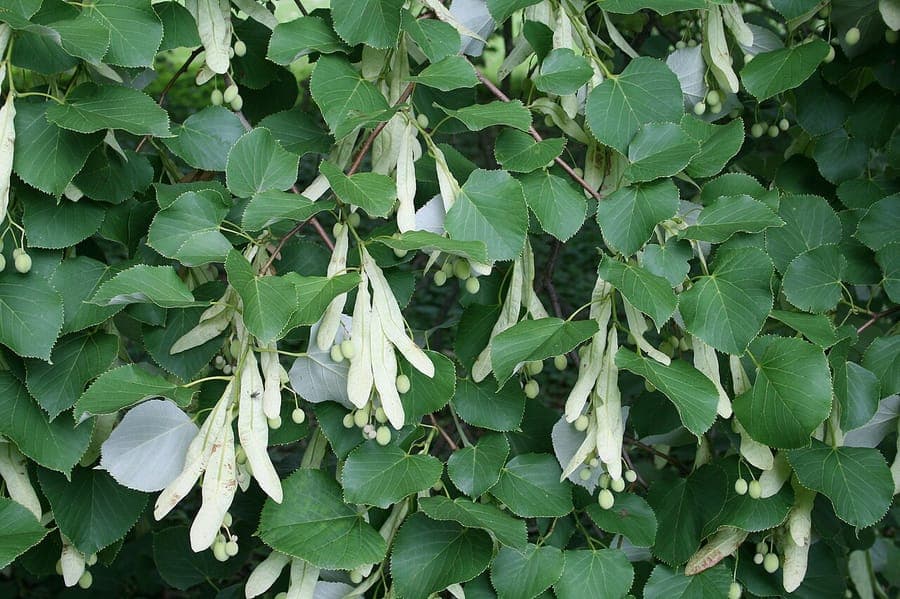
The leaves of tilia oliveri are oval to lanceolate, 5-10 centimeters long, with glossy upper surfaces. The undersides are less lustrous, slightly grey-green. Leaf margins are very finely serrated. The tree grows in a slender, gracefully weeping form - not rigidly upright but gently arching branches.
In spring (May-June), flowers emerge in pale citron-yellow and are powerfully fragrant. The scent attracts bees in profusion. Subsequent fruits are small, brown nuts in clusters of three.
Bark: grey-white or reddish-brown, smooth to slightly rough on mature trees. Branch structure: exceptionally elegant, with drooping twigs that create ballet-like movements in wind.
Ideal Location
Tilia oliveri thrives in full sun to part shade. At least 5-6 hours of direct sunlight daily is needed for optimal growth and flowering. Position the tree where it receives morning or afternoon sun.
This tree tolerates some wind exposure but prefers shelter from harsh northwesterly winds. A southeastern aspect is ideal. Position the tree leeward of existing structures or taller trees when possible.
On small front yards (less than 4 meters width), tilia oliveri is unsuitable. The tree requires minimum 3-4 meters of open space around for full branch development.
Soil Requirements
Tilia oliveri thrives in well-draining, moisture-retentive soil. pH 6.0 to 7.5 (neutral to slightly alkaline) is ideal. The tree accepts a broad range, from sandy-clay to loamy soils.
At planting time (autumn or early spring), work organic matter (compost, aged manure) 20-30 centimeters deep. This improves water uptake during drier years. Also add slow-release fertilizer (e.g., 10-10-10 NPK).
Known limitation: tilia oliveri dislikes compacted urban soils or contaminated ground. Plant in locations with reasonably good soil quality.
Free design
Want to see Tilia oliveri: complete guide in your garden? Make a free design now.
Watering
During the first two growing seasons (planting year plus following year), water regularly: 1-2 times weekly, more deeply during dry summer spells. During drought periods (longer than 2 weeks without rain), water more deeply and infrequently.
Once established (after 2-3 years), tilia oliveri tolerates normal rainfall and requires supplemental water only during extreme drought. In regions with average annual precipitation above 600 millimeters, additional watering is rarely needed.
Preference: consistently moist (not waterlogged) soil. Drip irrigation or soaker hoses are ideal for root zones.
Pruning
Tilia oliveri requires minimal pruning. In the first year, remove competing leader shoots and establish central trunk (if offered as multistemmed). Thereafter, prune only dead or damaged branches in early spring (March).
If you wish to maintain the weeping form more compactly, light pruning in June (after flowering) is acceptable, but this diminishes natural elegance. Avoid heavy pruning - this tree recovers slowly from major wounds.
Inner crown thinning: every 3-4 years, remove 10-15% of older branches from within the canopy for improved air circulation. This is optional but prevents dense crown formation.
Maintenance Calendar
March: cut dead branches; check for winter damage. Apply slow-release fertilizer (10-10-10 NPK) around crown drip line.
May-June: flowering period. Monitor for aphids and ant activity (they form symbiosis with aphids - combat early).
July-August: water regularly during dry spells. Check foliage health; remove diseased leaves.
September-October: reduce fertilization; prepare for winter dormancy.
November-February: no fertilization. Check for stem damage; carefully wrap damaged trunks.
Winter Hardiness
Tilia oliveri is winter-hardy to approximately -15 to -20 degrees Celsius, depending on cultivar. In the Netherlands and Belgium, extreme cold (below -25 degrees) can damage young trees.
Protection: in the first year, loosely wrap the trunk in burlap against snow damage and winter sun-scald. After year two, minimal protection is needed; the tree becomes increasingly robust.
Companion Plants
Pair tilia oliveri with:
- Sarcococca for fragrant winter underplanting
- Viburnum for structural elements below
- Geranium for groundcover interest
- Clematis (Magnolia variants) for climbing companions
- Mahonia for shade contrast underneath
Closing Thoughts
Tilia oliveri is an elegant, refined tree species for larger front yard designs. Its slender form, fragrant spring flowers, and graceful weeping twig structure make it a true focal point. This tree deserves greater recognition in contemporary garden design. Order now from specialized tree nurseries and create a classic shaded corner.
Want to integrate tilia oliveri into your front yard redesign? Use gardenworld.app and discover how this ornamental tree transforms your landscape.
Want to see Tilia oliveri: complete guide in your garden? Make a free design now.
Upload a photo, pick a style, and get a photorealistic design with plant list in under a minute.
No credit card required


Similar plants
Crimean linden: complete guide
Tilia × euchlora
Crimean linden is an elegant, fast-growing shade tree ideal for large gardens. Discover cultivars, spacing, maintenance tips and winter hardiness.
California flannelbush: complete guide
Fremontodendron californicum
Everything about California flannelbush (Fremontodendron californicum): sunny placement, drainage, pruning and care for this spectacular yellow-flowering shrub.
Hairy rose mallow: complete guide
Hibiscus moscheutos subsp. lasiocarpos
Full growing guide for hairy rose mallow (Hibiscus moscheutos subsp. lasiocarpos): location, soil, watering, winter hardiness and garden design tips.