
Wikimedia Commons / CC BY-SA 3.0, via Wikimedia Commons
Mother of thyme: complete guide
Thymus praecox
Want to see Mother of thyme: complete guide in your garden?
1 minute, no credit card
Overview
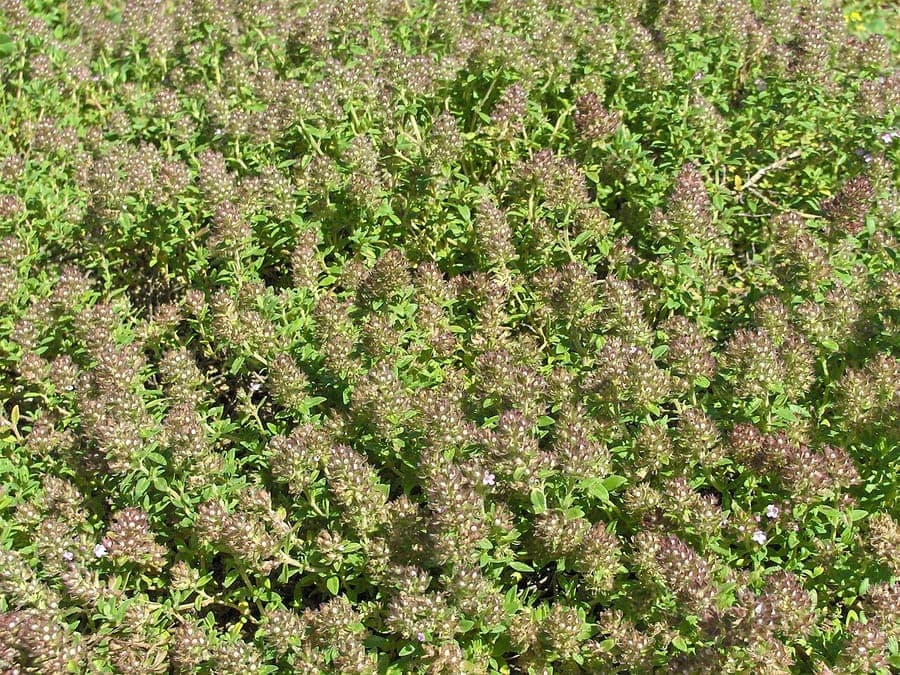
Mother of thyme, or Thymus praecox, isn't your average herb. While it shares a family with culinary thyme, this species is grown mostly for its looks and landscape function. Native to rocky slopes and dry grasslands across central and southern Europe, it thrives where other plants struggle-on poor soil, in full sun, and with little water. In the garden, it forms a creeping mat just 3–5 cm tall but spreading up to 30 cm wide, making it ideal for softening hard edges or filling gaps between stones.
As a subshrub, it develops woody stems at the base while keeping soft, herbaceous tips. The foliage is evergreen in mild climates and emits a faint, pleasant aroma when brushed against. Though not as strongly flavored as Thymus vulgaris, it can be used sparingly in cooking. But most gardeners value it for its resilience and seasonal beauty.
Appearance & bloom cycle
The leaves are small, linear, and dark green, densely packed along trailing stems. They're barely 1 cm long but give the plant a lush, velvety texture. From late June to early August, clusters of pale pink to lavender flowers rise just above the foliage. These aren't showy blooms, but in mass, they create a soft haze over the planting area, buzzing with bees and hoverflies.
Flowering lasts 4–6 weeks depending on conditions. After blooming, the spent flower stalks remain for weeks, adding subtle structure. In colder zones, the top growth may die back slightly in winter, but the plant reliably regrows from the base in spring. In milder areas, it stays fully evergreen.
Ideal location
Full sun is non-negotiable. Mother of thyme needs at least 6–8 hours of direct sunlight daily. In shade, it becomes leggy, sparse, and prone to fungal issues. It's perfect for rock gardens, dry retaining walls, or between pavers on a sunny patio. It tolerates heat and reflected light well, making it suitable for urban gardens or south-facing borders.
Avoid high-traffic areas-this isn't a walkable thyme like Thymus serpyllum. Use it as an ornamental edge or underplanting instead. On gardenworld.app, you can design a low-maintenance rock garden layout that integrates mother of thyme with stone placement and companion plants for year-round interest.
Soil requirements
This plant hates wet feet. It prefers lean, well-drained soil-think sandy, gravelly, or chalky mixes. A pH between 6.0 and 7.8 is ideal. Avoid rich compost or heavy clay unless amended with grit or perlite. For heavy soils, plant on a slight mound or raised bed to improve drainage.
In containers, use a mix of two parts potting soil to one part coarse sand or pumice. Don't add fertilizer-too much nitrogen leads to floppy growth and fewer flowers.
Free design
Want to see Mother of thyme: complete guide in your garden? Make a free design now.
Watering
Once established (after 4–6 weeks), mother of thyme needs minimal watering. It's drought-tolerant and can survive weeks without rain. During the first month after planting, water lightly every 2–3 days to help roots settle. After that, only water during prolonged dry spells, especially in USDA zones 5–6.
Overwatering is the fastest way to kill it. Let the soil dry out between waterings. Water in the morning so foliage dries by evening, reducing fungal risk.
Pruning
No hard pruning needed. But a light trim after blooming (late August) keeps the plant tidy and encourages denser growth. Use scissors or shears to cut back the soft tips by 1–2 cm. Avoid cutting into old wood, as it may not regrow.
If the center starts to die out after a few years, divide the plant in spring. Lift outer sections, discard the woody center, and replant the healthy parts 15 cm apart.
Maintenance calendar
- January–February: Dormant. Check for winter damage.
- March: Remove any dead stems. No feeding.
- April: Divide if needed. Watch for new shoots.
- May: Prepare for bloom. Keep soil dry.
- June–July: Peak flowering. Avoid overhead watering.
- August: Light trim after bloom. Remove seed heads.
- September–October: Standby. Let foliage protect crowns.
- November–December: Mulch lightly in colder zones (6 and below) with gravel, not organic matter.
Winter hardiness
Mother of thyme is hardy in USDA zones 4–9. It survives winter temperatures down to -30°C if the soil is well-drained. In zone 4, a light gravel mulch helps prevent frost heave. In wet winters, root rot is the main threat-especially in clay soils. Raised beds or sloped areas reduce risk.
Companion plants
Pair it with drought-loving perennials: sedum, catmint, lavender, or yarrow. It also works well with ornamental grasses like blue fescue or little bluestem. Avoid aggressive spreaders like mint or bishop's weed.
Use the companion planner on gardenworld.app to build a sun-loving planting scheme that balances texture, bloom time, and water needs.
Closing
Mother of thyme is a quiet performer-unfussy, beautiful, and beneficial to pollinators. It's a go-to for gardeners wanting a low, fragrant ground cover that asks for little and gives back in texture and bloom. Plant it in spring or early fall, and source healthy plugs from reputable garden centres. Whether you're designing a cottage path, a rockery, or a modern gravel garden, this thyme fits right in.
Want to see Mother of thyme: complete guide in your garden? Make a free design now.
Upload a photo, pick a style, and get a photorealistic design with plant list in under a minute.
No credit card required


Similar plants
Apple mint (Mentha x villosa): complete guide
Mentha x villosa
Meet apple mint (Mentha x villosa): a fruity-scented kitchen herb with woolly leaves, perfect for tea and mojitos.
Salvia peyronii: complete guide
Salvia peyronii
Discover Salvia peyronii, a rare Lebanese mountain sage. Growing tips, hardiness, and companion planting for a Mediterranean gravel garden.
Bigleaf mint (Mentha x rotundifolia): complete guide
Mentha x rotundifolia
Discover bigleaf mint: cultivation, care tips, and garden uses. Learn how to grow this aromatic herb with soft, hairy leaves.