
Hectonichus / CC BY-SA 3.0, via Wikimedia Commons
Elm-leaf spiraea: complete guide
Spiraea chamaedryfolia
Want to see Elm-leaf spiraea: complete guide in your garden?
1 minute, no credit card
Overview
Spiraea chamaedryfolia, commonly known as Elm-leaf spiraea, is a dependable deciduous shrub from the Rosaceae family, valued for its compact growth and consistent summer bloom. Native to regions like the Altay Mountains, Japan, and parts of Eastern Europe, this shrub thrives across a wide range of climates. It typically reaches a height of 1 to 1.5 meters with a spread of around 80 to 100 cm, forming a neat, upright mound that fits well in mixed borders or as a low hedge.
What makes this plant a favorite among gardeners is its resilience. It tolerates urban pollution, adapts to various soil types, and requires minimal care once established. Whether you're designing a cottage garden or a modern low-maintenance space, Elm-leaf spiraea holds its own. On gardenworld.app, you can visualise how this shrub fits into your garden layout, including spacing and seasonal color flow.
Appearance & bloom cycle
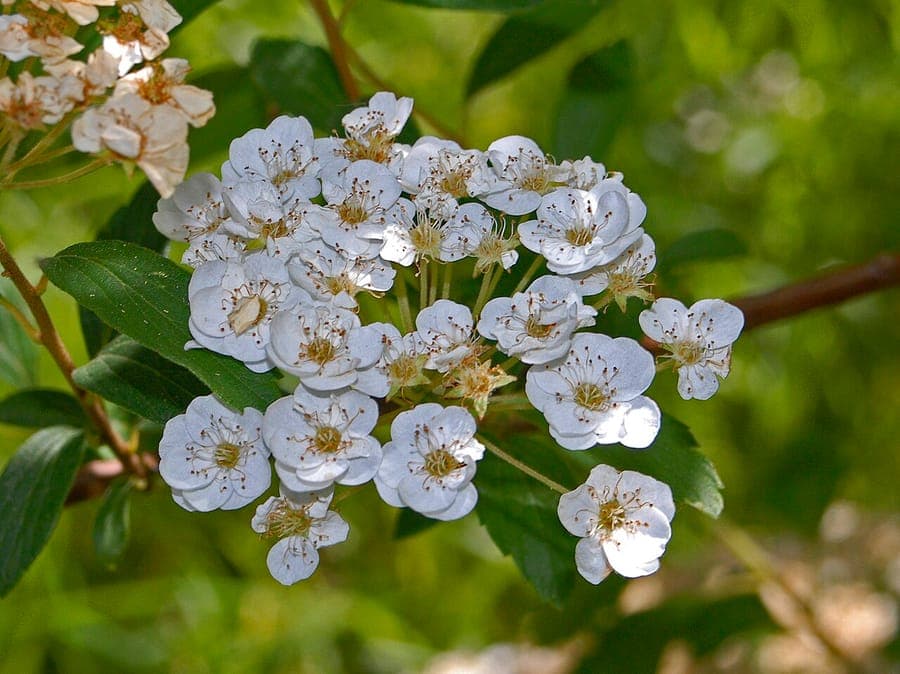
The name 'Elm-leaf' comes from the plant's leaves, which resemble those of the elm tree - ovate, sharply toothed, and 3 to 5 cm long. The upper surface is dark green, while the underside is paler and often slightly hairy along the midrib. In early summer, from June to July, the plant produces dense, plume-like clusters of tiny white to pale pink flowers. These bloom above the foliage, creating a soft, cloud-like effect that attracts pollinators like bees and hoverflies.
The flowering period lasts four to six weeks. After blooming, small dry capsules form, which persist into autumn and offer minor interest for seed-eating birds. In fall, the leaves turn a modest yellow-green - not a showy display, but still a welcome transition in a naturalistic planting scheme.
Ideal location
Elm-leaf spiraea performs best in full sun to light shade, scoring a 7 on the light scale (1–10). This means 5 to 6 hours of direct sunlight daily. In areas with intense afternoon sun, especially in southern regions, some dappled shade in the hottest part of the day helps prevent leaf scorch.
It's ideal for borders, foundation plantings, or grouped in naturalistic drifts. Avoid dense shade, as this leads to leggy growth and fewer flowers. If you're planning a mixed shrub border, use gardenworld.app to map out spacing and ensure each plant has room to reach its mature size without overcrowding.
Soil requirements
This shrub is adaptable but prefers well-drained soil with a pH between 6.5 and 7.0 - slightly acidic to neutral. It struggles in waterlogged clay, so amend heavy soils with grit or compost to improve drainage. Sandy soils work well, provided you mulch regularly to retain moisture.
Avoid highly alkaline conditions (pH above 7.2), as this can cause chlorosis - yellowing leaves due to iron deficiency. A spring mulch of well-rotted compost helps maintain soil structure and fertility.
Free design
Want to see Elm-leaf spiraea: complete guide in your garden? Make a free design now.
Watering
Young plants need consistent watering during their first growing season - about 10 to 15 liters per week during dry spells. Once established, Elm-leaf spiraea is drought tolerant, though it performs better with occasional deep watering in prolonged dry periods.
Water at the base to keep foliage dry and reduce the risk of powdery mildew. Use rainwater when possible, especially in areas with hard tap water, to prevent mineral buildup in the soil.
Pruning
Pruning is key to maintaining shape and encouraging flowering. Since this spiraea blooms on new wood, prune in late winter to early spring - February to March - before new growth begins. Cut back up to one-third of the oldest stems to ground level to promote rejuvenation.
Use sharp, clean secateurs to avoid damaging stems. Remove any dead, damaged, or crossing branches. Avoid hard pruning after flowering, as this removes next year's growth points and reduces bloom.
Maintenance calendar
- January: Inspect for winter damage. Avoid pruning in hard frost.
- February: Begin light pruning as temperatures rise.
- March: Main pruning window. Apply compost around the base.
- April: New shoots emerge. Light feeding with balanced fertiliser.
- May: Prepare for bloom. Water during dry spells.
- June–July: Peak flowering. Do not prune.
- August: Light shaping if needed, but avoid heavy cuts.
- September: Mulch with compost or leaf mould.
- October–November: Leaf drop. Check for pests and diseases.
- December: Final check. Protect young plants with mulch in cold areas.
Winter hardiness
Elm-leaf spiraea is hardy in USDA zones 4 to 8. In the UK and most of northern Europe, it survives winter without protection. Young plants may benefit from a light mulch of bark or straw in zone 4 or during particularly harsh winters.
Mature shrubs are highly resilient, but avoid planting in frost pockets or areas with poor air circulation, which can increase the risk of winter dieback.
Companion plants
Pair Elm-leaf spiraea with other sun-loving perennials and shrubs. Good companions include Nepeta, Salvia, and low-growing ornamental grasses like Deschampsia. It also works well with early-flowering shrubs such as Forsythia or Philadelphus, creating a succession of interest.
Avoid overly vigorous groundcovers like Lysimachia, which can smother new shoots. Instead, opt for restrained spreaders like Geranium macrorrhizum or low thymes.
Closing
Elm-leaf spiraea is a low-fuss shrub that brings reliable structure and seasonal interest to the garden. With its airy blooms, tidy habit, and adaptability, it's a solid choice for both novice and experienced gardeners. Purchase healthy plants from reputable garden centres, where you can check for strong stems and no signs of pests or disease.
Whether you're refreshing a border or starting a new bed, this spiraea earns its place. Use tools on gardenworld.app to plan your planting scheme and make the most of its growth pattern and bloom time.
Want to see Elm-leaf spiraea: complete guide in your garden? Make a free design now.
Upload a photo, pick a style, and get a photorealistic design with plant list in under a minute.
No credit card required


Similar plants
Siberian crab apple: complete guide
Malus x robusta
Complete guide to the Siberian crab apple (Malus x robusta): location, soil, pruning, winter hardiness and the best companion plants for your garden.
Chinese flowering crabapple (Malus x spectabilis): complete guide
Malus x spectabilis
Meet the Chinese flowering crabapple (Malus x spectabilis): a classic spring bloomer with carmine buds and pink blossom.
Potentilla crassinervia: complete guide
Potentilla crassinervia
Potentilla crassinervia, the Corsican cinquefoil, grows wild on Corsica and Sardinia's peaks. Discover how to grow this hardy alpine rock garden gem.