
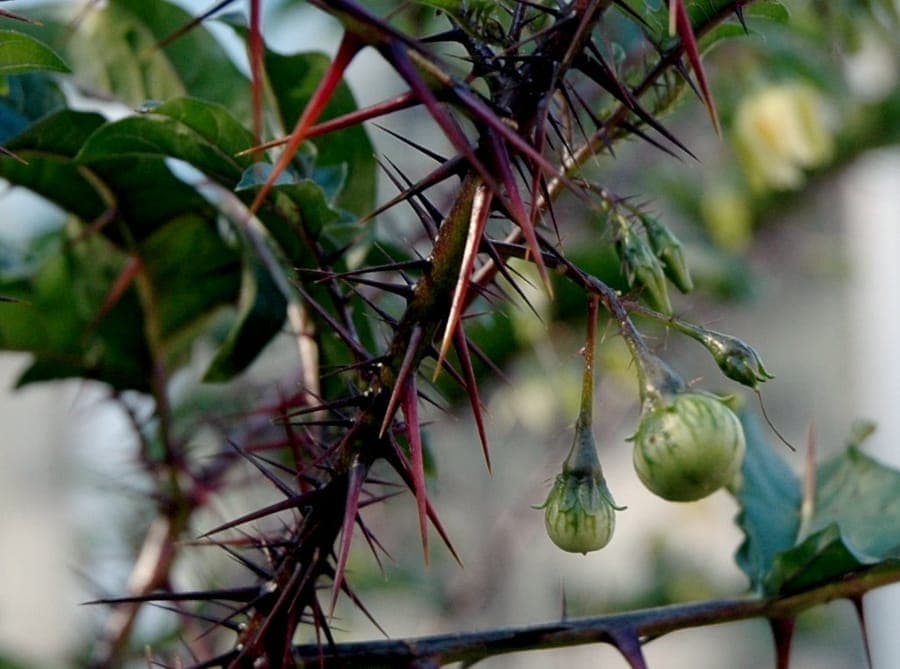
User:Carstor / CC BY-SA 3.0, via Wikimedia Commons
Solanum atropurpureum (blue potato bush): complete guide
Solanum atropurpureum
Want to see Solanum atropurpureum (blue potato bush): complete guide in your garden?
1 minute, no credit card
Solanum atropurpureum, commonly known as blue potato bush or dark purple nightshade, is a fascinating South American shrub native to tropical regions of Colombia, Brazil, and Paraguay. Belonging to the Solanaceae family (nightshade family, same as tomatoes and potatoes), this plant is celebrated for its dark purple to violet flowers and glossy, bird-attracting berries. With its dense, compact growth habit, extended bloom period, and highly decorative fruits, it is a showpiece plant for sunny borders, large containers, and subtropical gardens.
Overview
Solanum atropurpureum is a compact shrub (1.5 to 2.5 meters tall, sometimes taller in ideal conditions) blooming July to October in temperate climates, or continuously in warm regions. Flowers are small star-shaped blooms in dark violet to purple with yellow stamens. Each flower is followed by glossy red to orange-yellow berries the size of small cherries. This plant is not winter-hardy in temperate zones but grows as a long-season annual or moves to containers indoors. Foliage is dark green, deeply wrinkled, with purplish veining.
Appearance and Bloom
Leaves are characteristically dark green with purplish veining underneath, deeply wrinkled, and measure 8-15 centimeters long. Flowers appear in clusters of 3-7, star-shaped blooms in dark violet to purple (nearly black-purple), approximately 1.5-2 centimeters in diameter, with striking yellow stamens creating lovely contrast. Bloom is continuous throughout the growing season. Following bloom, glossy berries form, first green, then yellow-orange, finally bright red. These berries are toxic if consumed but highly decorative. Leaf veins and flower stems carry dark purple tinting.
Ideal Location
Solanum atropurpureum thrives in full sun (minimum 6-8 hours daily). This is essential for full flower expansion and compact growth. Partial shade significantly reduces flowering. Plant in sunny borders, against south-facing walls, in front of tall fences, or in large sunny containers. Protection from harsh wind gusts helps delicate flowers. In very hot climates (zone 9+), afternoon shade occasionally benefits plant stress management.
Soil Composition
Well-drained, humus-rich soils are ideal. This is a nutrient-hungry plant. Add compost or aged manure (30-40 percent) to garden soil. Neutral to slightly acidic pH (6.0-7.0) is suitable. In poor soils, apply slow-release fertilizer (bone meal, soil supplement) during growing season. In containers, use potting soil with added perlite for drainage. Annual top-dressing with compost aids nutrient retention.
Free design
Want to see Solanum atropurpureum (blue potato bush): complete guide in your garden? Make a free design now.
Watering
Solanum atropurpureum is moderately drought-tolerant but blooms best with regular watering. Water thoroughly 1-2 times weekly during growing season, depending on temperature and soil moisture. In very hot periods, daily misting can benefit flower health. Avoid waterlogging; drainage must be excellent. After first frost threat (October-November in temperate zones), reduce watering but do not cease until plant dies back. In containers, water when top 2-3 centimeters of soil feel dry.
Pruning
Pruning promotes bushier growth and increased flowering. Cut growing tips back 10-15 centimeters in June-July. Remove dead or damaged branches anytime. After first frost threat, cut plant back to 30-45 centimeters height (or accept partial leaf loss). In containers, prune severely in October for easier overwintering.
Maintenance Calendar
May-June: Planting period after last frost threat. June: First pruning round. July-October: Bloom period; regular watering and feeding with slow-release fertilizer every 4-6 weeks. October-November: Frost threat; reduce watering; prepare plant for dormancy. November-March: Plant overwintering (remove dead foliage); minimal watering.
Winter Hardiness
Solanum atropurpureum is not frost-hardy (USDA zones 10-11 permanently; 8-9 dies back to roots). In zone 7 and colder, treat as annual or grow in containers to bring indoors. Indoor conditions (50-65 Fahrenheit) help minimize winter damage and maintain plant for next season.
Companion Plants
Pair with other South American exotics and sunny bloomers: yellow Lantana, purple Verbascum, red Salvia, Heliotropium (heliotrope), and grey-leaved plants like Senecio. In containers, mix with Pelargonium, Fuchsia, or Dahlia for contrasting colors. Underplant with low-growing groundcover like grey Stachys or silver Helichrysum.
Closing
Solanum atropurpureum is an exotic, long-season bloomer for gardeners craving South American beauty in temperate gardens. Young plants are available from exotic plant nurseries (May-June). For zones colder than 8, grow in containers and move to warm, sunny indoor space in autumn. Visit gardenworld.app to integrate this dramatic nightshade into your ideal warm-weather garden landscape.
Want to see Solanum atropurpureum (blue potato bush): complete guide in your garden? Make a free design now.
Upload a photo, pick a style, and get a photorealistic design with plant list in under a minute.
No credit card required


Similar plants
Solanum dolichosepalum: complete guide
Solanum dolichosepalum
Discover Solanum dolichosepalum, an Andean nightshade with striking long sepals. Growing tips, hardiness, and companion planting for your patio.
Solanum ripense: complete guide
Solanum ripense
Discover Solanum ripense, a moisture-loving Andean nightshade for pond edges and conservatories. Growing tips, hardiness, and companions.
Solanum tomentosum: complete guide
Solanum tomentosum
Discover Solanum tomentosum, a thorny South African nightshade with felted leaves. Growing tips, hardiness, and companion planting ideas.