
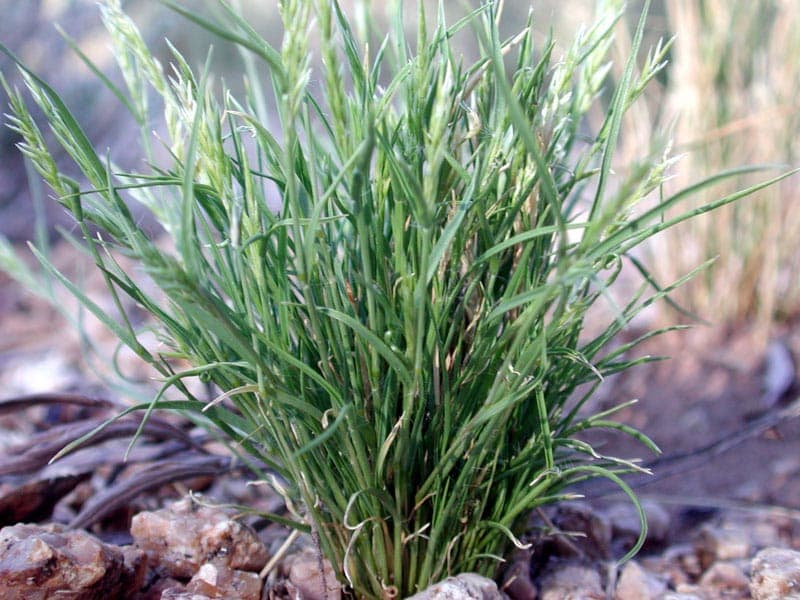
Pompilid / CC BY-SA 3.0, via Wikimedia Commons
Arabian Grass: complete guide
Schismus barbatus
Want to see Arabian Grass: complete guide in your garden?
1 minute, no credit card
Overview
Schismus barbatus, commonly known as Arabian grass or Mediterranean grass, is a fine-textured graminoid thriving in limestone-rich, arid environments. Flowering from March through June, this grass occurs naturally from the Mediterranean basin to Pakistan, where it colonizes harsh, exposed hillsides and rocky slopes. With exceptional drought tolerance and full-sun preference, it suits xeriscaped gardens and Mediterranean borders in USDA zones 8-10. In cooler regions, it can serve as a tender annual or container specimen. This elegant grass forms compact tufts that remain attractive for months with minimal maintenance. The plant is an absolute asset for anyone considering climate change and water-saving garden design seriously. Garden designers throughout Europe appreciate this grass for its refined texture and reliable performance in difficult, dry locations where few other plants thrive. Its restrained growth habit means it never becomes invasive or overwhelming in garden compositions.
Appearance and Bloom
Arabian grass reaches 20-30 centimeters in height, forming dense tufts of exceptionally fine, linear leaves in soft green to grey-green. The leaves are so delicate they appear almost grass-filament-like, giving the plant an ethereal, airy appearance. The most striking feature is the distinctive hairy inflorescence that emerges March through June, rising above the foliage in delicate, feathery spikes. The tiny green-yellow flowers are obscured by the characteristic hairy bracts, creating a shimmering, textured appearance that catches light beautifully in afternoon sun. These characteristic hairy plumes remain decorative for months and dry beautifully, providing value even after the growing season. In full sun, the flower spikes often acquire a soft brownish or reddish glow, enriching plant compositions significantly. The fine, hair-like nature of the inflorescences makes them appear almost ethereal, creating gentle movements in even slight breezes.
Ideal Location
Position Schismus barbatus in full sun, requiring at least eight hours of direct daily sunlight. This grass declines rapidly in partial shade and refuses to thrive in areas with afternoon shadow. The plant flourishes on well-drained hillsides and rocky outcrops in its native habitat. In gardens, situate it in rock gardens, gravel beds, xeriscapes, or Mediterranean borders where excellent drainage and bright exposure are assured. The grass can also be perfectly used in planting schemes with stones, gravel, or shells, where the contrast between fine texture and harder elements is visually striking. For rock gardens and alpine troughs, it offers distinction and elegance. The plant tolerates wind and exposure better than many companions, making it an ideal choice for windy coastlines and exposed mountain slopes. It never etiolates or becomes weak in exposed conditions.
Soil
Preferred soil is sandy to loamy, well-draining, and ideally limestone-based. Schismus barbatus tolerates poor, lean soils far better than rich, moisture-retentive ones. Optimal pH ranges from 7.5 to 8.0, though lightly alkaline conditions are also acceptable. If your garden has heavy clay, amend to a depth of 30 centimeters with coarse sand or gravel, creating a porous layer for drainage. Avoid incorporating organic matter for moisture retention; this grass thrives in sparse, austere conditions. The plant has a shallow root system, so ensure the top 15 centimeters drains exceptionally well. Many gardeners achieve success with pure gravel beds with basic soil underneath. Never attempt to enrich the soil with compost or manure; the plant actually performs worse in rich soils.
Free design
Want to see Arabian Grass: complete guide in your garden? Make a free design now.
Watering
After establishment (2-3 weeks), restrict water to moderate levels. During the growth phase (March-May), allow the top 5-10 centimeters of soil to dry between waterings. This especially applies to sandy soils; in loam, watering can be less frequent. From June onward, as bloom fades, drastically reduce irrigation. In Mediterranean climates, rainfall alone may suffice, especially in sandy soils with perfect drainage. In mixed borders where other plants receive regular water, isolate Schismus barbatus if possible with a gravel barrier. Excessive moisture invites root rot and weak, floppy growth patterns. Never make the mistake of treating this grass as an ordinary turf species requiring regular irrigation.
Pruning and Shaping
Schismus barbatus requires minimal intervention. Remove dead or damaged leaves before the growing season begins (March). After flowering (June-July), spent flower stems may be clipped for tidiness, though many gardeners retain the dry plumes for winter seed heads, insect habitat, and winter silhouette value. No formal shaping required; the plant naturally maintains a compact form. If the plant appears somewhat disheveled after several years, you can gently clean it by combing out dead parts by hand, a pleasant afternoon task.
Maintenance Calendar
March: Growing season begins. Remove dead foliage with gloved hand. Apply moderate water. Check drainage. April-May: Bloom period. No fertilizer needed; minimal watering suffices. Enjoy the delicate plumes. June: Bloom fades. Optionally remove spent stems. Reduce irrigation sharply. July-August: Complete dormancy. Water only during prolonged drought (no rain beyond two weeks). September-October: Prepare for winter. No maintenance needed. Observe silhouette against autumn light. November-February: Winter dormancy. Monitor for waterlogging; ensure drainage in wet regions.
Winter Hardiness
Hardy in USDA zones 8-10 (minimum -12 to 0 degrees Celsius). In well-drained soils, it survives European Zone 8 winters if protected from sustained heavy rainfall. In colder zones (7 and below), grow as a tender annual. Mulch lightly with gravel or sharp sand in early winter to improve drainage and prevent basal rot during dormancy. In zone 8 experiencing abnormally wet winters, gravel mulching may be critical for survival.
Companion Plants
Pair Schismus barbatus with fellow drought-tolerant species for cohesive xeriscaping: Cistus (rock roses) with full sun and well-drained soil; Helichrysum (immortelle) with silvery foliage creating striking contrast; Lavandula (lavender) with matching water needs and aromatic appeal; Euphorbia (spurge) with yellow-green tones; Santolina (cotton lavender) with silvery mounding form. Avoid vigorous perennials and moisture-demanding groundcovers completely.
Closing
Schismus barbatus delivers rare, refined grass character to the xeriscaped landscape. With minimal maintenance and water demand, paired with the distinctive hairy flower spikes, it represents an underutilized secret for drought-resilient Mediterranean gardens. GardenWorld designers can confidently specify this grass for dry-climate gardens, particularly in southern and central European regions. For a robust, low-maintenance xerigarden, Schismus barbatus is your answer.
Want to see Arabian Grass: complete guide in your garden? Make a free design now.
Upload a photo, pick a style, and get a photorealistic design with plant list in under a minute.
No credit card required


Similar plants
Sporobolus pungens: complete guide
Sporobolus pungens
Sporobolus pungens is a stoloniferous Mediterranean coastal grass with outstanding salt and drought tolerance, perfect for seaside and dry gardens.
Mediterranean aegilops: complete guide
Aegilops biuncialis
Everything about Aegilops biuncialis, a Mediterranean annual grass with ornamental spikes and outstanding drought tolerance for dry gardens.
Silver bluestem: complete guide
Bothriochloa saccharoides
Full guide to Bothriochloa saccharoides (silver bluestem): site, soil, watering, winter hardiness, pruning, and garden companions.