
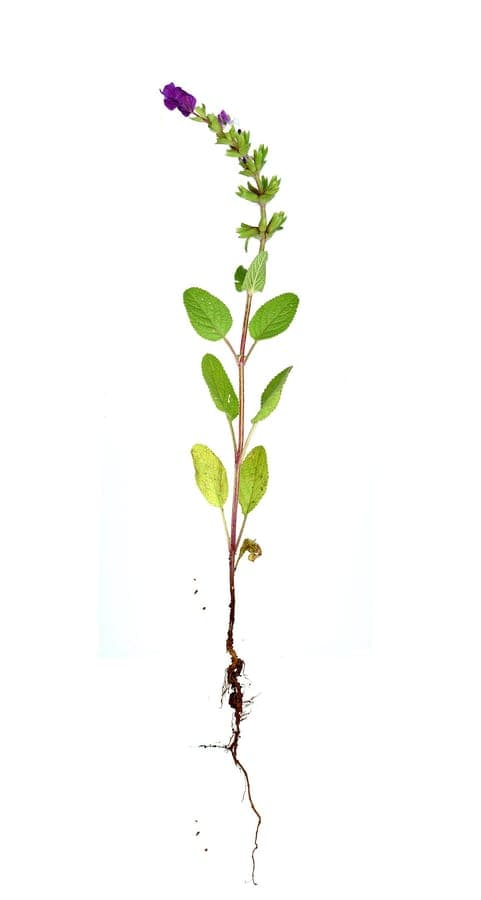
Osnat Ravid Amir / CC BY-SA 4.0, via Wikimedia Commons
Wild clary: complete guide
Salvia viridis
Want to see Wild clary: complete guide in your garden?
1 minute, no credit card
Overview
Salvia viridis, commonly known as wild clary, is a striking annual or short-lived biennial that brings bold color to sunny gardens. Native to the Mediterranean - including regions like Greece, Albania, and Cyprus - it thrives in hot, dry conditions and is a natural fit for xeriscaping and cottage-style borders. While it's often grown as an annual in temperate zones, it can behave as a biennial in milder climates, self-seeding lightly if conditions allow.
On gardenworld.app, you can design a garden layout that highlights Salvia viridis in drought-prone areas, pairing it with complementary textures and colors for maximum visual impact.
Appearance & bloom cycle
This salvia typically reaches 30–60 cm in height, forming upright, branched stems with narrow, hairy, lance-shaped leaves. The real show begins in late spring to early summer - May through June - when clusters of bracts emerge in vivid shades of blue and purple. The actual flowers are small and pale, almost hidden, but the bracts are the star, starting green and maturing to deep violet-blue over several weeks.
The bracts remain decorative long after flowering, making this plant excellent for both fresh and dried arrangements. The foliage emits a mild, herbal scent when brushed or crushed - typical of Lamiaceae family members.
Ideal location
Full sun is non-negotiable. Salvia viridis needs at least 6–8 hours of direct sunlight daily. In partial shade, it becomes leggy, flops over, and produces fewer bracts. It's best suited to open, hot spots - south-facing borders, rock gardens, or gravel beds where moisture evaporates quickly.
It's a favorite among gardeners looking to add structure and color to low-water gardens. Consider it for cottage borders, Mediterranean plantings, or as a mid-height accent in mixed perennial beds.
Soil requirements
Well-drained soil is essential. Sandy, gritty, or loamy soils work well; heavy clay soils should be amended with grit or composted bark to improve drainage. A pH range of 6.0–7.5 is ideal, but the plant is adaptable as long as water doesn't pool.
Avoid rich, heavily fertilized soils - too much nitrogen leads to lush foliage but weak stems and reduced flowering. This plant prefers lean conditions, mimicking its native rocky habitats.
Watering
Once established, Salvia viridis is highly drought tolerant. Water regularly only during the first few weeks after sowing or transplanting. After that, it survives on rainfall in most UK and US climates (USDA zones 7–10). In prolonged dry spells, a deep watering every 10–14 days is sufficient.
Overhead watering should be avoided to prevent fungal issues. Use soaker hoses or water at base level, especially in humid regions.
Free design
Want to see Wild clary: complete guide in your garden? Make a free design now.
Pruning
Pruning is minimal. Pinch back young plants at around 15 cm tall to encourage bushier growth and more branching. This results in a fuller plant with more flowering stems.
After blooming, cut back flower spikes to maintain tidiness or leave them for seed collection. If you want to prevent self-seeding, remove all spent spikes before seeds form. For dried flower use, harvest spikes when bracts are fully colored but before they become papery.
Maintenance calendar
- March–April: Sow seeds indoors or in a greenhouse. Use seed trays with well-draining compost. Keep moist but not wet.
- May: Harden off and transplant outdoors after frost risk has passed. Space plants 25–30 cm apart.
- June–July: Peak bloom. Monitor for drought stress, but avoid overwatering.
- August: Deadhead spent blooms. Leave a few to collect seeds for next year.
- September–October: Clear dead foliage. Allow light self-seeding if desired, or remove plants entirely.
On gardenworld.app, create a personalized care calendar with reminders for sowing, transplanting, and pruning based on your local climate and hardiness zone.
Winter hardiness
Salvia viridis is not reliably hardy in colder zones. In USDA zones 7 and below, it's typically grown as an annual. In zones 8–10, it may survive mild winters as a biennial, especially if protected with mulch. Self-seeding can occur in sheltered spots, but germination rates vary.
For overwintering, sow in late summer and keep in an unheated greenhouse for spring planting.
Companion plants
Pair with other drought-tolerant perennials like Echinacea, Nepeta, Sedum 'Autumn Joy', and Lavender. These share similar sun and soil needs and create a harmonious, naturalistic look. Use low, silvery foliage plants like Artemisia or Stachys byzantina to contrast the bold bract colors.
Avoid moisture-loving plants such as Astilbe or Hosta, which require consistent dampness and can promote fungal issues in shared beds.
Closing
Salvia viridis is a low-maintenance standout for sunny borders, offering long-lasting color and architectural interest. Its vibrant bracts and adaptability to poor soils make it a smart choice for sustainable gardens. Whether grown as an annual splash of color or encouraged to self-seed in warmer zones, it adds effortless charm. Pick up seeds from local garden centres or trusted retailers, and use gardenworld.app to visualize how it fits into your garden design.
Want to see Wild clary: complete guide in your garden? Make a free design now.
Upload a photo, pick a style, and get a photorealistic design with plant list in under a minute.
No credit card required


Similar plants
Apple mint (Mentha x villosa): complete guide
Mentha x villosa
Meet apple mint (Mentha x villosa): a fruity-scented kitchen herb with woolly leaves, perfect for tea and mojitos.
Salvia peyronii: complete guide
Salvia peyronii
Discover Salvia peyronii, a rare Lebanese mountain sage. Growing tips, hardiness, and companion planting for a Mediterranean gravel garden.
Bigleaf mint (Mentha x rotundifolia): complete guide
Mentha x rotundifolia
Discover bigleaf mint: cultivation, care tips, and garden uses. Learn how to grow this aromatic herb with soft, hairy leaves.