
Wikimedia Commons / Public domain, via Wikimedia Commons
Garden currant: complete guide
Ribes rubrum
Want to see Garden currant: complete guide in your garden?
1 minute, no credit card
Overview
The garden currant, or Ribes rubrum, is a dependable shrub that's found a permanent place in many British and European gardens. Native to countries like France, Germany, and the Netherlands, this deciduous plant from the Grossulariaceae family thrives in temperate zones and produces some of the earliest edible berries of the season. As a hardy, open-structured shrub reaching 1 to 1.5 meters in height, it blends well into both ornamental borders and productive edibles.
Garden currants are prized not just for their fruit but also for their tidy growth habit and early flowering. They bloom in March to April, producing small green flowers that set clusters of tart, juicy red currants by June. If you're planning a productive garden layout, consider using gardenworld.app to design a space that maximizes light and airflow around your currant bushes.
Appearance & bloom cycle
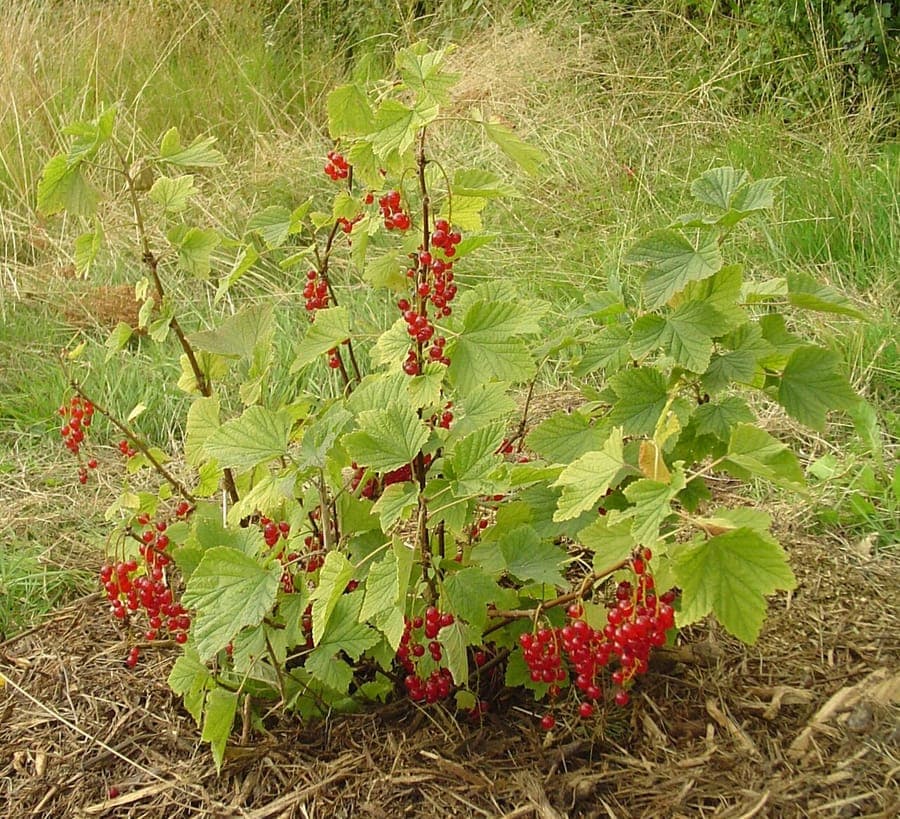
The garden currant grows upright with slender, woody stems and deeply lobed, maple-like leaves. Each leaf is about 5–8 cm wide and turns a bright yellow in autumn. In early spring, clusters of 5 to 10 small green flowers hang from the previous year's wood. These flowers lack showy petals but are packed with nectar, attracting early pollinators like bumblebees.
Fruit develops quickly after flowering. Berries form in neat, drooping clusters of 10 to 20 and ripen from green to deep red in late June. Harvest when fully colored and slightly soft. Avoid pulling the whole cluster unless you're making jelly-individual berries snap off cleanly with a pinch.
Ideal location
With a light rating of 4 out of 10, garden currants prefer partial shade. Full sun in hot regions can scorch fruit, while deep shade limits yield. An east-facing spot with morning sun and afternoon shade is ideal. Avoid planting near large trees that steal moisture and nutrients.
Allow 1.5 meters between plants for airflow and ease of harvest. If you're tight on space, consider a vertical grow system or single-stemmed training. For help visualizing placement, gardenworld.app offers garden design tools that factor in mature size and light mapping.
Soil requirements
Garden currants thrive in moist, well-drained soil with a pH between 6.5 and 7. They don't tolerate waterlogged ground-add grit or compost to heavy clay. For sandy soils, mix in organic matter like leaf mold or composted manure to improve moisture retention.
Before planting, dig in a bucket of well-rotted manure or compost. Avoid fresh manure-it can burn roots. A light mulch of bark or straw in spring helps suppress weeds and maintain moisture. Avoid lime-heavy mulches unless your soil is too acidic.
Free design
Want to see Garden currant: complete guide in your garden? Make a free design now.
Watering
Water consistently, especially in the first two years. Provide 10 liters per plant weekly during dry spells in spring and early summer. Once established, garden currants are fairly drought-tolerant but produce better yields with even moisture.
Use rainwater when possible-these plants dislike high calcium. Water at the base to keep foliage dry and reduce the risk of powdery mildew. Drip irrigation works well for rows, but hand watering is fine for small plantings.
Pruning
Prune in late winter, from November to February. Remove any dead, damaged, or crowded wood. Focus on cutting back stems older than three years-these produce fewer fruits. Keep 5 to 7 strong, young stems per plant and cut the rest to ground level.
A well-pruned currant has an open center, allowing light and air to penetrate. This reduces disease and encourages larger fruit. Use sharp, clean secateurs and disinfect between cuts if disease is present.
Maintenance calendar
- January: Light pruning, check for scale insects
- February: Prepare compost for spring application
- March: Inspect for aphids, protect buds from late frost
- April: Begin regular watering, apply compost mulch
- May: Monitor for birds, net if needed
- June: Harvest main crop, inspect for mildew
- July: Remove any diseased wood promptly
- August: Reduce watering unless drought persists
- September: Final inspection for pests
- October: Clear fallen leaves, reduce watering
- November: Prune hard, plant new bushes
- December: Check for rodent damage, apply winter mulch
Winter hardiness
Garden currants are winter-hardy in USDA zones 3 to 8. In the UK and most of Europe, they survive without protection. Temperatures down to -35°C are tolerated, but late spring frosts can damage blossoms.
Young plants benefit from a layer of straw or bracken around the base. In exposed gardens, consider windbreaks or fleece covers during extreme cold snaps. Mature plants recover well, but fruit set may be reduced.
Companion plants
Plant garlic or chives nearby to deter aphids. Tansy and lavender repel pests and attract pollinators. Avoid planting near invasive ground covers or heavy feeders like potatoes.
Good companions include raspberries, rhubarb, and alpine strawberries. These share similar soil needs and form a productive polyculture. Consider a mixed border with ornamental grasses for texture.
Closing
The garden currant is a low-maintenance, high-reward shrub that belongs in every edible garden. With proper care, it can produce fruit for 15 to 20 years. Buy young plants from garden centres in spring or fall-look for healthy, disease-free stock at retailers like garden centres across the UK.
For a cohesive garden plan, think beyond single plants. A well-designed layout considers spacing, light, and seasonal changes. Use gardenworld.app to experiment with combinations and create a garden that's both beautiful and bountiful year after year.
Want to see Garden currant: complete guide in your garden? Make a free design now.
Upload a photo, pick a style, and get a photorealistic design with plant list in under a minute.
No credit card required


Similar plants
Canadian gooseberry: complete guide
Ribes oxyacanthoides
Discover the Canadian gooseberry, an extremely hardy North American fruit shrub with bristly stems and tart berries for jams and orchards.
Ribes bracteosum: complete guide to this Pacific Northwest shrub
Ribes bracteosum
Grow stink currant, a hardy Pacific Northwest shrub with deep-lobed foliage, fragrant blooms, and dark berries attractive to birds.
Ribes acerifolium: complete guide
Ribes acerifolium
Discover Mapleleaf currant - a stunning native shrub with maple-like leaves and interesting berries. Ideal for natural gardens.