
Wikimedia Commons / CC BY-SA 3.0, via Wikimedia Commons
Plum: complete guide
Prunus salicina
Want to see Plum: complete guide in your garden?
1 minute, no credit card
Overview
Prunus salicina, commonly known as the Japanese plum, is a hardy fruit tree native to China and parts of Southeast Asia, now widely cultivated across temperate gardens. In the UK and North America, it thrives in USDA zones 6 to 9, making it a reliable choice for backyard growers. Unlike European plums, Japanese plums bloom earlier, produce larger fruits, and are generally juicier with a bold sweet-tart flavor. Trees reach 15–20 ft (4.5–6 m) in height with a rounded canopy, spreading 12–15 ft (3.5–4.5 m) wide. They're self-fertile in some cultivars, but planting a second compatible variety nearby boosts yields.
On gardenworld.app, you can design a fruit-friendly layout that accounts for spacing, sunlight, and pollination partners for your plum tree.
Appearance & bloom cycle
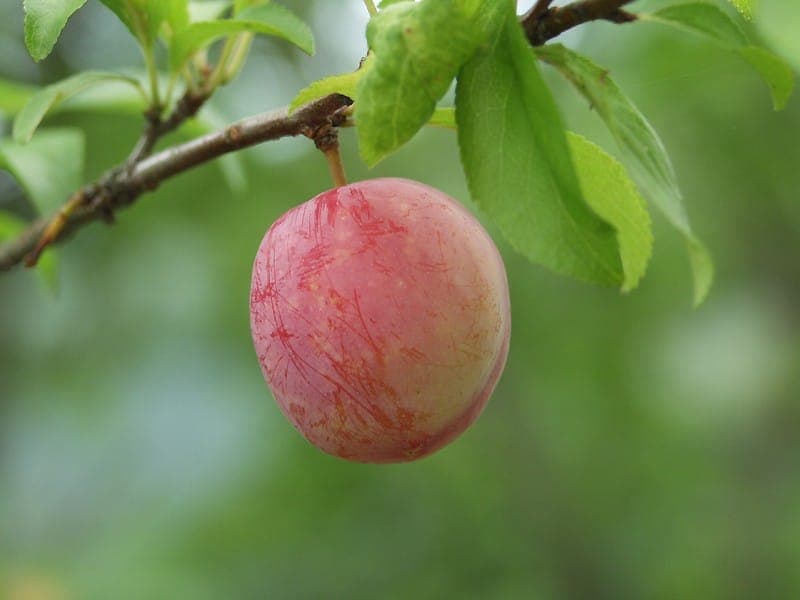
This tree puts on a stunning floral show in early spring, usually March to April, depending on climate. Clusters of fragrant white to pale pink blossoms emerge before the leaves, covering bare branches in a soft cloud of color. The foliage follows-oval, glossy green leaves up to 5 inches long, turning golden in autumn. Fruits develop quickly after pollination and ripen from late July through September. Depending on the cultivar, plums range from deep purple to crimson or golden-yellow, with a firm skin and juicy flesh. The fruit size typically measures 2–3 inches (5–7.5 cm) in diameter.
Ideal location
Choose a spot with full sun-minimum 6–8 hours of direct light daily. A south- or southwest-facing position works best, especially in cooler zones. Avoid frost pockets; early blooms are vulnerable to late spring frosts, which can kill blossoms. Provide at least 10 ft (3 m) of clearance from other trees or structures to allow airflow and root spread. In smaller gardens, train the tree as an espalier against a warm wall. Avoid shaded areas-plums grown in shade produce fewer fruits and are more prone to fungal issues.
Soil requirements
Well-drained, loamy soil with a pH between 6.0 and 6.8 is ideal. Heavy clay can be improved with compost and gypsum to enhance drainage. Sandy soils benefit from generous organic matter-rotted manure or leaf mold-added at planting. Dig a hole twice as wide and just as deep as the root ball. Amend backfill with compost, and avoid burying the graft union (the knobby area near the base). Poor drainage leads to root rot, a common killer of young plum trees.
Free design
Want to see Plum: complete guide in your garden? Make a free design now.
Watering
Water deeply and consistently during the first two growing seasons. Aim for 15–20 gallons (65–75 liters) per week during dry spells. Once established, the tree is moderately drought-tolerant but benefits from regular watering during fruit swell (June–July). Mulch the base with wood chips or straw, keeping it 4 inches from the trunk to prevent rot. Avoid frequent shallow watering-this encourages weak root development.
Pruning
Prune in summer (July–August) to reduce the risk of silver leaf disease and bacterial canker. Remove dead, damaged, or crossing branches. Open the center to light and airflow by thinning crowded areas. Maintain 4–6 main scaffold branches. Avoid heavy winter pruning, which can stimulate vegetative growth at the expense of fruiting. Use sharp, clean tools and disinfect between trees with rubbing alcohol.
Maintenance calendar
- Jan: Inspect for canker, prune only if necessary
- Feb: Apply dormant oil if pests were an issue last year
- Mar: Watch for bloom, protect from frost with horticultural fleece
- Apr: Feed with balanced fruit tree fertilizer, monitor for aphids
- May: Thin young fruit if overcrowded (4–6 inches apart)
- Jun: Increase watering during fruit development
- Jul: Summer prune, harvest early varieties
- Aug: Harvest main crop, check for brown rot
- Sep: Reduce watering, clean up fallen fruit
- Oct: Rake leaves, apply compost around base
- Nov: Protect young trunks from rodents with tree guards
- Dec: Final inspection, plan next year's pruning
Winter hardiness
Hardy in USDA zones 6–9 (-23°C to -1°C). Mature trees tolerate cold well, but late frosts can damage blossoms. Young trees benefit from mulch and trunk wraps. In zone 6, consider planting near a building for microclimate warmth. Avoid wet winter soils-plums hate soggy roots.
Companion plants
Good companions include garlic, chives, and shallots-they deter aphids and borers. Herbs like thyme and oregano attract beneficial insects. Avoid planting aggressive feeders like pumpkins or tall grasses near the drip line. Comfrey can be grown nearby as a dynamic accumulator, adding nutrients when cut and dropped as mulch.
Closing
The Japanese plum is a rewarding addition to any edible garden. With proper care, it yields abundant, flavorful fruit and adds seasonal beauty. Focus on summer pruning, well-drained soil, and frost protection for blossoms. Buy bare-root or container-grown trees from reputable garden centres in late winter or early spring. Popular cultivars include 'Methley', 'Santa Rosa', and 'Elephant Heart'. For layout ideas and spacing tips, check gardenworld.app-where you can visualise your dream orchard in minutes.
Want to see Plum: complete guide in your garden? Make a free design now.
Upload a photo, pick a style, and get a photorealistic design with plant list in under a minute.
No credit card required


Similar plants
Siberian crab apple: complete guide
Malus x robusta
Complete guide to the Siberian crab apple (Malus x robusta): location, soil, pruning, winter hardiness and the best companion plants for your garden.
Chinese flowering crabapple (Malus x spectabilis): complete guide
Malus x spectabilis
Meet the Chinese flowering crabapple (Malus x spectabilis): a classic spring bloomer with carmine buds and pink blossom.
Potentilla crassinervia: complete guide
Potentilla crassinervia
Potentilla crassinervia, the Corsican cinquefoil, grows wild on Corsica and Sardinia's peaks. Discover how to grow this hardy alpine rock garden gem.