
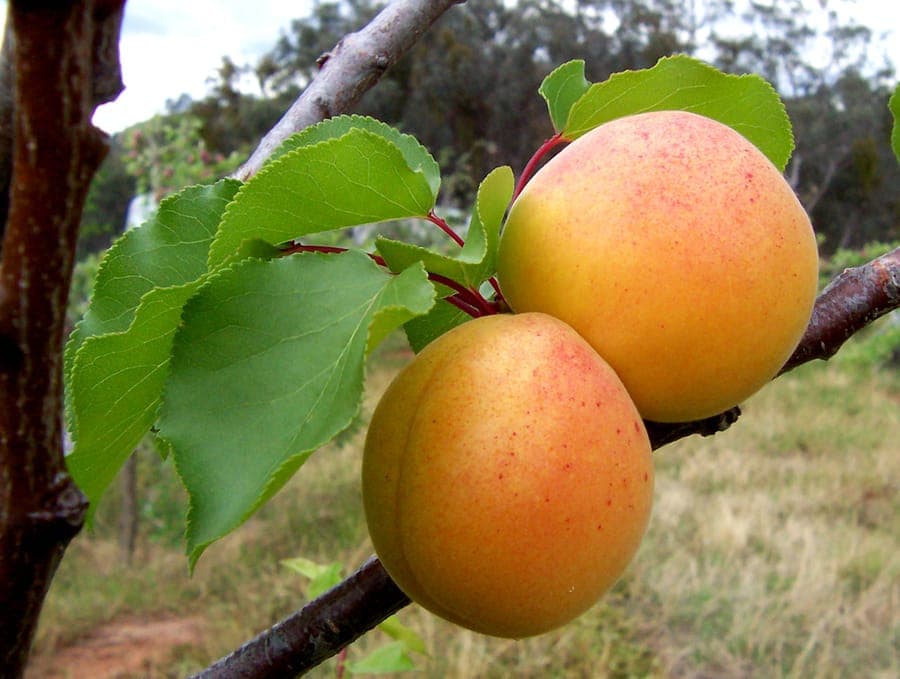
Fir0002 / CC BY-SA 3.0, via Wikimedia Commons
Siberian apricot: complete guide
Prunus armeniaca
Want to see Siberian apricot: complete guide in your garden?
1 minute, no credit card
Overview
Prunus armeniaca, commonly known as the Siberian apricot, is a deciduous tree native to Central Asia, with origins in regions like Xinjiang, Kazakhstan, and parts of northern China. Despite its name, it's not exclusively Siberian, but it does handle cold better than most apricot varieties. Hardy to USDA zone 5 (-25°C), this tree reaches 4–6 m in height and spreads 4–5 m wide. It's a favorite among gardeners who want early spring interest and homegrown fruit, though success in cooler climates like the UK or northern Europe requires careful siting and frost protection.
On gardenworld.app, you can design a sun-mapped garden layout that ensures your apricot tree gets maximum exposure and shelter from cold winds.
Appearance & bloom cycle
The Siberian apricot blooms in late winter to early spring - typically February through April, depending on location. The flowers emerge before the leaves, starting as pink buds that open into soft white blossoms, often with a hint of pink. Each flower is 2–3 cm across and appears in clusters along the previous year's wood. After flowering, oval, finely toothed leaves unfurl in light green, maturing to a darker green by midsummer.
Fruit development begins in May, with small green apricots swelling through June and July. Ripening occurs in late July to August, depending on cultivar and summer warmth. Not all Prunus armeniaca cultivars are self-fertile; check before planting if you want reliable fruit set. Some benefit from a pollination partner like another apricot or even a compatible plum.
Ideal location
This tree thrives in full sun - aim for a light score of 8/10 or higher. A south- or southwest-facing wall is ideal, especially in temperate zones. The masonry absorbs heat during the day and radiates it at night, protecting early blooms from frost. Avoid frost pockets or low-lying areas where cold air settles.
Wind exposure is another concern. Young trees can be damaged by strong gusts, so plant near a fence or use temporary windbreaks. In urban gardens, courtyards or sheltered patios work well. On gardenworld.app, use the microclimate planner to pinpoint the warmest, sunniest spot in your garden for optimal growth.
Soil requirements
Siberian apricot prefers well-drained, loamy to sandy loam soils with a neutral to slightly alkaline pH of 7.0–7.5. It struggles in acidic or waterlogged soils. If your soil is heavy clay, amend it with coarse sand and compost to improve drainage. Raised beds are another option in poorly drained gardens.
Avoid compacted soil - roots need oxygen. Test pH annually; if below 6.8, apply garden lime sparingly in autumn. Over-liming can lock up nutrients like iron and manganese, leading to chlorosis.
Free design
Want to see Siberian apricot: complete guide in your garden? Make a free design now.
Watering
Young trees need consistent moisture for the first two years. Water deeply once or twice a week, providing 10–15 liters per session. Use a tree ring or mulch to retain moisture and prevent evaporation. After establishment, the tree is drought-tolerant due to its deep root system.
However, during fruit development (June–July), consistent watering is crucial. Irregular moisture can cause fruit drop or splitting. In dry spells lasting more than two weeks, water deeply every 7–10 days. Avoid overhead watering to reduce fungal disease risks.
Pruning
Prune in summer (July–August) to avoid silver leaf disease and canker, which infect fresh cuts in winter. Remove dead, crossing, or inward-growing branches. Maintain an open center (vase shape) with 3–5 main scaffold branches spaced evenly around the trunk.
For young trees, train during the first three years. Select strong laterals at 70–90 cm height. Remove water sprouts and suckers as they appear. Avoid heavy winter pruning - it stimulates excessive growth that may not harden before winter.
Maintenance calendar
- Jan: Inspect for canker or bark damage; avoid pruning
- Feb: Protect blossoms from frost with horticultural fleece
- Mar: Continue frost protection; monitor for aphids
- Apr: Begin light feeding with balanced organic fertilizer
- Mei: Watch for pests; thin fruit if overcrowded
- Jun: Water during dry periods; support fruiting branches if needed
- Jul: Summer pruning allowed; harvest early varieties
- Aug: Harvest main crop; prune lightly if needed
- Sep: Apply compost or well-rotted manure
- Oct: Rake up fallen leaves if disease is present
- Nov: Check for rodent damage; protect trunk with guards
- Dec: Review tree structure for next season's pruning
Winter hardiness
The Siberian apricot is cold-hardy to -25°C (USDA 5), but flower buds are vulnerable to temperatures below -2°C during bloom. This is the main challenge in temperate zones. Use fleece or temporary covers during cold snaps. A wall-trained tree benefits from radiant heat and reduced wind chill.
Companion plants
Underplant with shallow-rooted, non-competitive species like chives, thyme, or alliums. These deter pests and suppress weeds without competing for water. Avoid grass or invasive groundcovers. Good companions at a distance include apple trees, pears, or ornamental grasses that don't shade the apricot.
Closing
The Siberian apricot is a resilient, ornamental, and productive tree when given the right conditions. It rewards patience with fragrant spring blooms and sweet summer fruit. While it demands attention in its early years, mature trees are low-maintenance and long-lived. Choose a warm, sunny, sheltered spot, prune in summer, and protect early flowers from frost.
Available at garden centres across the UK and Europe. For tailored planting advice and garden design, visit gardenworld.app - where your perfect apricot-friendly garden starts with a click.
Want to see Siberian apricot: complete guide in your garden? Make a free design now.
Upload a photo, pick a style, and get a photorealistic design with plant list in under a minute.
No credit card required


Similar plants
Siberian crab apple: complete guide
Malus x robusta
Complete guide to the Siberian crab apple (Malus x robusta): location, soil, pruning, winter hardiness and the best companion plants for your garden.
Chinese flowering crabapple (Malus x spectabilis): complete guide
Malus x spectabilis
Meet the Chinese flowering crabapple (Malus x spectabilis): a classic spring bloomer with carmine buds and pink blossom.
Potentilla crassinervia: complete guide
Potentilla crassinervia
Potentilla crassinervia, the Corsican cinquefoil, grows wild on Corsica and Sardinia's peaks. Discover how to grow this hardy alpine rock garden gem.