
Wikimedia Commons / CC BY-SA 3.0, via Wikimedia Commons
Oxlip: complete guide
Primula elatior
Want to see Oxlip: complete guide in your garden?
1 minute, no credit card
Overview
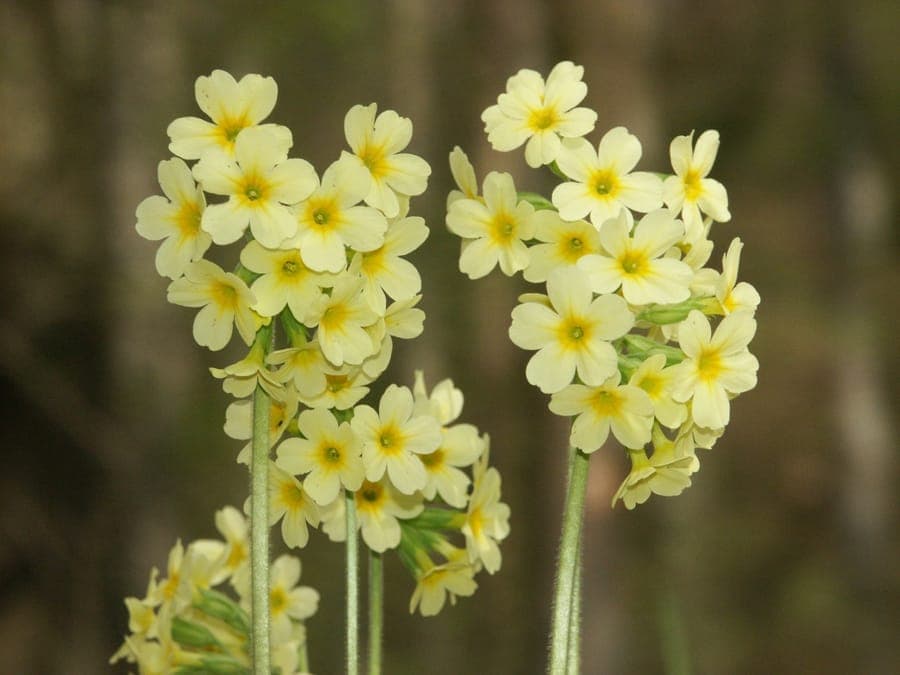
Primula elatior, commonly known as Oxlip, is a clump-forming perennial native to damp woodlands and forest margins across central and eastern Europe. Unlike the common Cowslip (Primula veris), which has drooping yellow flowers in one-sided clusters, Oxlip stands taller with upright, pale yellow blooms that appear from March to April. It reaches 20–30 cm in height and thrives in cool, moist conditions where many other spring plants struggle.
This species is often found in the wild in countries like Austria, Belarus, and the Czech Republic, favouring calcareous soils and open beech or oak woodlands. In gardens, it brings a natural, cottage-style charm to shaded borders and underplanting schemes. It's a reliable choice for gardeners looking to support early pollinators and add subtle colour before the main spring show.
At gardenworld.app, you can design a woodland planting plan that features Oxlip alongside other shade-tolerant spring bloomers, ensuring your garden looks vibrant from early March onward.
Appearance & bloom cycle
Oxlip forms a low rosette of oblong, slightly toothed leaves that emerge in late winter. The foliage is deep green and remains attractive through spring. Flower stems rise above the foliage, bearing loose, one-sided umbels of 6–12 pale yellow flowers. Each flower has a small orange or greenish eye at the centre, adding depth to the bloom.
Flowering begins in mid-March in mild areas and can last through April, depending on local conditions. The upright inflorescence distinguishes it from the nodding flowers of Cowslip. After blooming, the leaves gradually yellow and die back by early summer as the plant enters dormancy.
Ideal location
Oxlip prefers partial shade - a light level of 5 on a 1–10 scale. Ideal spots include beneath deciduous trees with light canopies (like birch or hornbeam), along woodland edges, or in shaded parts of a cottage garden. Avoid full sun, especially in the afternoon, as it dries out the soil too quickly and may scorch the leaves.
Plant in groups of at least 6–10 for visual impact. Space them 15–20 cm apart. Oxlip performs best in naturalistic plantings where it can slowly spread via seed. It also works well under shrubs or in damp corners of the garden that stay moist but not waterlogged.
You can use gardenworld.app to map out where Oxlip fits best in your garden layout, especially when planning for seasonal interest and plant compatibility.
Soil requirements
This primula likes fertile, moisture-retentive soil with a pH between 7.0 and 7.5 - neutral to slightly alkaline. It does poorly in acidic soils (below pH 6.5), which can cause leaf yellowing and stunted growth. Heavy clay soils are acceptable as long as they don't become waterlogged in winter.
Improve the soil by mixing in well-rotted leaf mould or compost before planting. Avoid peat-based mixes; they dry out too fast and lack the necessary nutrients. A top dressing of compost in autumn helps maintain soil structure and fertility.
Free design
Want to see Oxlip: complete guide in your garden? Make a free design now.
Watering
Keep the soil consistently moist during active growth (February to May). Water weekly during dry spells in early spring. Once flowering ends and foliage starts to die back, reduce watering. In summer dormancy, Oxl游戏副本ip needs little to no irrigation unless there's an extended drought.
Never let the plant sit in stagnant water - poor drainage leads to root rot. Rainwater is preferable, as tap water can be too alkaline or contain chlorine, which sensitive primulas dislike.
Pruning
No pruning is needed. After flowering, you can deadhead spent blooms if you want to limit self-seeding, but this isn't essential. Allow the leaves to die back naturally, as they photosynthesise and feed the rootstock for next year's growth.
If clumps become overcrowded or bloom poorly after several years, divide them in late summer (August–September). Carefully separate the rhizomes and replant at the same depth in enriched soil.
Maintenance calendar
- February: Check for emerging shoots. Protect from hard frosts with a light mulch if necessary.
- March–April: Peak flowering. Water during dry periods.
- May: Remove faded flower stems. Apply a light dressing of organic fertiliser.
- June–July: Dormancy period. No watering or disturbance needed.
- August–September: Ideal time for division and transplanting.
- October–January: Leave undisturbed. Self-seeded seedlings may appear in spring.
Winter hardiness
Oxlip is hardy in USDA zones 5–8 (-20°C to -12°C). It survives most UK and northern European winters without protection. In areas with severe, prolonged frosts, a thin layer of leaf litter or straw can help insulate the crown, but this is rarely necessary.
Ensure good winter drainage - wet, frozen soil is the main threat. Avoid planting in low-lying areas that collect water.
Companion plants
Pair Oxlip with other spring-ephemerals that enjoy similar conditions. Good companions include Helleborus, Erythronium, and Anemone nemorosa. Later-emerging plants like Hosta or ferns can cover the dying foliage as Oxlip retreats.
Avoid invasive groundcovers or aggressive spreaders that might smother it. Also, steer clear of heavy mulches that block seed germination if you want naturalisation.
Closing
Primula elatior is a graceful, low-maintenance addition to any shady garden. It's perfect for naturalising in grassy areas or under trees, and its cheerful yellow flowers lift the spirits after a long winter.
You can find Oxlip at garden centres in early spring, especially those specialising in native or woodland plants. Look for healthy specimens with firm foliage and no signs of mould or rot.
Using gardenworld.app, you can experiment with planting density and companion ideas to create a cohesive, seasonal display that includes Oxlip as a key early player.
Want to see Oxlip: complete guide in your garden? Make a free design now.
Upload a photo, pick a style, and get a photorealistic design with plant list in under a minute.
No credit card required


Similar plants
Primula incana: complete guide to silvery alpine primrose
Primula incana
Silvery primrose (Primula incana), a delicate alpine flower with white blooms and powdered grey-green leaves. Growing, care, and cultivation guide.
Mealy cowslip: complete guide
Primula pulverulenta
Grow the Mealy cowslip (Primula pulverulenta): striking candelabra flowers in red and purple tones, moisture-loving and ideal for shady, damp garden corners.
Cliff dwarf-primrose: complete guide
Androsace laevigata
Full guide to growing Androsace laevigata, a rare Pacific Northwest alpine cushion plant. Planting, care, and garden design tips explained.