
Potentilla uniflora: complete guide for this arctic alpine plant
Potentilla uniflora
Want to see Potentilla uniflora: complete guide for this arctic alpine plant in your garden?
1 minute, no credit card
Overview
Potentilla uniflora, commonly known as oneflower cinquefoil, is a remarkable alpine plant native to the extreme northern regions of Siberia and Alaska. This low-growing groundcover belongs to the Rose family (Rosaceae) and presents an excellent choice for gardeners seeking unique, cold-hardy plant material that thrives in challenging conditions.
In its natural habitat, the plant endures severe winters, extreme weather, and nutrient-poor soils. These survival traits make Potentilla uniflora perfect for alpine gardens, green roofs, containers, and rock gardens where standard perennials struggle.
Appearance and Bloom
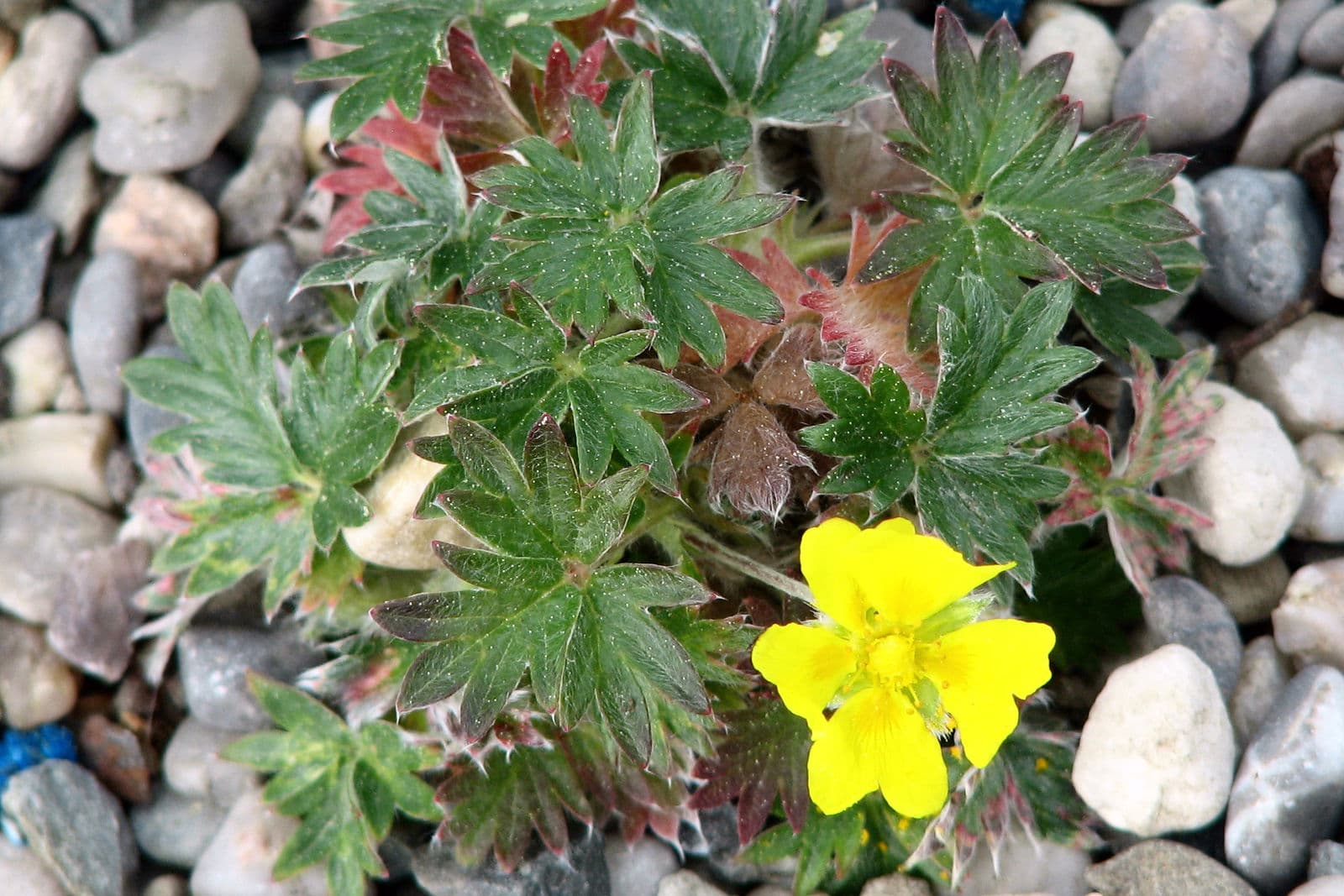
Potentilla uniflora is a diminutive herbaceous plant, typically growing only a few centimeters in height. The foliage consists of finely divided, feathery leaves that create a delicate texture quite different from many of its relatives.
The flowers are the star attraction of this arctic gem. The botanical name "uniflora" refers to the plant's characteristic habit of producing single blooms, rather than branching flower clusters. These modest flowers are bright yellow with five petals, displaying the classic Potentilla form. The blooms appear throughout the summer months when arctic daylight is most abundant.
After flowering, the plant develops small seed capsules that slowly mature. The entire plant remains compact and tidy throughout the growing season without becoming rangy or unkempt.
Ideal Location
Potentilla uniflora performs best in full sun to light partial shade. In temperate climates, choose a location that receives at least six to eight hours of direct sunlight daily.
Because of its arctic origin, the plant prefers cool growing conditions. In warm summer regions, afternoon shade may be beneficial to prevent heat stress. The plant's excellent wind tolerance is another major advantage - unlike delicate groundcovers that suffer from wind damage, Potentilla uniflora positively thrives in exposed, windy locations.
This plant excels in alpine gardens, rock gardens, green roofs, containers, and specialized planting schemes. In ground plantings, use it in small clusters as a textural accent rather than as a continuous carpet.
Soil
Potentilla uniflora has modest soil requirements. The plant prefers well-drained, nutrient-poor soils and is highly tolerant of rocky, sandy, and lean conditions. This preference reflects its natural habitat where nutrients are scarce and excellent drainage is critical for survival.
Ideal soil is sandy or rocky with a pH between 5.5 and 7.5. Heavy clay, compacted soil, and waterlogged conditions must be avoided. For container cultivation, use a mix of approximately 50% sand and 50% standard potting soil.
Organic matter should be used sparingly. A mulch layer of fine gravel or pea shingle around the plant prevents moisture accumulation at the crown, which is the plant's most vulnerable point.
Watering
Once established, Potentilla uniflora is remarkably drought-tolerant. Regular watering is necessary only during the initial weeks after planting, until the root system develops fully.
After establishment, supplemental watering is rarely needed, even during typical summer dry spells in temperate climates. Excess moisture can be harmful, particularly during wet winters. Container-grown plants need water more frequently than in-ground specimens, but should dry between waterings.
Check soil moisture before watering. If the top two inches feel dry, water thoroughly. If moisture remains, wait several days before checking again.
Pruning
Potentilla uniflora requires minimal pruning. The plant naturally grows compact and rarely produces long, straggly shoots that need correction.
If you want to encourage denser, more robust growth, lightly shear the plant after flowering by removing a few millimeters from the top. This stimulates branching and redirects energy. Remove any dead or damaged stems immediately whenever you notice them.
The plant's low-growing nature means it will never require the heavy pruning that larger shrubs demand. A light touch is all that is needed.
Free design
Want to see Potentilla uniflora: complete guide for this arctic alpine plant in your garden? Make a free design now.
Maintenance Calendar
Spring (April-May): Check for winter damage. Add fine gravel mulch if needed. Begin light feeding as growth resumes.
Summer (June-August): Monitor moisture levels and water sparingly. Remove spent flowers for neatness. Watch for pests and diseases.
Autumn (September-October): Reduce watering as growth slows. Add protective gravel layer against winter moisture.
Winter (November-March): In temperate climates, protect primarily through drainage management. In very wet winters, a layer of loose leaves provides good protection.
Winter Hardiness
Potentilla uniflora is exceptionally hardy, surviving temperatures well below -20 degrees Celsius. In its arctic homeland, winter temperatures regularly plunge far lower. This plant will survive the harshest winters throughout the UK, Northern Europe, and similar regions without any protection whatsoever.
The real threat is not cold, but wet conditions combined with freeze-thaw cycles. Ensure excellent drainage and avoid planting in areas where water accumulates or stagnates. Good drainage is your most important investment in the plant's long-term health.
Companion Plants
Potentilla uniflora pairs well with other alpine and arctic species. Consider:
- Other Potentilla species for coordinated coverage
- Dianthus species (alpine pinks) for color and textural contrast
- Armeria maritima (sea thrift) for interesting foliage texture
- Saxifraga species (saxifrage) for variation in leaf quality
- Small conifers like Juniperus communis compressa for vertical accent
These combinations work beautifully in alpine gardens, rock gardens, and specialized planting schemes.
Propagation
Potentilla uniflora is best propagated from seed or by division, since cuttings prove less reliable for this extremely slow-growing species. Collect seed in August-September once the small seed capsules turn brown, and sow immediately in a mix of 50% grit and 50% seed compost. Like most Arctic Potentilla species, the seed needs a cold period: eight to ten weeks outdoors at near-freezing temperatures, before bringing trays indoors in March for germination at 15-18°C (59-64°F).
Division suits plants at least three to four years old. Lift the clump carefully in May, divide into small sections 3 to 4 inches (8 to 10 cm) across with at least one growth point each, and replant immediately 6 inches (15 cm) apart. Water regularly for the first few weeks until new growth appears.
For a full step-by-step walkthrough of sowing, stratifying, and dividing Arctic groundcovers, visit gardenworld.app, which includes a season planner tailored to your climate zone.
Cultivars and Related Varieties
Potentilla uniflora is almost never offered as a named cultivar; nurseries nearly always sell the true wild species, collected from Arctic populations. Gardeners wanting more choice in flower color within the same genus can look to the shrubby Potentilla fruticosa, widely available in cultivars such as 'Goldfinger' (yellow), 'Abbotswood' (white), and 'Red Ace' (orange-red). These cultivars are easier to maintain in ordinary garden soil but lack the authentic Arctic character of Potentilla uniflora.
For a complete overview of suitable companion plants and region-specific advice, consult gardenworld.app, where garden experts help you assemble a complete Arctic or alpine planting plan.
Closing Thoughts
Potentilla uniflora is a remarkable plant offering winter hardiness, drought tolerance, minimal maintenance, and delicate yellow blooms. For gardeners seeking unique groundcovers for difficult locations and alpine gardens, this arctic beauty is certainly worth exploring.
Find seeds and young plants through specialized alpine plant suppliers. Start with small specimens and ensure perfect drainage from the outset. This small investment in understanding the plant's needs will reward you with years of trouble-free enjoyment.
Want to see Potentilla uniflora: complete guide for this arctic alpine plant in your garden? Make a free design now.
Upload a photo, pick a style, and get a photorealistic design with plant list in under a minute.
10,000+ gardens designed already
No credit card required


Similar plants
Siberian crab apple: complete guide
Malus x robusta
Complete guide to the Siberian crab apple (Malus x robusta): location, soil, pruning, winter hardiness and the best companion plants for your garden.
Chinese flowering crabapple (Malus x spectabilis): complete guide
Malus x spectabilis
Meet the Chinese flowering crabapple (Malus x spectabilis): a classic spring bloomer with carmine buds and pink blossom.
Potentilla crassinervia: complete guide
Potentilla crassinervia
Potentilla crassinervia, the Corsican cinquefoil, grows wild on Corsica and Sardinia's peaks. Discover how to grow this hardy alpine rock garden gem.